
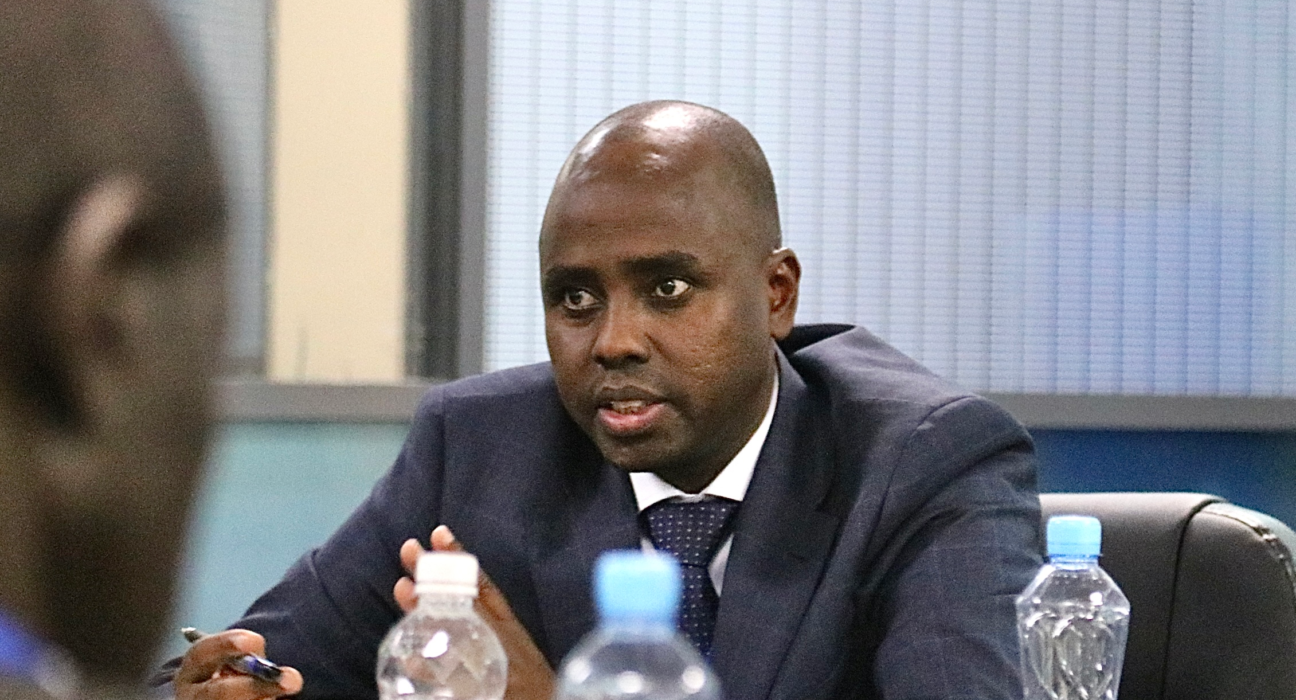
The recent visa denial to Kenya Airports Authority (KAA) CEO Dr. Mohamud M. Gedi by the United States government has sent shockwaves through Kenya’s aviation sector and beyond.
The decision, made under Section 221(g) of the Immigration and Nationality Act, raises serious questions about integrity, security, and corruption within KAA. The denial comes at a time when the aviation body is already facing growing criticism over alleged fraudulent activities and poor management at the country’s main airports.
According to official communication, Dr. Gedi was set to attend a high-level aviation security meeting with the U.S.
Transportation Security Administration (TSA), but his visa application was rejected over what has been described as “administrative processing.”
Behind this technical explanation, however, are deeper suspicions of corruption, links to narcotics trafficking, and even terrorism-related concerns.
These allegations, have triggered intense scrutiny of how Kenya’s top aviation officials are vetted and monitored.
Sources familiar with the matter say the denial may have been influenced by U.S. intelligence concerns related to Dr. Gedi’s alleged connections to questionable procurement deals and suspicious financial activities tied to airport projects.
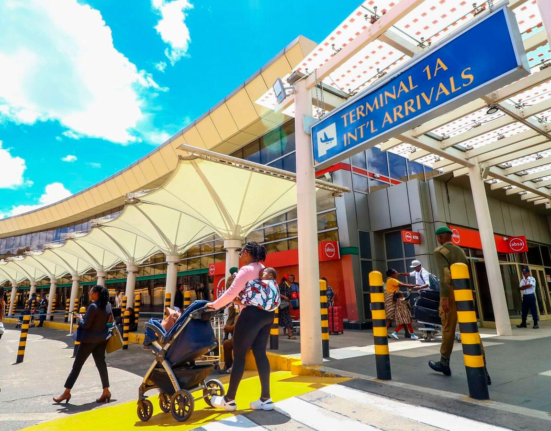
The timing of the visa denial could not be worse for the KAA. It comes as international law enforcement continues to investigate a recent drug trafficking case where 20 kilograms of cocaine originating from Jomo Kenyatta International Airport were seized at Heathrow Airport in London.
The incident placed Kenya’s largest airport under global spotlight, exposing the weaknesses in its security systems and management oversight.
The fact that the U.S. took this drastic measure against one of Kenya’s highest-ranking aviation executives suggests that there may be serious red flags within the country’s airport operations.
For years, there have been claims that top officials at KAA have used their offices to channel public funds into fake development projects at both JKIA and Wilson Airport.
Critics have accused Dr. Gedi of presiding over a system that rewards insider deals, inflates tenders, and manipulates contracts under the guise of modernization programs.
A letter from TSA Attaché for East and South Africa, Mr. Edwin Falcon Jr., confirmed that although Dr. Gedi’s visa application was fully documented, it could not be approved due to the need for further administrative review.
This is often a diplomatic way of signaling unresolved concerns about the applicant’s background or associations.
The decision has embarrassed Kenya’s transport ministry, which had counted on Gedi’s presence in Montreal during the 41st ICAO Assembly to defend the country’s aviation reputation and push for new security partnerships.
Instead, the meeting went on without him, leaving Kenya’s delegation exposed to questions about its internal leadership and accountability.
While no formal charges have been filed against Dr. Gedi, the pattern of events suggests growing international distrust in Kenya’s handling of aviation-related corruption and narcotics issues.
U.S. authorities have reportedly heightened scrutiny of strategic sectors in Africa, with special attention to individuals suspected of compromising public institutions through graft or criminal collaboration.
The allegations tied to Gedi fall squarely within this framework.
His leadership at KAA, once hailed for modernization efforts, now faces a credibility crisis that could have long-term consequences for Kenya’s standing in global aviation circles.
Despite assurances from TSA officials that the absence of Dr. Gedi would not affect ongoing security discussions, the diplomatic and reputational damage has already been done.
Kenya’s aviation sector is now under a microscope, and the controversy surrounding Gedi’s visa denial underscores the urgent need for transparency and accountability in the management of public institutions.
The silence from both the Ministry of Transport and KAA only fuels public suspicion that there is more to this story than officials are willing to admit.