
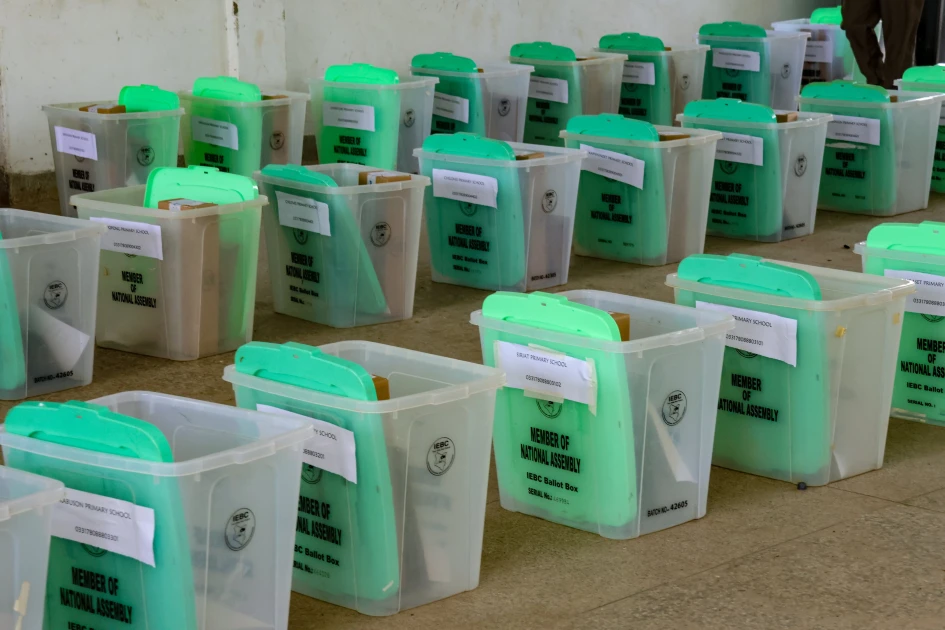
Kenya is preparing to spend about Sh57 billion on the 2027 General Election, a figure that has drawn attention because of the amount involved.
The planned spending works out to roughly Sh1,500 for every registered voter, more than double the global average of about Sh645 per voter.
Elections are expensive processes that require money for ballot papers, polling stations, security, transport, technology and staff.
The Independent Electoral and Boundaries Commission (IEBC) also needs resources to prepare voters and organise the exercise across the country.
However, the size of the proposed budget has raised questions about whether Kenya can deliver a credible election while using public funds more efficiently.
Sh57 billion is a significant amount for a country facing other pressing needs. Health facilities require funding, schools need better infrastructure and many communities continue to struggle with roads, water and other basic services.
While election spending is necessary, citizens are likely to ask whether every part of the budget is essential and whether some costs can be reduced without affecting the quality of the election.
Technology could be one area where savings are considered. Kenya already has widespread experience with digital services, including mobile money platforms such as M-Pesa.
This has led to suggestions that technology could make some parts of the electoral process cheaper and more efficient, particularly voter registration and administrative work.
However, introducing technology into elections requires caution. Any system used to support voting must be properly tested and protected against failures, hacking and interference. Saving money should not come at the expense of public confidence in the election. Voters need to be certain that their information is safe and that their choices cannot be manipulated.
The global comparison also offers an opportunity to examine Kenya’s spending. The difference between Sh1,500 per voter and the global average of Sh645 is substantial. Kenya has unique challenges, including large distances, security requirements and the complexity of running elections across different regions. These factors can make the process more expensive than in other countries.
Still, the gap deserves closer examination.
The Treasury and IEBC will have to justify the various costs and determine where efficiencies can be made.
The bigger question is not whether Kenya should spend money on elections, but whether the country is getting value for every shilling. A credible and peaceful election is essential, but it should also be organised responsibly, transparently and at a cost the country can afford.



Leave feedback about this