
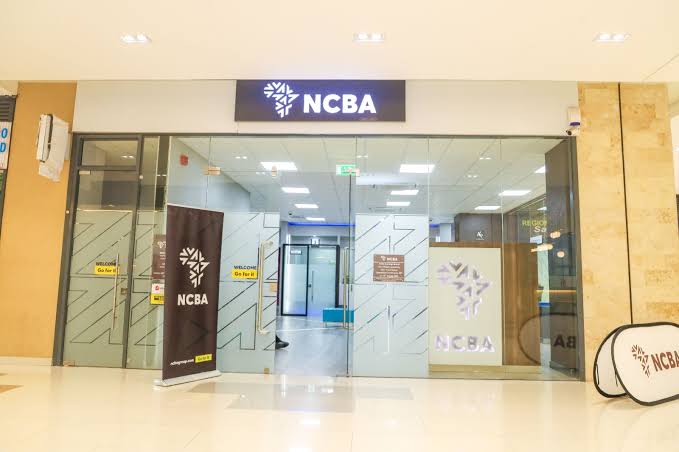
NCBA Bank is facing growing public scrutiny over how it handles customer complaints involving unauthorized transactions and card security.
The concerns have gained attention online, with customers and public figures sharing experiences that have raised wider questions about the safety of money held in digital bank accounts.
The debate has largely been driven by complaints from account holders who say money was taken from their accounts through online or card transactions that they did not authorize.
Some customers maintain that they did not share their card details, passwords or other sensitive information before the transactions occurred. They have therefore questioned how such payments were approved and what happens when they report suspicious activity to the bank.
For affected customers, the issue goes beyond the loss of money. Many want clear answers about how the transactions happened and whether enough was done to protect their accounts. Some have also expressed frustration with the length of time taken to investigate their complaints.
In some cases, customers say they are later informed that the disputed transactions passed security checks, including One-Time Password (OTP) verification.
This has added to the frustration of clients who insist they did not personally approve the transactions.
The situation has sparked questions about how banks investigate fraud complaints and how customers are supported when they dispute payments.
Public attention around the issue has also been boosted by comments from well-known personalities, including Denis Ombachi.
His experience and public criticism have helped draw more attention to concerns that many ordinary customers may also be facing when dealing with digital banking problems.
Social media has increasingly become an important avenue for customers seeking answers. People can now share their experiences publicly, compare similar cases and put pressure on institutions to respond.
While online discussions do not always provide the full picture, they have made it harder for customer complaints to remain private when affected clients feel their concerns have not been adequately addressed.
The growing debate comes at a time when more Kenyans rely on mobile banking, cards and online payments for everyday transactions. With more money moving through digital platforms, customers expect banks to have strong systems that can detect suspicious activity and protect their funds.
For NCBA and other financial institutions, handling such complaints carefully is important. Customers need timely communication, proper investigations and clear explanations when transactions are disputed.
Where a customer believes their money has been taken without authorization, the process of seeking answers should not leave them feeling ignored.
Leave feedback about this