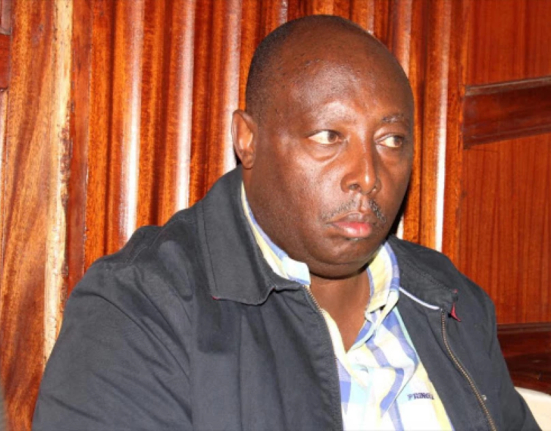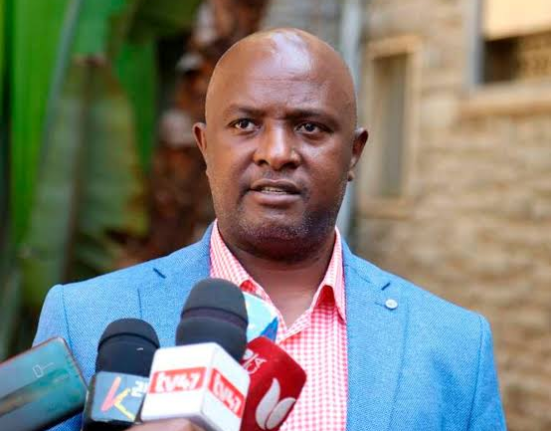


The story around Albert Ojwang’s death has raised many questions among Kenyans. Willis Otieno, a lawyer and political figure, recently spoke out about it. He pointed to statements made by Muchiri Nyaga, who serves as the spokesperson for the Kenya Police.
According to Otieno, Nyaga told the public that Ojwang died after repeatedly hitting his head against a cell wall.
This happened while Ojwang was in custody.
Otieno said he will not forget that day. He believes the explanation given to the country did not hold up once more evidence came out.
Many people have been talking about this case because it touches on how the police handle people in their care and how they share information with the public. For ordinary Kenyans, cases like this bring up bigger worries about trust in the system. When someone dies while under police watch, families and citizens want clear answers, not stories that change later.
Muchiri Nyaga has the job of speaking for the police on important matters. His role means he often stands in front of cameras to explain what happened in different incidents.
In this case, the initial report suggested Ojwang caused his own injuries by banging his head on the wall. But Otieno noted that later details have made that account look weak.
He asked who decided on that story and why it was shared as if it was complete fact.
Questions like these matter because the public relies on official statements to understand events.
Otieno pointed out that a police spokesperson should aim to give truthful information. The job is not to push early ideas that might not be fully checked. This view comes from someone who has been active in legal and political discussions in Kenya.
As the deputy president designate for the Safina Party and running mate to Jimi Wanjigi, Otieno often talks about accountability in government bodies, including the police.
The death of Albert Ojwang happened in a way that caught public attention. Details about how he was found and what led to his passing have been debated.
Some people feel the police need to do more to show openness in such matters. Others worry that rushing to give one explanation can make things worse if new facts appear.
In Kenya, stories of deaths in custody are not new. They often lead to calls for better investigations and reforms in how suspects are treated.
People expect the police to protect citizens, including those they arrest. When something goes wrong, like a death in a cell, it shakes that trust. Families want to know the full truth, not just parts of it.
Otieno’s comments remind us that misleading the public, even if not on purpose, can damage confidence in law enforcement. He called for those responsible for the narrative to be looked into properly.