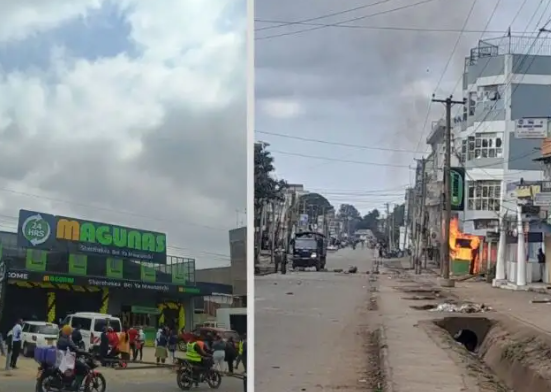

Kericho County is facing yet another worrying case of student unrest after a fire broke out at Tengecha Boys High School.
The incident happened only days after a similar case at Litein Boys High School, raising questions about the safety of schools in the area and the rising cases of indiscipline among students.
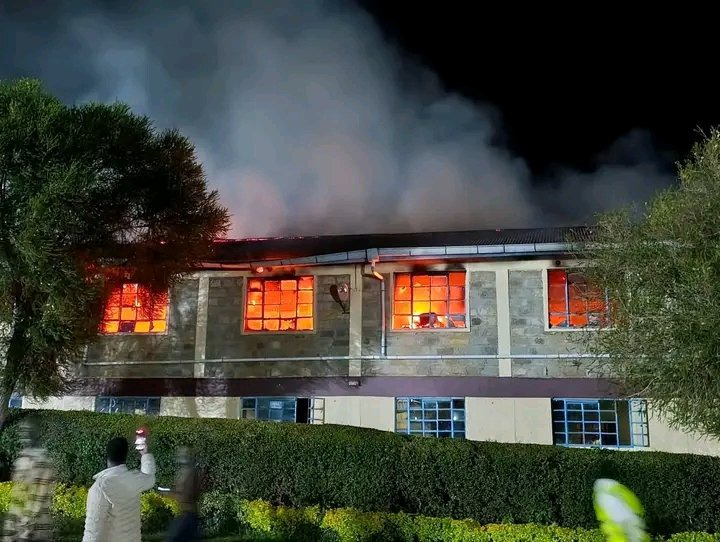
The fire at Tengecha Boys destroyed one of the dormitories in what is suspected to have been an act of arson, with reports suggesting that students may have deliberately set it ablaze.
Eyewitnesses explained that the fire started in the evening, causing panic among both students and staff.
Teachers and members of the surrounding community acted quickly to contain the flames before they could spread to other buildings.
Some residents carried water and improvised equipment, while others worked to ensure that students were evacuated to safety. This fast response helped prevent what could have been a much larger tragedy.
The timing and location of the incident have caused concern because Tengecha Boys is located just a few kilometers from Litein Boys, where a violent strike recently left a trail of destruction.
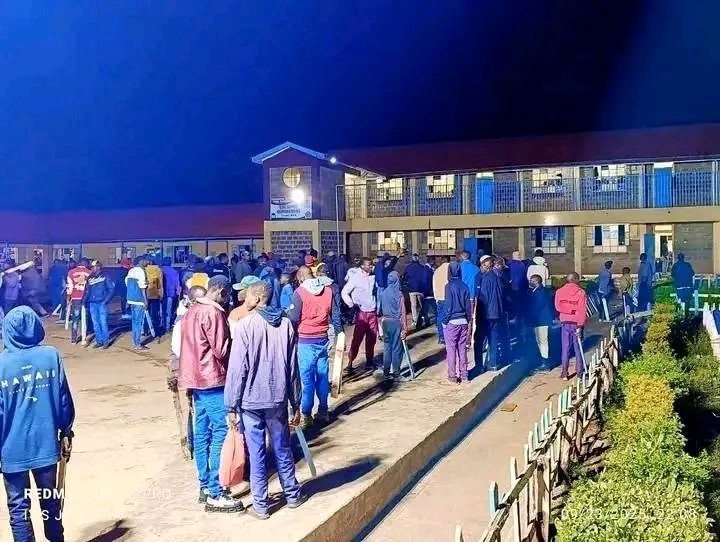
During that unrest, students burned buildings and damaged property worth millions of shillings. Authorities now fear that the events may be connected, possibly as part of a dangerous copycat trend among schools in the region.
Although no student was injured at Tengecha Boys, the loss of property has unsettled parents, teachers, and education officials. They now worry that if the situation is not controlled quickly, more schools may be affected.
Stakeholders are calling for urgent measures to restore discipline and prevent more destruction in learning institutions.The Ministry of Education is already under pressure after Litein Boys asked each student to pay Sh137,000 to cover the damages caused by the strike.
Experts caution that such financial penalties may not solve the underlying issues. Instead, they argue that the government, schools, and communities must work together to understand the frustrations pushing students into violent actions.
Without addressing these root causes, the cycle of unrest may continue.
Community elders have also spoken out, urging students to resolve grievances through dialogue rather than destruction. They have encouraged school administrations to listen more closely to students’ concerns before they escalate into strikes or fires.
Their message is that education should be preserved and not destroyed by those it is meant to benefit.
With investigations ongoing, Tengecha Boys now joins the growing list of schools where learning has been disrupted, and the fear of a larger crisis in the education sector continues to grow.