
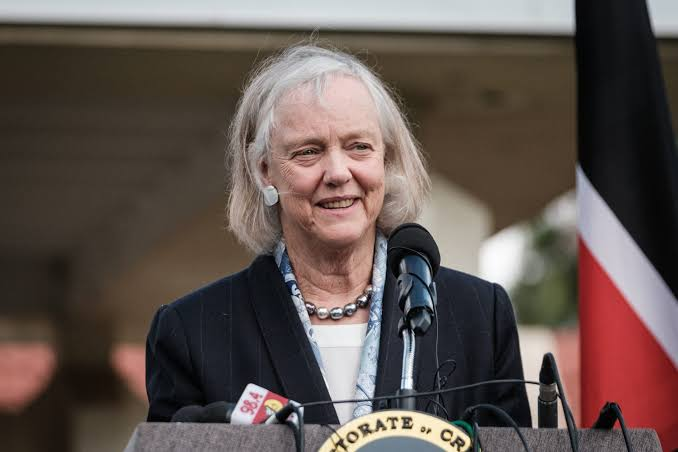
Moses Kuria believes Kenya is still living with the consequences of decisions made during Meg Whitman’s tenure as U.S. Ambassador.
He argues that her influence in the country went far beyond normal diplomatic work, claiming she effectively ruled Kenya for two years and left behind damage that will take long to repair.
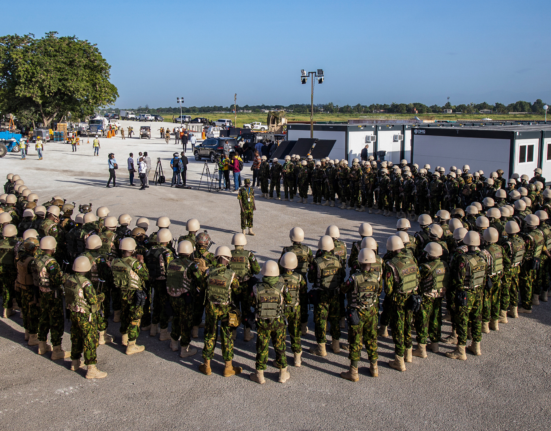
Kuria described her approach as one driven by personal judgment rather than collective consultation, something he says created unnecessary risks for the country.One of the main examples he gave was Kenya’s involvement in the UN mission to Haiti.
Kuria called it a misadventure that should never have happened, insisting it was pushed through under Whitman’s influence without proper checks.
He noted that even the Trump Administration had later admitted during a UN session that the Haiti operation lacked a broad mandate, which to him confirmed it was poorly conceived and badly executed.
In his view, Kenya’s participation did not benefit the country and instead weakened its foreign relations while exposing its security systems to unnecessary strain.
Kuria also suggested that Whitman’s dominance in Kenyan affairs was so strong that even top officials in the U.S. government were unable to counter her actions.
He pointed to Secretary of State Anthony Blinken, saying he was powerless to intervene as Whitman made key decisions on Kenya’s behalf.
For Kuria, this was clear evidence of how much authority she had amassed and how she operated almost independently while shaping Kenya’s policies.
He went on to warn that the country continues to pay the price for what he described as Whitman’s reign of terror. According to him, her leadership left scars on governance, diplomacy, and national security, which are still being felt today.
He portrayed her time in Kenya not as normal diplomacy but as interference that undermined local decision-making and left the nation vulnerable to external control.
Alongside his criticism, Kuria paid tribute to peace advocate Benedict Kabiru following his recent passing. He also honored two unnamed comrades who died, connecting their deaths indirectly to the wider consequences of Whitman’s influence.
For him, these losses serve as a reminder of the dangers that come when external actors have too much power over Kenya’s internal affairs.Through his statements, Kuria painted a picture of deep mistrust toward foreign interference.
He argued that Whitman’s actions showed the risks of allowing individual diplomats to operate without oversight, warning that such situations compromise Kenya’s sovereignty.