
Tanzania’s tense general election has left the country in turmoil, with reports of violence, curfews, and widespread internet blackouts gripping the nation.
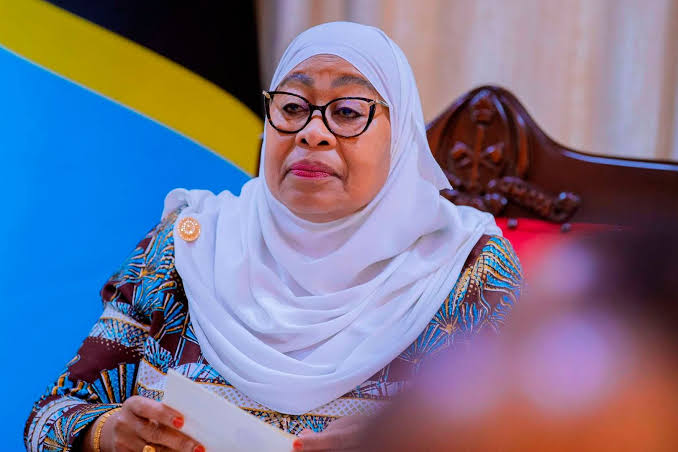
The October 29, 2025, poll was a moment of great attention across East Africa, as many observed how President Samia Suluhu Hassan the region’s first female president would handle a vote already marred by accusations of authoritarianism, political suppression, and favouritism toward the ruling Chama Cha Mapinduzi (CCM) party.
The political scene leading up to the vote was already darkened by the exclusion of the main opposition party, Chadema, from participating.
Its leader, Tundu Lissu, was arrested in April after calling for electoral reforms and later charged with treason, effectively removing the party from the ballot.
Other top Chadema officials, including deputy chairperson John Heche, were detained just days before the election.
The arrests sparked criticism that the government was determined to silence all dissent and secure an unchallenged victory for Suluhu.
On election day, Tanzanians experienced what many described as an eerie calm.
The state broadcaster, TBC, offered little coverage of the process, only mentioning that voting was ongoing before returning to regular programming.
Hours later, TBC announced that Suluhu had won the presidential race with an overwhelming 98% of the vote.
The swearing-in ceremony was held in private at the State House in Dodoma, without any public attendance, raising questions about transparency and legitimacy.
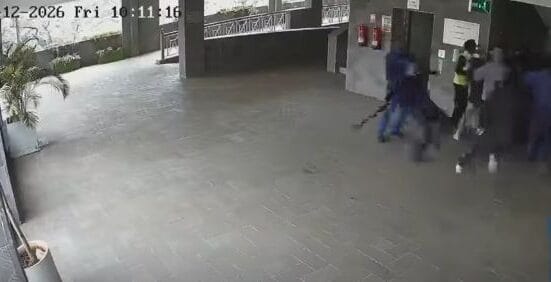
Meanwhile, chaos engulfed major cities, especially Dar es Salaam, where police declared a curfew from 6:00 pm on Thursday.
Military officers were deployed to the streets, and communication networks were suddenly cut off. Internet and power outages swept across the country, leaving Tanzanians disconnected from the rest of the world.
Reports indicate that the blackout has made it nearly impossible to verify information or confirm the number of casualties from the protests.
Some estimates suggest hundreds of deaths, though no independent verification has been possible due to media restrictions.
Foreign embassies, including those of the United Kingdom and the United States, have since issued travel advisories warning citizens to stay indoors and avoid unnecessary movement.
The UK’s Foreign, Commonwealth & Development Office stated that Tanzania is facing shortages of food, fuel, and cash, worsened by the internet shutdown.
Many foreign nationals have reportedly struggled to leave the country as flights were cancelled and airports saw little activity.Within Tanzania, disinformation has taken root in the information vacuum.
With international journalists barred and local media silenced, social media from neighbouring Kenya and Uganda has been flooded with unverified images and videos, some generated using artificial intelligence.
False reports, including claims that Suluhu fled the country, have spread widely online.
Amid the uncertainty, international organisations have called for calm and dialogue. The African Union expressed regret over the loss of life, urging Tanzanians to uphold human rights and political pluralism.
Pope Leo XIV appealed for prayers, while United Nations Secretary-General António Guterres condemned the violence and encouraged inclusive talks to restore peace.
The Southern African Development Community also urged restraint, warning against actions that could worsen the crisis.As Tanzania remains in the dark both literally and figuratively, the world watches with growing concern.
What was once celebrated as a milestone for East African democracy now stands as a grim reminder of how fragile freedom can become when power, politics, and fear collide.