

Questions are being raised about how a building that exceeded its approved height was allowed to go up in South C before collapsing, placing Nairobi Governor Johnson Sakaja’s administration under fresh public scrutiny.
The incident has triggered serious debate about county oversight, enforcement of planning laws, and the safety of residents living near large construction projects.
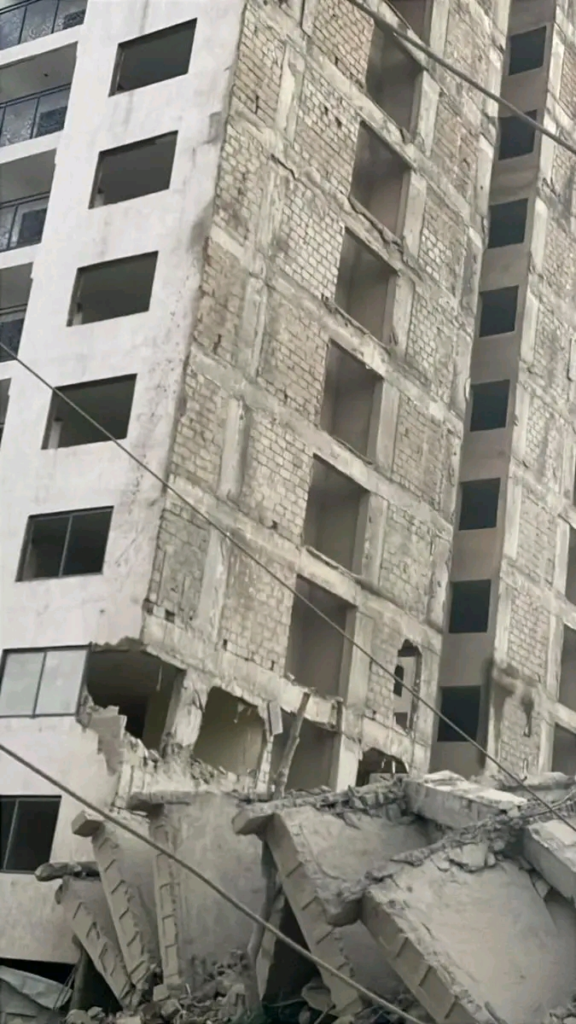
The building that collapsed stood on land identified as LR No. 209/5909/10, also known as Nairobi Block 68/1306. It had reached 16 storeys at the time of the collapse, despite official records showing that approval had been granted for only 12 floors.
The development was located along Kigangjo Avenue in South C, within Lang’ata Sub-county, an area that has seen rapid construction in recent years.
According to Kileleshwa MCA Robert Alai, the project was originally approved for 80 apartments spread across 12 levels. The approval was issued on December 19, 2023, under reference number PLUPA-BPM-003455-N.
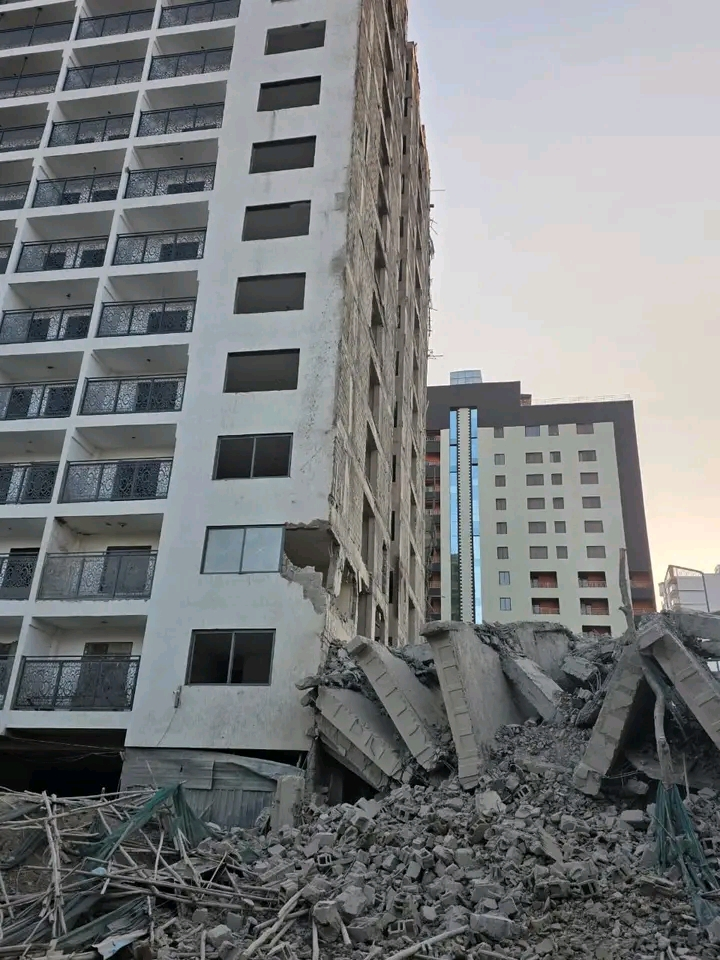
County documents show that the approval followed deliberations by the Urban Planning Technical Committee, as required by the Physical and Land Use Planning Act.
Alai claims that construction later went beyond the approved height, raising concerns about how the extra floors were authorised.
Alai has alleged that senior county officials unlawfully approved the additional floors, allowing the building to rise to 16 storeys.
He further alleged that the approvals were linked to a bribe of Ksh25 million and named Frederick Ochanda and Patrick Analo among those involved.
These claims have not been independently confirmed, but they have added pressure on the county government to explain how such a major deviation from approved plans was allowed.
Another key issue raised is the lack of public participation. Alai argues that developments of this size are required by law to involve the public, especially when changes are made to approved plans.
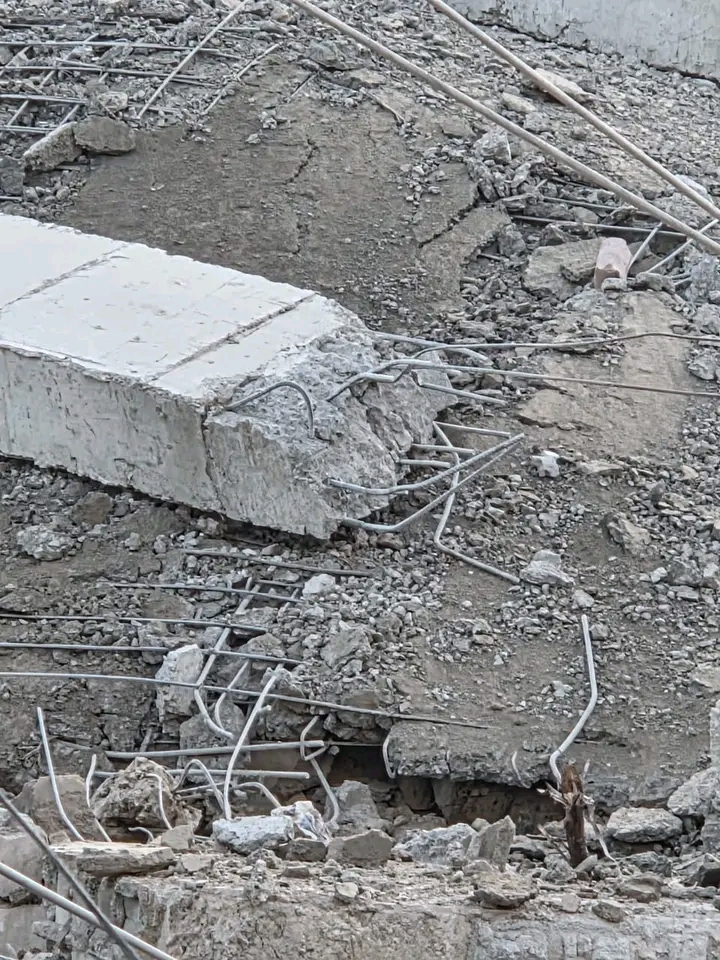
He maintains that residents were not consulted when the building was allowed to go beyond the original 12 floors, and that this failure to follow due process may have contributed to unsafe construction practices.
Records show that the contractor handling the project was registered with the National Construction Authority and held a valid annual practising licence under category NCA4.
While this indicates that the contractor met basic registration requirements, experts point out that NCA registration does not give permission to ignore county planning approvals.
Building beyond the approved height remains illegal, regardless of a contractor’s registration status.
Alai has also alleged broader collusion involving county planning officials, individuals linked to the governor’s office, and officials from the National Environment Management Authority.
He described this as a network that enables illegal developments across Nairobi. These allegations have renewed debate about whether existing inspection and enforcement systems are strong enough to prevent dangerous construction.The collapse has increased pressure on Governor Sakaja, whose administration has previously promised to take firm action against unsafe buildings following similar incidents in the city.
Critics argue that the South C case highlights ongoing weaknesses in enforcement, inspection, and accountability within Nairobi City County.
By the time of publication, the county government had not issued a detailed response to the specific allegations surrounding the building’s approval and height.
Efforts to reach the officials named in the claims were unsuccessful, leaving many questions unanswered as residents and the wider public demand accountability and clearer action to prevent similar incidents in the future.






Leave feedback about this