

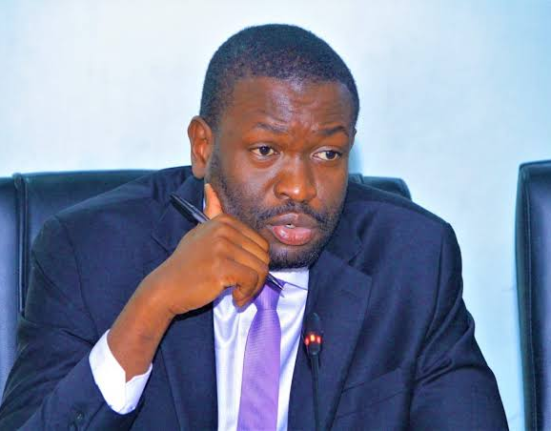
Speaking on Political Ringside, National Youth Council chairmanship candidate Soita Wafula has urged young Kenyans to take the upcoming National Youth Council elections seriously, describing the July 2026 exercise as a rare opportunity for the country’s youth to gain direct influence in governance and policy-making.
During an interview hosted by Kevin Waswa, Wafula said many young people remain unaware of the National Youth Council despite it being the official body established to represent their interests.
He noted that while young people have actively participated in public debates, protests and national conversations in recent years, meaningful change can only happen when they also occupy decision-making spaces.
According to Wafula, the council was created in 2009 to provide a platform through which youth voices could be heard at the national level.
However, after its last elections in 2012, the institution became largely inactive, leaving millions of young people without a strong and organised representation structure.
He described the upcoming elections as a turning point that could help revive youth participation in governance.
Wafula argued that the country has reached a stage where young people should move beyond expressing dissatisfaction and begin shaping policies that directly affect their future.
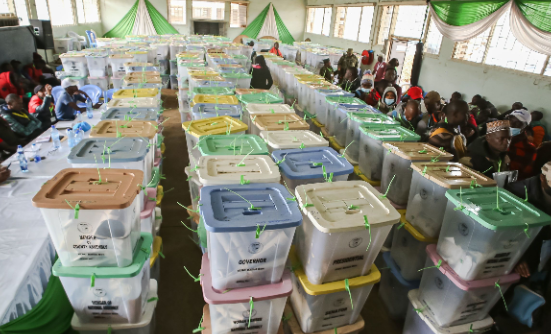
The elections will be conducted in three phases throughout July.
The first phase is scheduled for July 5 across all 1,450 wards in the country. Candidates seeking to contest will be required to secure at least 50 nominations, with successful contestants becoming delegates.
The second phase will take place on July 16 when delegates elect members of the National Youth Congress.
The process will conclude on July 27 when congress members elect the National Youth Council leadership, including the chairperson.
During the discussion, Wafula also raised concerns about the growing gap between education and economic opportunities. He said many young people leave school with academic qualifications but struggle to find employment, start businesses or access innovation opportunities.
He called for greater emphasis on entrepreneurship and financial literacy, arguing that modern economic realities require skills that go beyond classroom learning.
He also challenged the belief that youth empowerment should revolve solely around government funding programmes, saying sustainable progress depends on creating systems that support long-term growth and opportunity.
Wafula further highlighted sectors such as technology, artificial intelligence, data science and the creative industry as areas with significant potential to transform the lives of young people if properly supported.
He encouraged eligible youth to familiarise themselves with the election process, participate actively and help shape the future direction of the National Youth Council.
According to Wafula, Kenya’s future will increasingly depend on how effectively young people organise, engage and take leadership roles in national development.




Leave feedback about this