
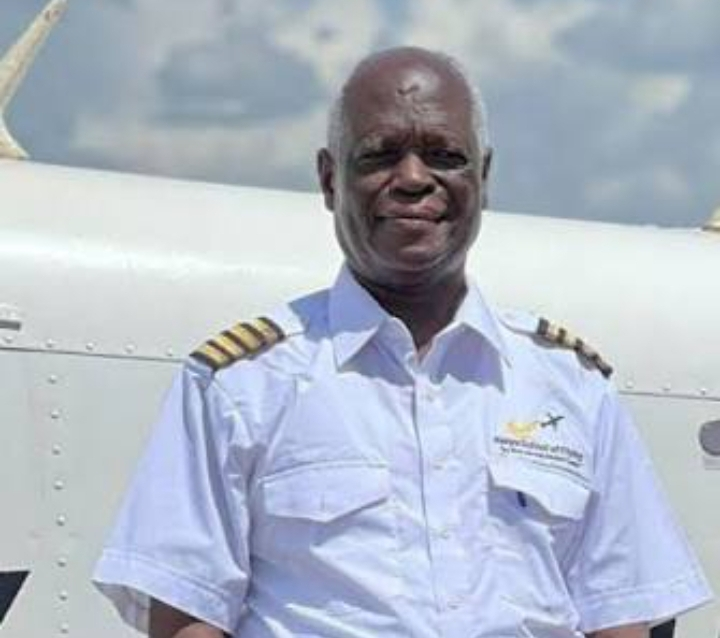
The events at Orly Airpark in Kajiado this week have reignited concerns over repeated attempts by Captain Joseph Martin Ririani, cousin to former Deputy President Rigathi Gachagua, to force control of the facility under the guise of aviation growth.
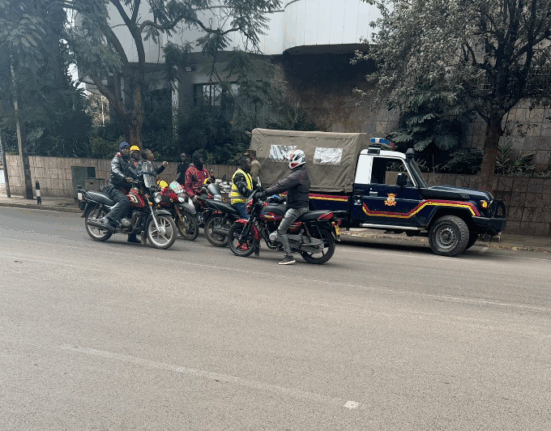
What unfolded was not just a disruption by armed men on motorbikes but, in the eyes of residents and aviation stakeholders, part of a larger pattern where Ririani has tried to bypass legal processes, pressure community elders, and frame opposition as racism to justify his expansion agenda.
For the third time, community leaders say they have been pushed to endorse his plan to extend the airstrip and expand operations of the Kenya School of Flying.
Many admit they feel cowed into silence, fearing that resistance would invite more intimidation. This is not a new struggle, every round of negotiations has been marred by claims that Ririani rallies groups of youths to advance his case, destabilizing what was originally designed as a private retirement and recreational airpark.
Yet, the stakes go far beyond personal ambition. Orly Airpark represents one of Kenya’s most promising aviation spaces, a place with the potential to grow into a true centre of excellence for flying schools, air charters, engineering, and innovation.
Aviation experts and community members alike recognize that the future of Kenya’s skies what many now call “Kajiado Skies” rests here, at Olooloitokosh.
This region’s location, space, and environment give it unmatched advantages for training the next generation of pilots and expanding the country’s role in global mobility.
The problem is that progress risks being derailed by individual battles. Ririani, despite his contributions as a veteran pilot, has increasingly drawn criticism for turning every negotiation into a personal crusade. His push for a runway extension has split opinion, on one hand, safety and student growth demand more space; on the other, the extension would cut into shared property, grazing paths, and the rights of other airpark users.
Airpark managers, private owners, and even nearby farmers say the approach taken by the Kenya School of Flying under Ririani is less about collaboration and more about claiming territory.
This approach has placed Kajiado at a crossroads. On one side lies the vision of an aviation hub that can help Kenya meet its goal of training 500 new pilots by 2030, while creating jobs and expanding technical expertise. On the other side are disputes clouded by political undertones, with Ririani’s family ties to Gachagua often raised as a factor in how power is applied on the ground.
That association, even without direct proof of involvement, injects a political edge into what should be a professional aviation matter.
For the community, the issue is not about rejecting aviation development but about ensuring it is handled transparently and lawfully.
Orly Airpark’s original concept private, recreational flying has already been overtaken by the reality of national needs. Kenya requires new training grounds, safe skies, and investment in mobility.
Kajiado offers that. But unless disputes are settled through clear rules and respect for community interests, the dream of “Kajiado Skies” risks becoming another casualty of power plays.




Leave feedback about this