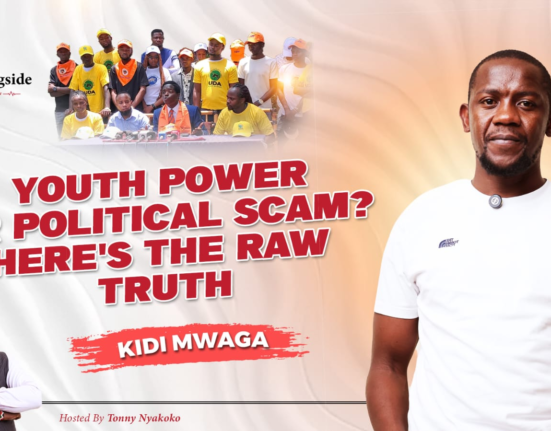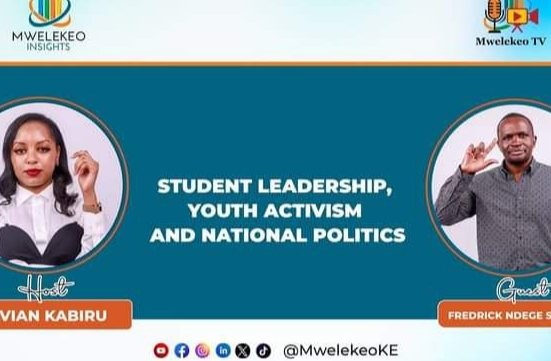

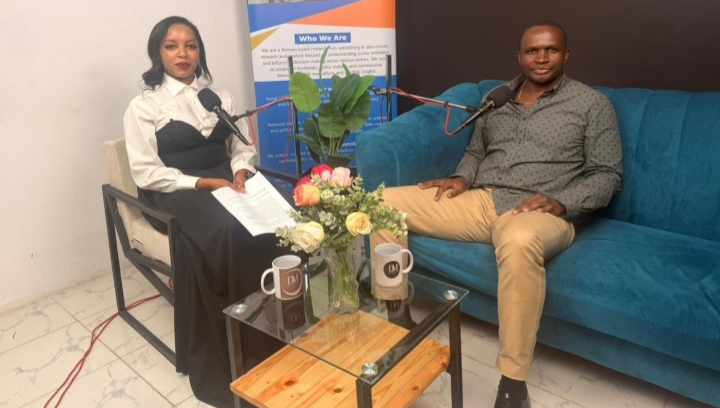
The conversation on Political Ringside recently turned attention to the growing role of young people in shaping Kenya’s political and social direction.
The show featured political strategist and former student leader Ndege Serikal, who spoke plainly about what the youth need to do to move from the margins into real positions of influence.
The future will not secure itself. It depends on the choices young people make now, not later.
Ndege argued that many young Kenyans underestimate their current power. For years, the idea that youth are only meant to prepare for leadership has been repeated so often that it became normal.
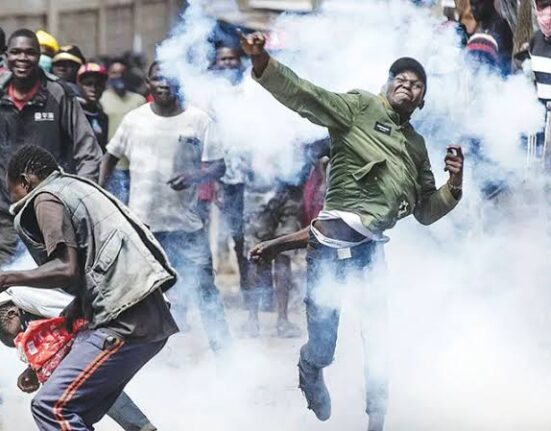
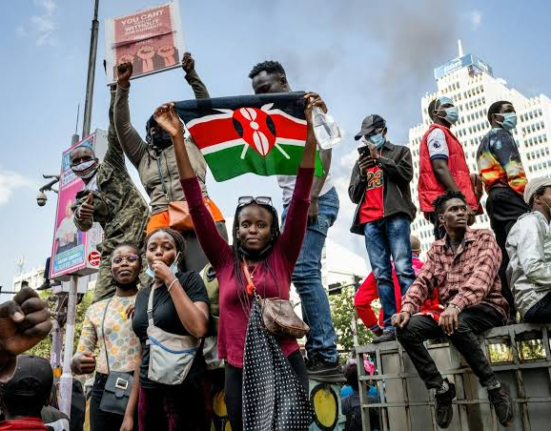
He challenged this thinking, saying that leadership is already happening among the youth, whether acknowledged or not. Recent nationwide protests led by young people proved that point.
Those demonstrations forced the government to respond and showed that youth voices, when united, can shift the national mood.
According to Ndege, this was not just a moment of anger but a lesson that action brings attention, while silence changes nothing.
He stressed that pressure alone is not enough if it ends after protests fade.
Young people must stay involved even when the streets are quiet. One key step is voter registration and turnout. Ndege described voting as a tool, not a ceremony.
When used properly, it allows citizens to influence leadership choices and policy direction. He encouraged young people to see elections as part of a longer process rather than a one-day event.
Staying informed, questioning leaders, and following up on promises is just as important as casting a ballot.
Digital spaces were also highlighted as important platforms. Ndege noted that discussions on platforms like X spaces allow young people to exchange ideas, challenge misinformation, and keep leaders under constant public watch. These conversations help maintain momentum and prevent leaders from becoming comfortable once public pressure drops.
He warned, however, that online engagement should support real action, not replace it.
A major concern Ndege raised was tokenism. He explained that young people are often included in politics only for appearance. They are mobilized to chant, attend rallies, or defend leaders online, but excluded from serious decision-making.
This pattern has existed for decades and continues to limit youth influence. He urged young people to reject roles that offer payment or visibility without substance. Instead, they should focus on becoming knowledgeable and useful in discussions where decisions are actually made.
Drawing from his own background in student leadership at the University of Nairobi, Ndege spoke about the value of campus politics. Student movements teach skills that later matter in national leadership, such as negotiation, communication, and managing pressure. These spaces also expose young leaders to diverse opinions, which is necessary for growth.
He believes that without such grounding, many leaders struggle when faced with real national challenges.Inclusivity was another issue he emphasized.
Leadership that excludes sections of society cannot last. From his experience, building teams that listen to different voices strengthens movements and builds trust. He encouraged young people to form groups that welcome varied ideas, backgrounds, and perspectives.
Ndege’s journey from student activism to preparing for a parliamentary contest in Langata reflects what consistent effort can achieve. He urged young people to treat challenges as lessons rather than setbacks.
While politics still favors some groups over others, especially men over women, he believes the youth can change this by staying engaged and demanding fairness.In the end, the message was straightforward.
Kenya’s youth do not need permission to lead. Through deliberate choices like voting, staying involved, rejecting token roles, learning early, and embracing inclusivity, they can move from observers to participants.