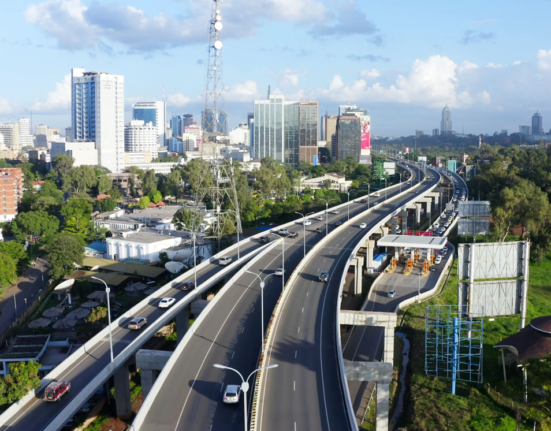


The debate on who should build Kenya’s highways has resurfaced after the Motorists Association of Kenya urged the government to give priority to local engineers, graduates, and skilled workers.
The association argued that relying heavily on foreign companies to take on major road projects has left many qualified Kenyans unemployed while denying the country the chance to strengthen its economy.
They warned that unless this trend changes, Kenyans will continue to be locked out of opportunities created by projects that should serve national interests.
In their statement issued on Monday, the group openly criticised the government’s preference for awarding contracts to private foreign operators. They pointed out that these firms often toll the roads and profit for decades, turning public infrastructure into private wealth.
According to the association, this has prevented roads from serving as unifying assets for the nation and instead placed them under the control of companies whose main aim is profit.
The association insisted that Kenya is far from lacking capacity. They explained that the country already has thousands of skilled graduates in fields such as engineering, architecture, and surveying, along with trained workers in technical trades.
They added that Kenya also has the machinery required for road projects, including graders, bulldozers, rollers, and tippers. What is missing, they said, is the political will to use these resources effectively.
The statement emphasised that young people continue to sit at home without jobs, not because they are unqualified, but because leaders have signed away opportunities to outsiders.
One of the projects highlighted in their call was the proposed expansion of the Mombasa-Nairobi Highway, also known as the A8.
The association said this project, if led by the government and supported by local experts, could employ thousands of Kenyans.
They noted that road construction involves much more than engineers. Surveyors, mechanics, welders, suppliers, and casual workers all find space in such projects.
In addition, they said that roadside businesses such as canteens, butcheries, shops, and workshops naturally grow around construction sites, spreading economic benefits even further.
The group faulted the government for what they described as “phantom deals” with foreign firms that drain resources away from Kenyans. They insisted that the purpose of national budgets should be to create jobs, stimulate business growth, and promote national pride.
The association posed a sharp question: how poor can Kenya claim to be if it has the people, equipment, and resources yet cannot build its own roads?
They went on to warn that handing over strategic projects to outsiders undermines the country’s independence and compromises its long-term growth.
In their view, a government that cannot provide dignity and employment to its citizens has surrendered not only its highways but its future as well.
The pushback against foreign dominance in road construction has also been turned into action.
Last week, the association launched a petition against the planned expansion of the Rironi-Mau Summit highway connecting Nairobi and Nakuru.
Through an online platform, they invited Kenyans to file objections to the government’s plan to construct and toll the road under a foreign concession.
Their position remains firm: Kenya must start building its own roads using its own people, or risk remaining dependent while opportunities continue to slip away.