
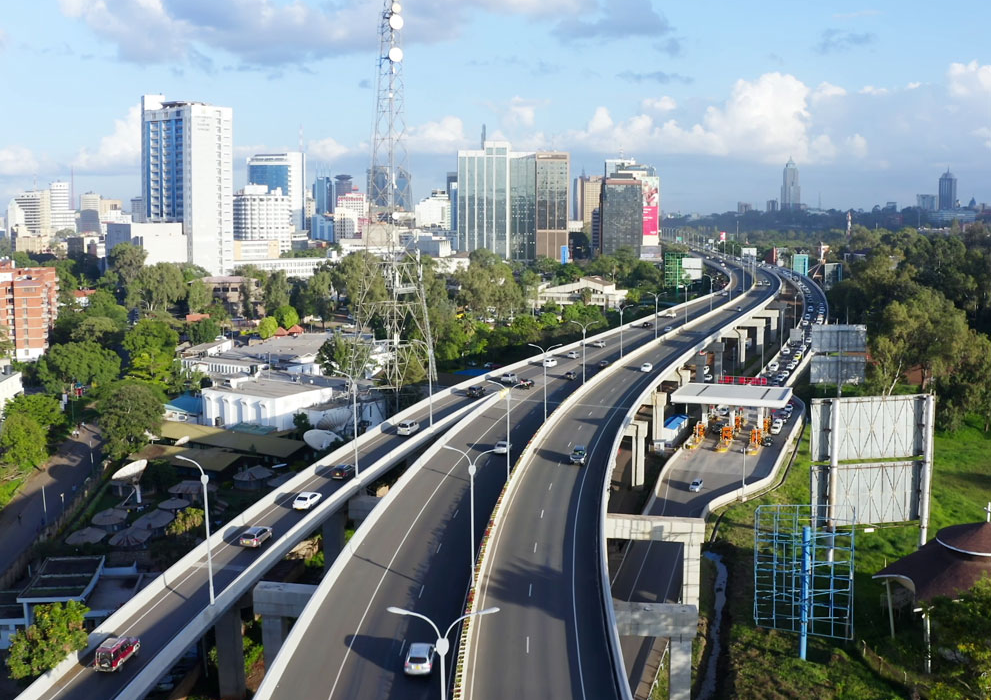
The government’s plan to introduce toll fees on major highways has met strong resistance from the Motorists Association of Kenya (MAK), which believes the move will worsen the financial burden already facing many drivers and transport operators.
The association argues that turning key public roads into toll routes would place motorists at the mercy of private concessionaires, some of whom are foreign investors whose main interest is profit rather than public welfare.
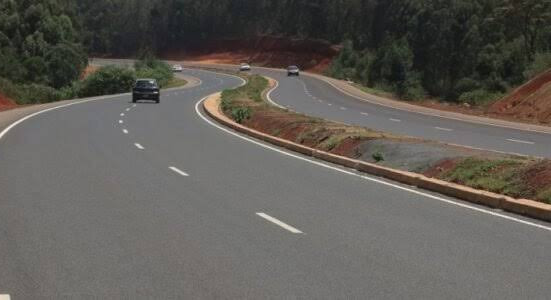
MAK raised concerns over the government’s lack of transparency in the proposed tolling deals involving major national routes such as the Rironi–Mai Mahiu–Naivasha, Nakuru–Mau Summit, and Eldoret–Malaba highways.
The association stated that Kenyans are already battling high fuel prices, vehicle maintenance costs, and multiple road-related taxes.
Introducing toll fees, they said, would only make the cost of living even higher for millions who rely on road transport.
They emphasized that the move would not only impact private motorists but also have a ripple effect across the transport sector.
Public service vehicles would likely raise fares to cover toll expenses, while transporters of goods would pass the additional cost to consumers, leading to higher prices for basic commodities.
MAK also warned that once toll management is handed over to foreign concessionaires, the government may lose control over future adjustments of toll rates.
They fear that the rates could be increased without public consultation, leaving ordinary Kenyans with no choice but to pay more for essential travel.
The association accused the state of double taxation, noting that road users already pay through fuel levies, motor vehicle registration fees, and annual road maintenance taxes.
They questioned why motorists should pay again to use roads that were built and maintained with their tax money.
The group called for a complete review of the Public-Private Partnership (PPP) framework to ensure that it does not exploit road users.
According to MAK, infrastructure development should prioritize public benefit over private profit.
They insisted that essential transport infrastructure should remain under government ownership and control, arguing that this is the only way to protect citizens from exploitation by private investors.
In their statement, MAK demanded full disclosure of the tolling contracts by the Ministry of Roads and the Treasury.
They claimed that some agreements may include clauses preventing the construction of alternative free roads, effectively forcing Kenyans to depend solely on tolled highways.
The association further urged Parliament to scrutinize these deals thoroughly before implementation, saying public interest must come first.
MAK believes that the government already collects enough taxes from motorists to fund road maintenance and expansion.
They suggested that instead of outsourcing road management to private companies, the state should improve transparency and efficiency in how public funds are utilized.
The statement followed an announcement by the Kenya National Highways Authority (KeNHA) indicating that the Nairobi–Nakuru–Mau Summit Road would be tolled at Ksh 8 per kilometre with a 1% annual increment under a partnership involving China Road and Bridge Corporation (CRBC) and the National Social Security Fund (NSSF).
The plan, they said, highlights the growing concern that public infrastructure is being turned into a commercial venture at the expense of ordinary Kenyans who rely on these roads daily.