
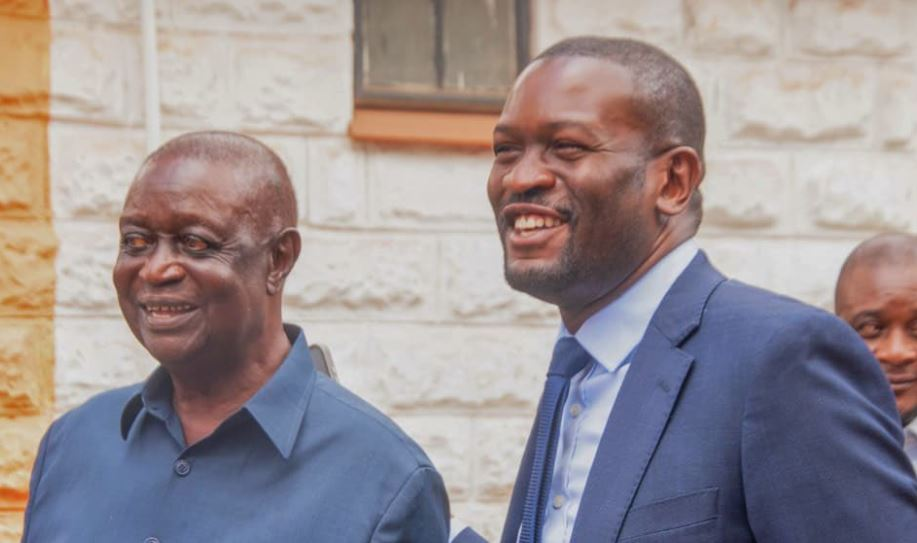
ODM’s leadership shift has entered a more defined stage after the party’s top decision-making organs agreed on new appointments meant to guide the movement through a period of transition.
The changes come at a time when the party is still dealing with the loss of its long-serving leader Raila Odinga, whose death earlier this month created a major emotional and political gap that the party has been trying to manage carefully.
The National Governing Council has now approved Siaya Senator Oburu Odinga as the new party leader, formalising the role he has been holding in an acting capacity since mid-October.
This approval marks an important moment for the party as it tries to maintain stability during a sensitive time.
Oburu’s rise to the position is not surprising to many within ODM. He has been in politics for many years, serving as Assistant Minister for Finance and later in the East African Legislative Assembly.
His long experience within government and the party has made him a familiar and trusted figure among ODM members.
His first appointment as acting party leader by the National Executive Committee on October 16 prepared the ground for this final confirmation by the NGC on November 13, a date that also marks ODM’s 20th anniversary.
The party now looks to him to guide ODM as the second leader to take up the role since the movement was formed in 2005.
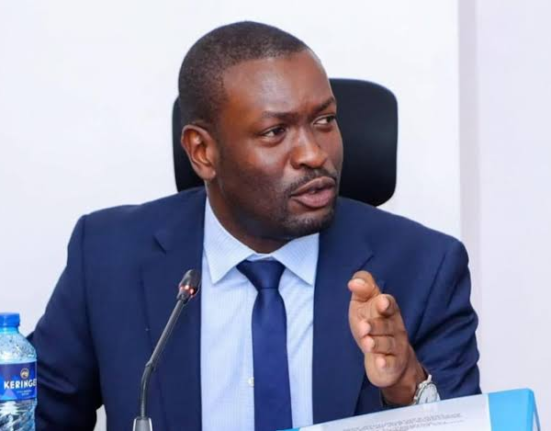
Alongside Oburu, the party has confirmed Deputy Party Leaders Abdulswamad Nassir, Simba Arati and Godfrey Osotsi. This group represents different regions and political strengths, something ODM has always considered important for national balance.
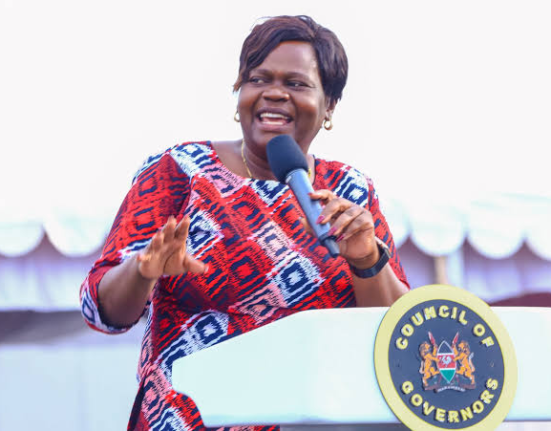
The appointments of Ariko Namoit and Opiyo Amollo as Vice Chairpersons add to this mix, while Kisumu Woman Representative Ruth Odinga and Kisumu West MP Rosa Buyu take up the roles of Deputy Organising Secretary and Secretary of Political Affairs.
These positions help shape the party’s daily operations and political messaging, making their confirmation an important step.
However, all these appointments will still be presented to the National Delegates Convention for ratification, showing that ODM intends to follow its internal procedures and avoid friction.
The timing of these changes overlaps with memorial events being held in honour of Raila Odinga in Kilifi, Homa Bay, Migori and other places. Supporters have been gathering to remember his work in pushing for peace, democratic reforms and inclusion.
These events continue to draw large crowds, reflecting the impact he had across the country. Even as ODM adjusts its leadership structure, Raila’s influence remains present in the party’s tone and direction, especially during this period of mourning and reflection.
ODM is also preparing for the ODM@20 celebrations scheduled for November 14 to 16 in Mombasa.
The event aims to bring members together, reinforce unity and reconnect the party with the values that guided its formation.
With the transition now officially taking shape, the anniversary is expected to double as a moment of renewal and a chance for the new leadership to show its readiness to carry the party forward.


Leave feedback about this