
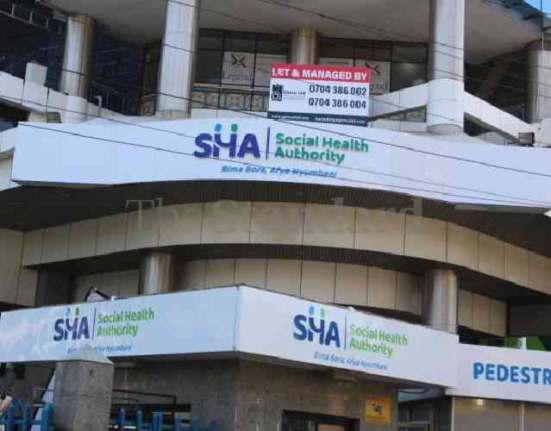
Kenya’s healthcare system is facing serious challenges that are affecting many people, especially public servants. These workers expected to get medical care through the Social Health Authority (SHA), a program launched to make health services affordable and available to all.
SHA was meant to replace the older National Health Insurance Fund (NHIF), promising better service and coverage. However, less than a year since it started, the program has struggled to meet its goals and is causing more problems than solutions.
Many civil servants who used to receive medical treatment on credit in private hospitals are now being forced to pay cash upfront.
This is because private hospitals have stopped offering credit services to most government workers, apart from teachers and police officers, due to SHA’s failure to clear huge unpaid bills.
The Kenya Healthcare Federation (KHF) has revealed that SHA owes about 3 billion shillings in unpaid claims.
This delay is not a small issue, it has put hospitals under financial strain and disrupted healthcare delivery. Faith-based hospitals, which provide essential care to rural and low-income communities, are owed over 15 billion shillings, with some claims outstanding for months.
One Catholic hospital in Mumias was even forced to close temporarily because of over 200 million shillings in unpaid debts, denying patients much-needed treatment.
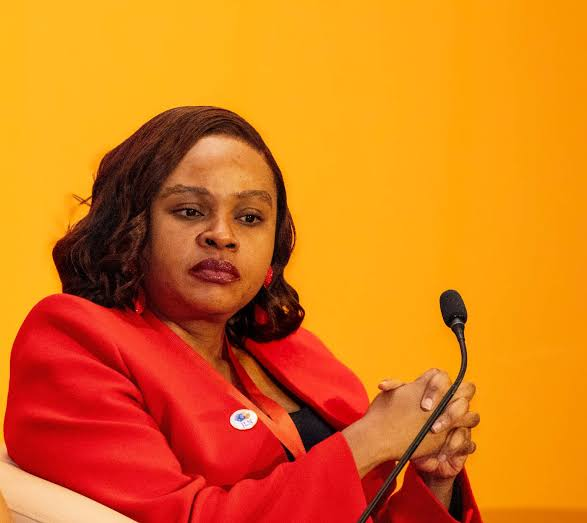
The problems at SHA are linked to its leadership, especially CEO Dr. Mercy Mwangangi. She was expected to bring transparency and efficiency but instead has overseen a program riddled with scandals and accusations of corruption.
A report from the Auditor General exposed SHA as a 104 billion shilling scam. The government invested taxpayer money into a digital health system that it does not control.
Legal disputes about this system are happening in courts outside Kenya, which raises questions about accountability.
Some of the money collected is held in an escrow account managed by unknown parties, making the program’s operations unclear.
SHA also inherited a 9 billion shilling debt owed to counties from the NHIF era, which has not been resolved.
Hospitals complain that even when they get their claims approved, payments come slowly and in small amounts.
SHA promised to clear the backlog by July, but many hospitals are still waiting.
The two-phase payment system designed by SHA looks good on paper but has failed in practice, leading to many private hospitals refusing to treat civil servants without upfront payment.
Experts have described the system as a complicated fraud hurting ordinary Kenyans.Fraud is another issue.
SHA’s digital system, intended to prevent cheating, has not worked as planned. Recently, 40 health facilities were suspended for fake billing and creating ghost patients.
While this crackdown is important, critics say it distracts from bigger problems such as SHA’s rushed rollout without proper financial checks.
Patients who have defaulted on Hustler Fund loans are reportedly denied coverage despite paying their premiums.
Over 1,600 faith-based hospitals risk closing because of unpaid debts exceeding 250 million shillings, and even referral hospitals are turning away insured patients because of outdated records.
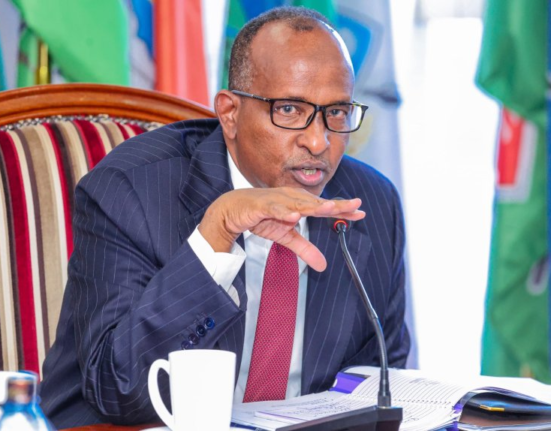
Despite these problems, Health Cabinet Secretary Aden Duale has downplayed concerns, calling them minor.
This attitude overlooks the real suffering of families burdened by medical bills and hospitals struggling to stay open.
President William Ruto claims nearly 20 million people are registered under SHA, but only about 4 million actively contribute, showing a lack of trust in the system.
Under Dr. Mwangangi, SHA has become a symbol of a failed promise where large sums of money disappear, yet ordinary Kenyans bear the cost.




Leave feedback about this