
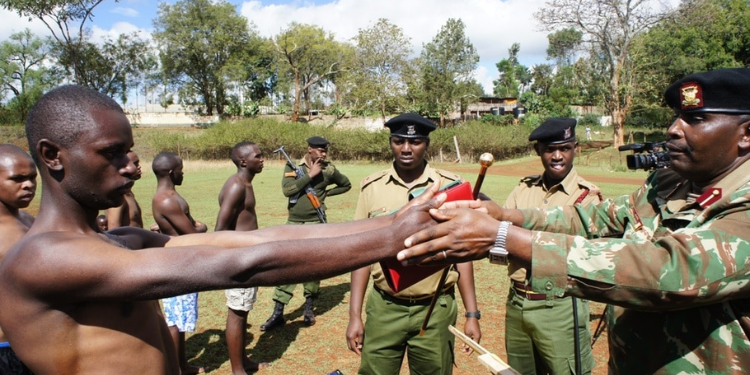
Lawmakers have dismissed a draft proposal brought forward by the National Police Service Commission that sought to change the way police officers are recruited in the country.
The proposal was presented before the Parliamentary Committee on Administration and National Security, but members of parliament from both sides raised concerns over transparency, regional equity, and whether the suggested framework would fully respect constitutional principles.
The commission had suggested wide-ranging changes that included new entry qualifications, a centralized vetting system, and a quota arrangement that aimed to ensure better regional balance in police recruitment.
On paper, these measures seemed like an attempt to fix some of the long-standing problems that have faced the police service.
However, MPs were quick to point out what they saw as serious shortcomings.
They said the draft did not clearly explain how these changes would be put into practice, and more importantly, it failed to address the history of ethnic bias and political meddling that has often clouded police recruitment exercises in the past.
Committee members expressed worry that the new framework could end up giving the commission too much unchecked authority.
According to them, such power concentration could easily open doors for manipulation and favoritism, which would be a step backward rather than forward.
One legislator emphasized that the committee could not support a proposal that risked politicizing the entire recruitment process or leaving certain communities feeling left out.
Another issue raised was timing. Several lawmakers argued that bringing up these reforms at a time when the public is already questioning police behavior and accountability was not wise.
They said reforms should be designed in a way that restores trust in the police, and unfortunately, the draft as it stood did not meet that need.
With the rejection, the commission has now been directed to go back and consult more widely before coming up with a revised draft.
Parliament instructed that these consultations should not be limited to government offices alone but should also involve civil society groups, human rights defenders, and county governments.
Such engagement, MPs believe, will help ensure that the final framework is inclusive, fair, and transparent.
The Interior Ministry is also expected to join the conversation, particularly to make sure that any changes align with the country’s security priorities and financial realities.
This means that the debate on how to reform police recruitment is far from over, but the rejection of the draft has made clear that parliament wants a more open, balanced, and accountable process that citizens can trust.
Leave feedback about this