
Mwelekeo TV serves as the visual storytelling arm of Mwelekeo Insights, a Kenyan research firm focused on opinion polling and data-driven discussions.
The show brings important conversations to life through interviews and expert talks on topics that affect everyday Kenyans, such as business, technology, governance, and social issues.
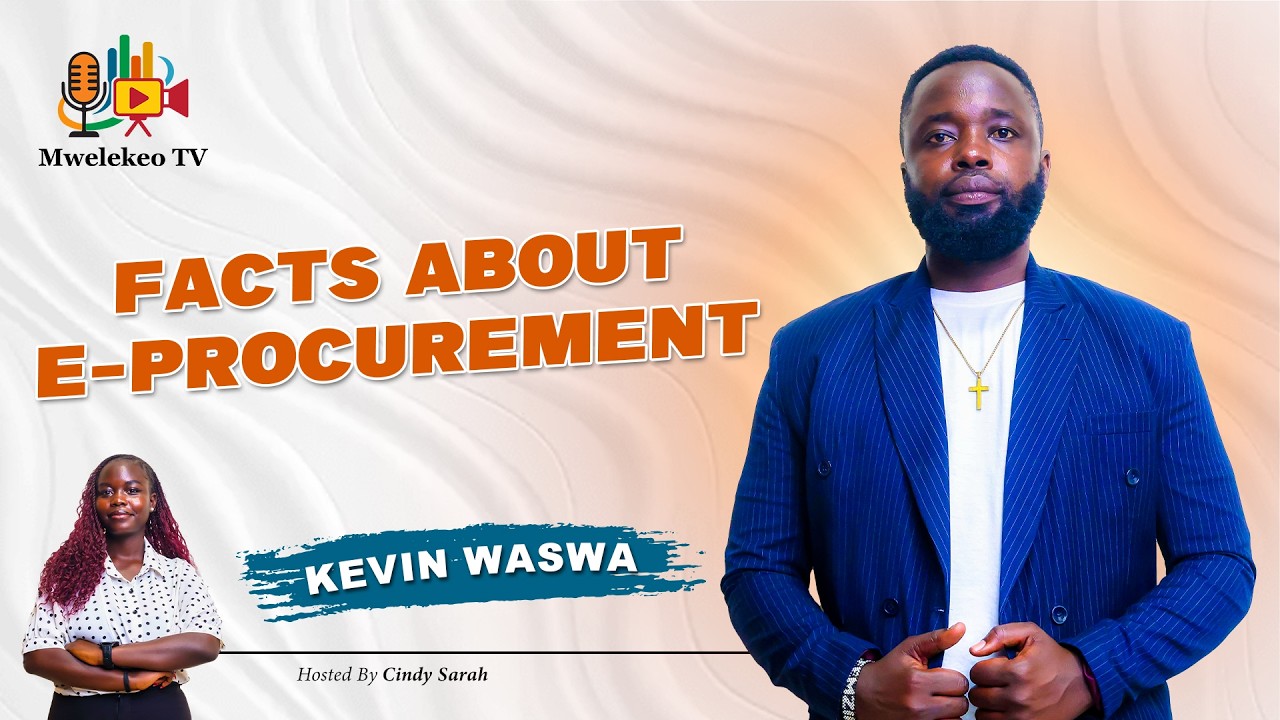
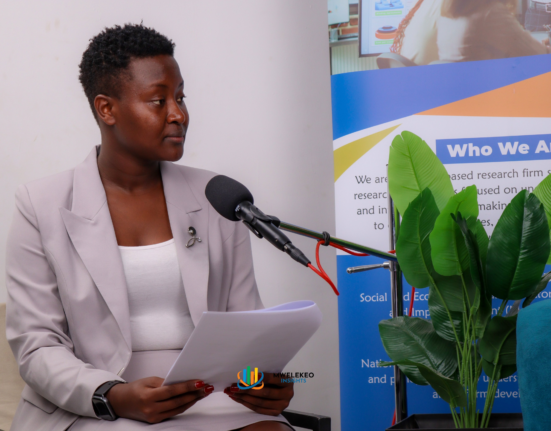
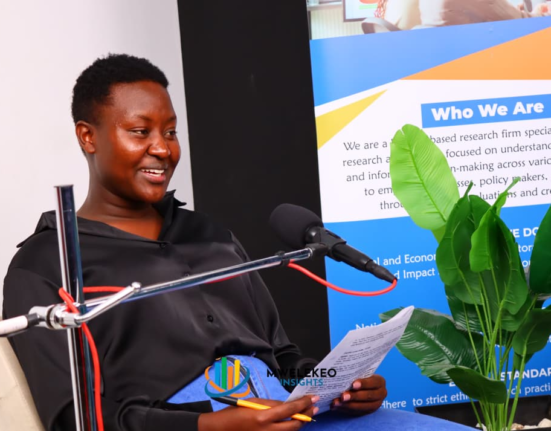
In a recent episode of Mwelekeo TV titled “The Digital Revolution in Procurement You Need to Understand,” host Sarah Cindy sits down with Kevin Waswa, a procurement and supply chain expert.
The conversation explores how digital tools are changing the way governments and organizations buy goods and services. Procurement is basically the process of getting goods from makers or suppliers to the people who need them.
It follows rules to make sure everything is done fairly. Kevin gives a simple example, “when someone buys a watch, it moves through different steps from the factory to the shop and then to the buyer”.
These steps are guided by set procedures.
The discussion highlights the shift from old ways of doing procurement to modern e-procurement systems.
In the past, much of the work involved paper forms, manual approvals, and face-to-face meetings. This could take a lot of time and sometimes led to mistakes or delays.
Digital platforms allow for electronic submissions, online catalogs, and automated invoicing. These changes help speed up the process and cut down on errors.
For instance, instead of waiting days or weeks for documents to move between offices, information can flow in real time.
One of the main benefits mentioned is greater transparency. Digital systems create clear records that are easy to track.
This makes it harder for corruption to happen because every step can be checked by the right people.
Accountability improves as well, since decisions are based on data rather than personal connections.
Kevin explains that e-procurement platforms reduce the chances of unfair dealings in tender processes, which are the bids for government or company contracts.
Efficiency is another key point. Automation helps with tasks like demand forecasting and inventory management.
Organizations can analyze data quickly to know what they need and when. This leads to cost savings because there is less waste. For supply chains, digital tools mean better planning and fewer delays in getting products to where they are needed.
In Kenya and across Africa, these improvements can help speed up service delivery in public projects, such as building roads or supplying medicines to hospitals.
The interview also touches on how digital procurement opens doors for more people.
Small and medium enterprises, young entrepreneurs, and youth now have a better chance to compete for contracts.
In traditional systems, bigger companies with strong connections often won most deals. Online platforms make the process more open, so smaller players can submit bids from anywhere without needing to travel or know someone inside the organization.
This inclusivity supports economic growth by spreading opportunities wider.
Kevin Waswa does not shy away from the challenges. Many organizations face resistance when trying to adopt new systems. Staff may be used to old methods and need training to learn the digital tools.
There can be issues with integrating new software with existing ones, and some places start with pilot tests to see if it works before going full scale.
Cybersecurity is another concern, as online systems can be targets for hackers. However, Kevin notes that Kenyan developers are building local solutions to make these platforms safer.
He also points out that professionals now need skills in digital procurement, often gained through courses or degrees from places like the University of Nairobi.
The conversation looks at the history of how procurement has evolved. It started with fully manual processes, then moved to basic electronic systems that had limited reach.
The internet brought better communication, and now full e-procurement combines everything with advanced features.
Each stage solved problems from the one before it.
Kevin believes technology like artificial intelligence and data analytics will play a bigger role. These tools can help make smarter decisions and manage resources better.
He gives an example of how automation has changed companies elsewhere, such as large retailers reducing staff numbers while improving service.
He stresses that people and machines need to work together. Humans provide the data and make final strategic choices.
In Kenya, rules like the Public Procurement and Disposal Act guide these processes. The Public Procurement Regulatory Authority oversees them to ensure fairness. The episode explains that both public and private sectors are slowly adopting e-procurement to meet demands for better governance and efficiency.
Sustainable practices also come up, such as green procurement that considers environmental impact when choosing suppliers.
Kevin encourages everyone to learn about these changes because organizations now look for workers who understand digital systems. Ignoring technology could leave people behind in the job market.
The interview on Mwelekeo TV connects technology with real-life impacts on economic development and national growth. It shows that digital procurement is not just about faster buying but also about building a fairer and more accountable system.
The full episode is available for anyone who wants to hear the complete exchange and pick up more details on the topic.




Leave feedback about this