
Kenya is facing growing financial pressure as the country’s debt continues to rise, creating concern among experts, lawmakers, and citizens. The latest report presented to the National Assembly shows that Kenya’s national debt has now reached KSh11.7 trillion, a sharp jump from the previous year.
This increase happened after the National Treasury borrowed more than KSh1.1 trillion in the last financial year, adding to an already heavy burden.
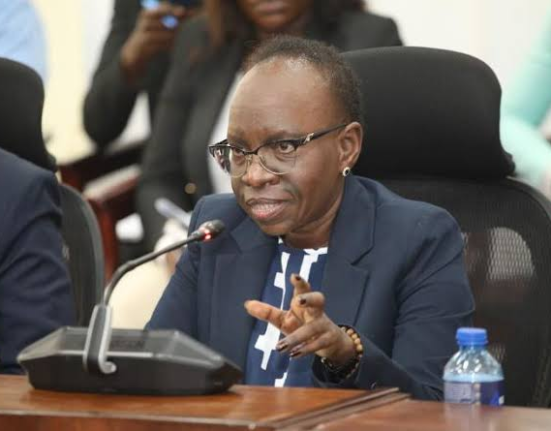
Controller of Budget Margaret Nyakang’o explained to lawmakers that the rise in public debt has been driven mainly by widening fiscal deficits and the effects of a weakening shilling, which makes external loans more expensive to repay.
Nyakang’o noted that the total public debt for the 2024/25 financial year stands at 67.8 percent of the country’s Gross Domestic Product.
She pointed out that although the government is trying to slow down debt growth through fiscal consolidation, the current situation remains worrying.
Domestic debt is the biggest share of the total, amounting to KSh6.3 trillion, which is more than half of the overall figure.
This has been rising fast because the government continues to depend heavily on Treasury bonds and bills.
External debt stands at KSh5.4 trillion, boosted partly by new financing from multilateral lenders.
Another major concern raised in the report is the cost of servicing the debt. Kenya is expected to spend KSh1.6 trillion this year alone on repaying both domestic and external loans.
This amount is more than 70 percent of the country’s ordinary revenue, meaning most of the money collected by the government goes directly to paying debts instead of development.
Domestic interest payments take the biggest portion at KSh699.5 billion, while external debt repayments will cost KSh540.1 billion.
This includes KSh332.7 billion in principal and KSh205.3 billion in interest and other charges.The report also highlights risks linked to State-Owned Enterprises, which continue to depend heavily on government guarantees to stay afloat.
Companies such as Kenya Airways, KenGen, and the Kenya Ports Authority hold large guaranteed loans.
The National Government has already been forced to settle major guaranteed debts this year, including the Kenya Airways loan, showing how struggling state agencies can drain public finances.
Nyakang’o warns that if these enterprises continue relying on guarantees, more debt may fall back on the government, putting further pressure on the country’s budget.
The situation is not any better at the county level. Counties are sinking deeper into debt, with pending bills now standing at KSh183.03 billion as of June 30, 2025.
Most of this amount is owed by the County Executive, while County Assemblies owe a smaller portion. Many of these unpaid bills have been pending for more than three years, showing how serious the issue has become.
The CoB warns that such arrears slow down development, delay salaries, and hurt small businesses that depend on county payments for survival.
Some suppliers have taken counties to court, leading to expensive legal battles and growing mistrust between citizens and county governments.With both national and county debts rising sharply, the report warns that Kenya’s economic stability is at risk.
The pressure of repaying huge loans is weighing heavily on government services, slowing down growth and affecting households and businesses across the country.



Leave feedback about this