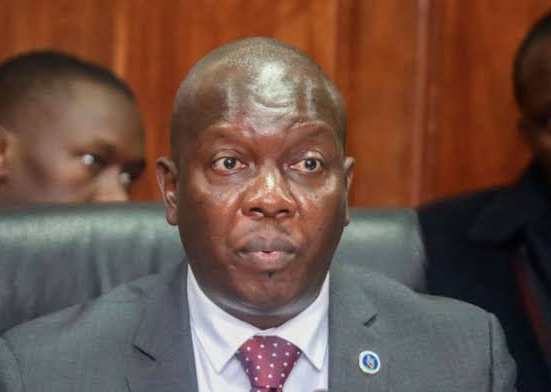

Andrew Kipkirui Rotich’s story paints a grim picture of how institutions treat those who try to protect public resources.
As a former internal auditor at the Social Health Authority, he uncovered a serious fraud scheme that bled billions from the health fund.
His audit exposed falsified billing records from over 1,000 healthcare providers, where claims were deliberately inflated, patient files were altered, and in some cases payments were made for services that never took place.
What was meant to improve the health sector instead ended up lining the pockets of individuals who took advantage of loopholes in the system.
The work he did revealed the extent of negligence and lack of oversight in the institution.
The funds at stake were taxpayers’ money, collected with the promise of strengthening healthcare and improving access for millions of Kenyans.
Yet instead of being used properly, the money was siphoned away through dishonest claims that went unnoticed for years.
For many Kenyans struggling with medical costs, the revelations were shocking because they showed how resources meant for their welfare had been mismanaged and stolen in plain sight.
But what followed after his discovery was even more telling.

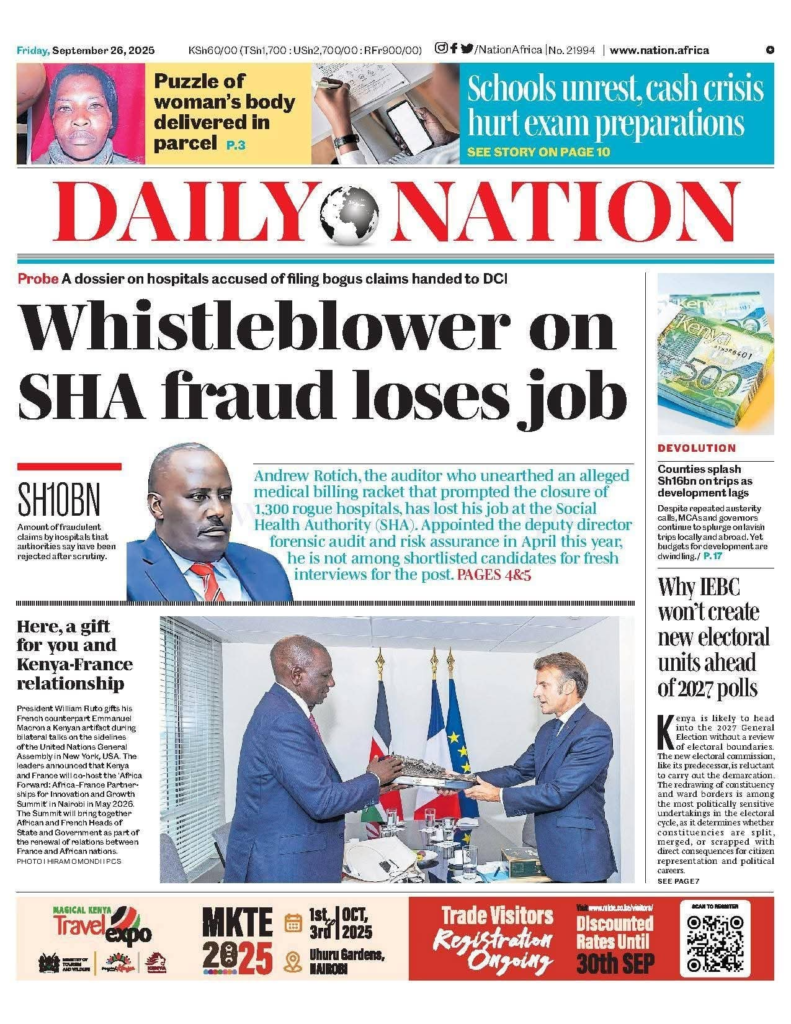
Instead of being acknowledged for exposing corruption, Rotich’s position was re-advertised and he was not even considered for an interview.
He was left without a job, while those who benefitted from the fraudulent system initially walked away untouched.
His removal from the institution raised uncomfortable questions about how Kenya treats whistleblowers.
Rather than protecting those who risk their careers to expose corruption, the system seems to punish them, discouraging others from speaking out in the future.
The scandal also exposed how weak the oversight mechanisms within public institutions can be. Before the audit, hospitals and healthcare providers accessed funds with very little monitoring.
This allowed fraud to thrive unchecked and drained resources that could have been used to provide better health services.
After the exposure, SHA came under sharp criticism, but the damage had already been done, both to the institution’s credibility and to taxpayers who lost out on services they deserved.
Rotich’s case is an example of how corruption eats away at both public trust and professional integrity. He fulfilled his duty by exposing malpractice, but the price he paid was his career.
Those who orchestrated the fraudulent claims emerged as temporary winners, while he and millions of Kenyans relying on healthcare funds were left as the real losers. His story highlights the urgent need for reforms that do more than just expose scandals.
Institutions must find ways to protect whistleblowers and ensure that professionals who act in the public interest are safeguarded, not sidelined.
Without this protection, the fight against corruption in critical sectors such as healthcare will remain weak, and the cycle of misuse of public funds will continue.In the end, Rotich’s experience is not just about one man losing his job, but about a system that failed to reward integrity.

It stands as a warning that unless accountability and whistleblower protection are strengthened, the country risks losing both public money and the few brave individuals willing to defend it.