
Kenya’s promise of universal health coverage through the Social Health Authority has turned into one of the country’s biggest governance scandals in recent years.
Launched in late 2023 to replace the troubled National Health Insurance Fund, the SHA was meant to fix old mistakes and give citizens better access to medical care through monthly contributions. Instead, it has created a system where public money flows freely to ghost facilities while ordinary Kenyans are left stranded without care.

Early audits in March 2025 already showed that something was wrong.
A contract worth 104 billion shillings had been handed out without competitive bidding, raising serious questions about procurement.
The Auditor General went further and revealed that the government had no control over the digital platform managing SHA funds, making it easy for misuse to happen.
These findings set the stage for a wave of scandals that have only deepened with time.
By June, 31 private hospitals were suspended for faking inpatient claims to drain SHA resources.
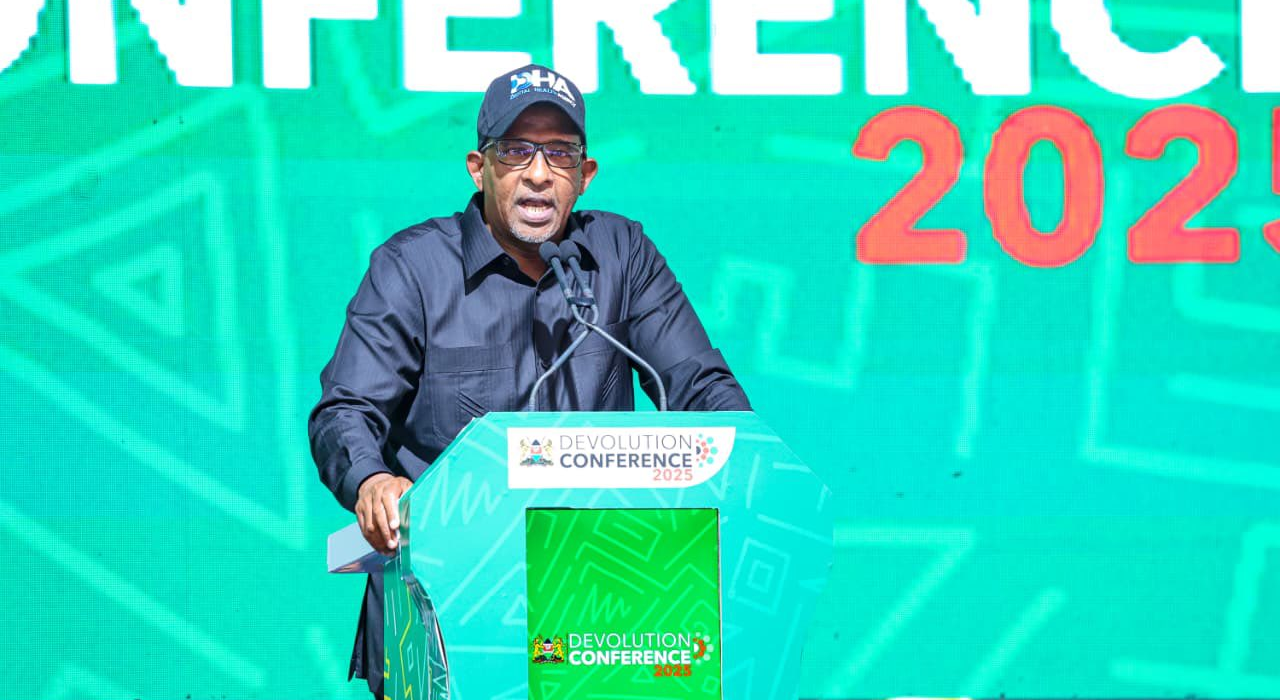
Health Cabinet Secretary Aden Duale promised to crack down on fraud, listing six common schemes such as ghost admissions and recycled pre-authorization codes.
President Ruto later announced that more than 1,000 fake hospitals had been shut down, claiming his administration was stopping the same kind of theft that destroyed NHIF.
Yet, despite the tough talk, new revelations kept surfacing month after month.
August brought the ugliest picture yet. Investigations showed that so-called facilities in Mandera, Rhamu, Modogashe, and even near the Ethiopia border were receiving millions without any proof of existing on the ground.
Some, like Tumticha Hospital, claimed to have beds but had none. Others, like Zamzam Nursing Home and Ayale Medicare, pocketed millions in weeks without any digital or physical trace.
Hanano Nursing Home was tied to a forest location, while Derkhale Medical Centre was nothing more than a roadside sign. The most shocking case was Ladnan Hospital, linked to SHA chairperson Abdi Mohammed, which received 52 million shillings in just two weeks more than some national referral hospitals.
As Kenyans shared coordinates and photos showing empty land where hospitals were supposed to be, the outrage spread online under the hashtag #DualeMustGo.
Duale is accused of waiting until billions were stolen before suspending facilities, while critics claimed his family businesses also benefited from the scheme.
Activists said this was not poor oversight but a designed system of looting, with fake facilities registered, paid, and then banned only after the money disappeared. No major arrests have been made, fueling suspicions of protection from the very top.
Meanwhile, real hospitals struggle. In Homa Bay, only 14 million shillings of a 54 million allocation reached patients, with the rest unaccounted for. In Nairobi, 10 facilities were flagged for fraud while in Mandera 8 appeared on the list, yet none in central Kenya faced scrutiny.
Private hospitals complain of delayed SHA reimbursements, with less than 53 percent of claims paid by August 2025, forcing some to turn away civil servants. Citizens paying monthly deductions find themselves locked out of services, while ghost hospitals thrive.
What was supposed to fix NHIF’s failures has instead repeated them in a bigger way. 40% of NHIF claims were once found to be fake, but SHA’s promises of reform now ring hollow.
Duale’s response has been slow and defensive, his crackdowns looking more like damage control than reform. The fraud has robbed Kenyans of healthcare while enriching a few connected individuals, leaving the system broken and public trust in ruins.
Calls for arrests, accountability, and even a return to NHIF are growing louder, showing just how badly the SHA experiment has failed.