

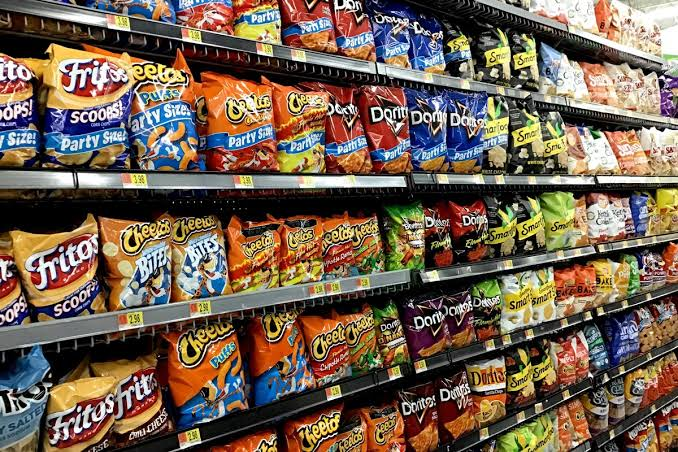
The Ministry of Health has expressed serious concern over the growing number of consumable products in the Kenyan market that fail to meet required nutritional standards.
According to the 2025 Kenya Market Assessment Report, only 10 per cent of packaged foods currently being sold meet the nutritional content guidelines set by the Kenya Nutrient Profile Model.
This finding paints a worrying picture of the state of food being consumed, especially by Kenyans living in towns and cities.
The report shows that many people are now shifting from natural, nutritious meals to processed and packaged foods, which often contain dangerous levels of salt, fat, and sugar.

This growing preference for processed foods, especially in urban areas, has triggered health concerns.
The Health Ministry is now warning that these dietary changes are contributing to rising cases of non-communicable diseases such as diabetes, heart disease, and obesity.
The Access to Nutrition Initiative (ATNI) report added to the alarm by revealing that around 90 per cent of the packaged foods sold in Kenyan supermarkets have high amounts of salt, sugar, and fat.
These are foods that many consumers often see as convenient or even healthy, but in reality, they pose hidden health dangers.
Due to this situation, the government has begun preparing strict guidelines to control the levels of fat, sugar, and salt in processed foods.
According to Public Health and Safety Standards Principal Secretary Mary Muthoni, the foods will be grouped into categories such as beverages, dairy, snacks, and cereals.
This will allow the ministry to set tailored nutritional thresholds for each group. The aim is to reduce the amount of harmful ingredients in popular food products and protect consumers from long-term health problems.

The ATNI report further showed that about 50 per cent of the packaged foods sold do not meet health requirements, while only 32.2 per cent could be considered healthy. Even more worrying is the fact that many of these unhealthy products are marketed as healthier options, misleading unsuspecting buyers.
These items include carbonated drinks, juices, rice, noodles, biscuits, cereals, dairy items, and instant coffee. Consumers often pick them off the shelves without knowing what they are really consuming.
Muthoni noted that the ministry is planning to introduce strict packaging rules that will make it mandatory for food producers to reveal what is inside their products.
She pointed out that many processed food packages use bright colours and attractive designs to lure customers, yet they fail to clearly indicate if the food is good or bad for health.
This lack of clear information on the front of the packaging is one of the reasons why many Kenyans unknowingly consume harmful products.
To address this, the government is working on reforms that will make food labelling more transparent and informative. These reforms are expected to give consumers more power to make better choices about what they eat.
The Ministry of Health believes that with clearer information on nutritional content, Kenyans will be in a better position to protect their health and avoid the risks posed by unhealthy food.
The ministry’s efforts signal a crucial step towards creating a healthier population and controlling the spread of non-communicable diseases linked to poor diet.