
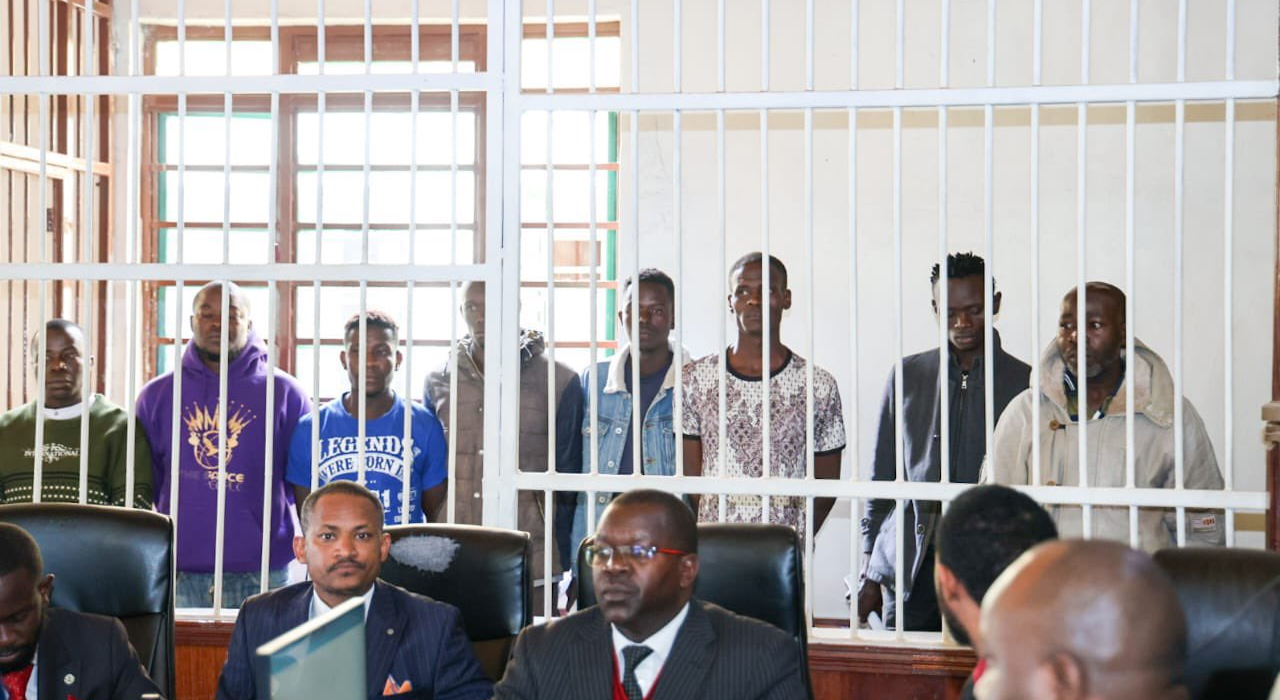
The recent arrests and terrorism charges against eight individuals from Homa Bay have triggered public concern, with many seeing this as a misuse of state power.
The arrests followed protests during the burial of Albert Ojwang, a teacher and blogger who died in police custody.
These individuals had initially been detained after carrying Ojwang’s body to Mawego Police Station in protest.
Although they were released, they were later re-arrested on July 14, 2025, and taken to Nairobi where they were charged with terrorism.
The eight individuals namely Kennedy Oluoch Oluoch, Nicholas Otieno, Tofiq Owiti Mohamed, Michael Omondi Opiyo, David Bill Clinton Otieno, Robert Ouko Abala, Samuel Ouma Odhiambo, and Erick Obunga Osumba now face serious charges including commission of a terrorist act, arson, and malicious property damage.
They pleaded not guilty and were taken to Kamiti Maximum Security Prison, with their bond hearing scheduled for July 22, 2025.
Their arrest came after protests linked to the brutal death of Ojwang. An autopsy showed he died from assault injuries, contradicting police claims that he harmed himself.
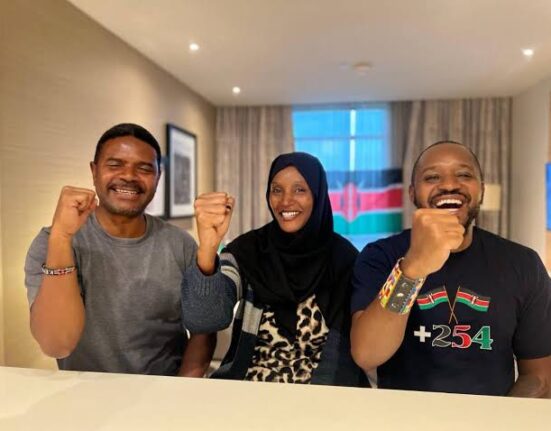
Activist Anuar Saddat raised alarm on social media, criticizing Homa Bay leaders especially Governor Gladys Wanga for keeping silent. Many interpreted this silence as abandonment of their own people at a time they needed political support.
The case reminded people of past injustices during the Moi era, where state machinery was used to suppress dissent and target specific communities.
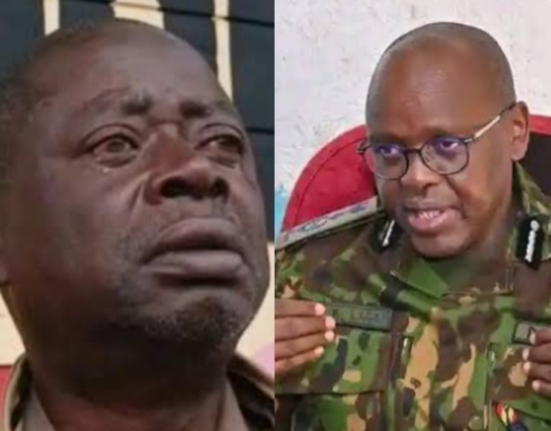
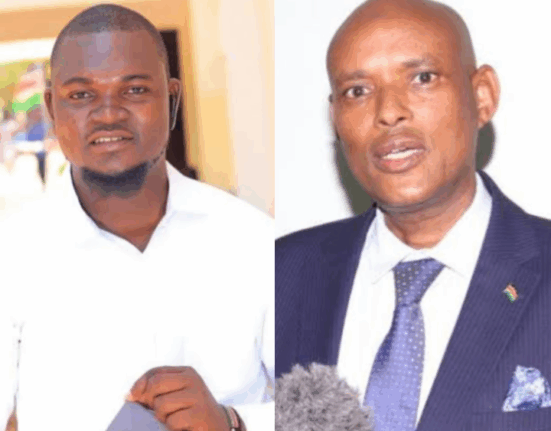
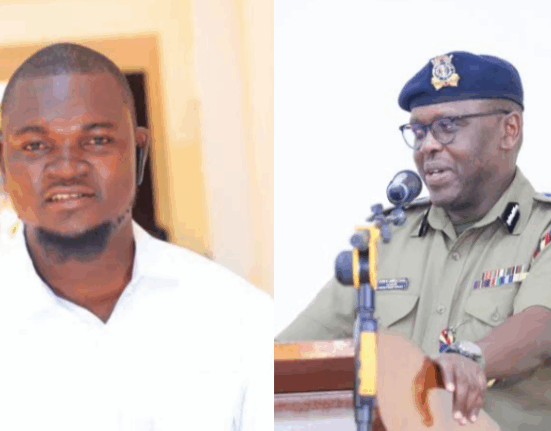
The role of DIG Eliud Lagat and Judge Richard Koech has raised further concerns. Lagat is tied to Ojwang’s arrest after the blogger posted criticism of him online.
Judge Koech, who handled the terrorism charges, is now facing questions from activists and legal observers who feel the charges were exaggerated and politically driven.
There are calls for accountability and transparency, especially with IPOA still investigating the circumstances of Ojwang’s death.
The fact that these eight young men are now labeled as terrorists while awaiting trial in maximum security has unsettled many Kenyans.
Social media users pointed out inconsistencies in how charges are applied across communities, questioning whether similar actions by people from other regions would result in terrorism accusations.
What started as a protest against police brutality has now turned into a wider debate on leadership, justice, and ethnic fairness in Kenya.
The public continues to demand answers not just for the death of Albert Ojwang, but also for what they see as a dangerous pattern of abuse and silence.
All eyes are on the justice system and the leaders whose silence is growing louder by the day.