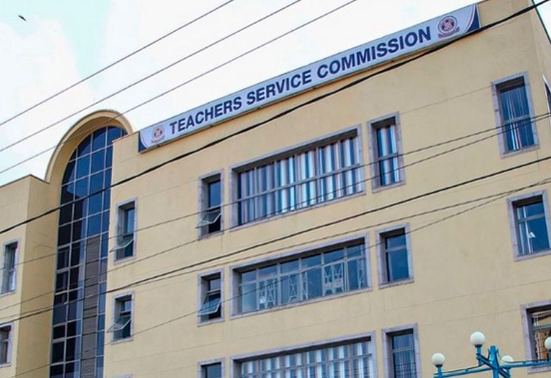

Questions are growing around healthcare choices in the public sector after the Teachers Service Commission quietly advertised for a private medical insurance cover for its own staff.
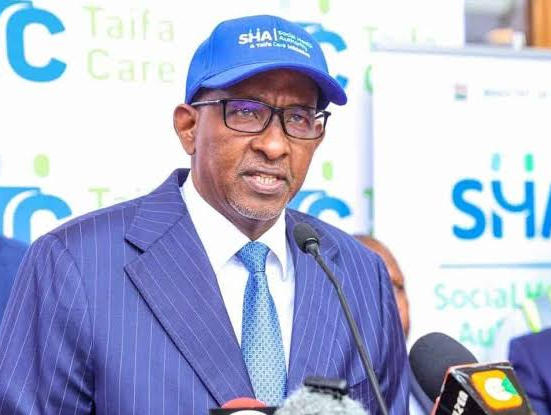
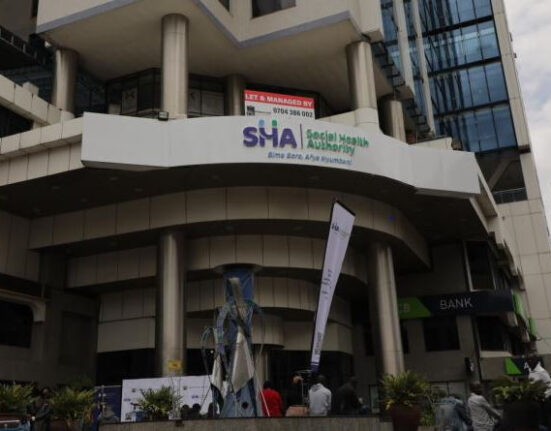
This comes only weeks after the commission moved thousands of teachers from the Minet Kenya scheme to the government-run Social Health Authority, a change that has already caused anxiety among educators across the country.
The advertisement, dated December 9, invites qualified firms to bid for tenders for the 2025–2026 financial year.
One of the key services listed is the provision of a medical insurance scheme for TSC commissioners and secretariat staff working in county and regional offices.
The tender is open and requires a bid security of Ksh9 million, which points to a wide and possibly high-quality insurance package.
This decision has sparked debate because it appears to contradict the recent shift imposed on teachers. For years, teachers were covered under Minet Kenya, a private scheme many had become used to despite its own challenges.
The move to SHA was presented as part of a wider government plan to create a single health system for all citizens and public workers.
Teachers were told to transition, even as unions warned of gaps and confusion.Since the rollout of SHA, teachers’ unions have reported problems such as delayed approvals, unclear procedures, and limited access to some services.
Many teachers say they are still unsure how the new system works and whether it can meet their medical needs.
Against this background, TSC’s move to secure private insurance for its own staff has been seen by critics as a sign of low confidence in SHA.The timing of the tender has added to the public reaction.
Just days earlier, on December 5, the Parliamentary Joint Services also advertised a tender for private medical insurance for Members of Parliament.
That tender required a bid security of Ksh4 million, valid for 217 days, supported by a bank guarantee from a Central Bank-recognised institution. The close timing of the two notices has raised eyebrows.
To many Kenyans, these developments suggest a clear divide. While teachers and other civil servants are expected to rely on SHA, senior officials and lawmakers appear to be choosing private cover.
This contrast has led to questions about fairness and equal treatment within the public service.
So far, TSC has not given a public explanation on why its staff need a separate private insurance scheme when SHA is meant to serve all government employees.
Without clear communication, speculation continues to grow. Some see the move as a practical decision to ensure uninterrupted services for key staff, while others see it as an admission that SHA is not yet reliable.As debate continues, pressure is building on the government and TSC to explain their choices and address the weaknesses reported under SHA.
For teachers who feel unheard, the tender has only deepened concerns that they were pushed into a system their employer is not ready to trust for itself.