
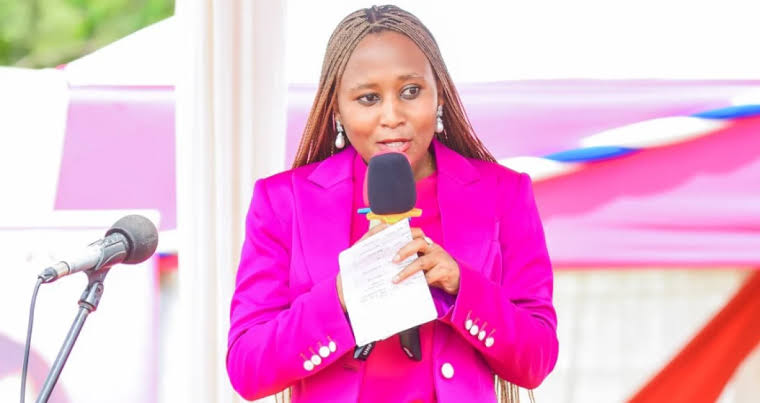
Kirinyaga Woman Representative Njeri Maina has strongly dismissed the apology issued by UDA Secretary General Hassan Omar Hassan following controversial remarks he allegedly made about the Mount Kenya community.
The outspoken legislator insisted that the apology does not erase what she described as a deep tribal mindset within sections of the political leadership.
In a sharp response that has since sparked heated political debate online, Njeri Maina argued that Hassan Omar’s statement reflected more than just a simple political slip.
According to her, the comments exposed what she termed as long-standing tribal perspectives that continue to shape national politics behind the scenes.
The Kirinyaga Woman Representative further claimed that apologising publicly would not automatically change personal beliefs or political attitudes toward the Mount Kenya region.
She maintained that leaders should be judged not only by their apologies but also by their repeated political statements and conduct.
“Hassan Omar issuing an apology will not change his tribal perspective, or those of his masters. As a matter of fact, he can keep his apology,” Njeri Maina stated.
Her remarks have intensified political tensions between government allies and critics from the Mount Kenya region, with many leaders now openly questioning the sincerity of recent reconciliation attempts within the ruling coalition.
Supporters of Njeri Maina praised her for defending the community against what they viewed as politically charged remarks, while others accused politicians of escalating ethnic divisions for political gain ahead of the 2027 General Election.
The controversy has once again highlighted the growing political cracks emerging within Kenya’s political landscape as leaders position themselves for future alliances and succession battles.
Analysts now warn that tribal politics could dominate national conversations in the coming months if political leaders fail to exercise restraint in their public statements.
,The latest exchange also reflects the increasing pressure facing the ruling coalition as leaders from different regions continue to express dissatisfaction over political representation, government appointments, and national unity concerns.