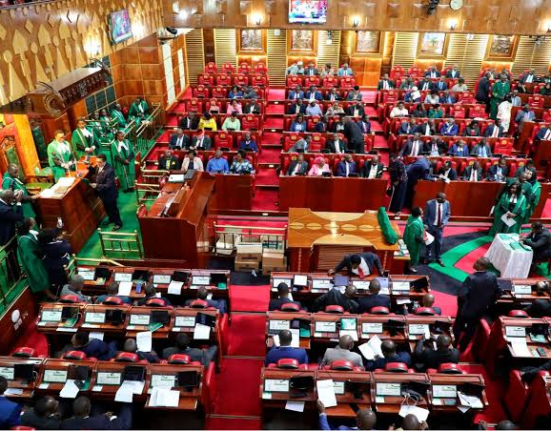

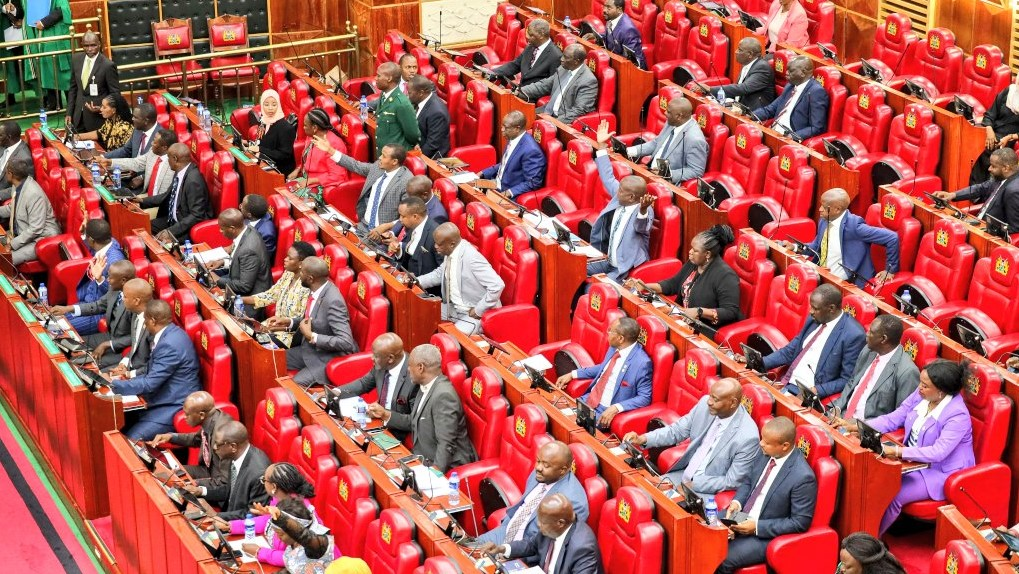
Members of Parliament are once again pushing laws that many see as direct attacks on free speech and digital freedoms.
The proposed Computer Misuse and Cybercrimes (Amendment) Bill, 2024 gives the government sweeping powers to interfere with phones, computers, websites, and entire digital platforms, claiming it is to curb crimes like terrorism, child pornography, and extremist practices.
But behind this justification lies the fear that MPs are giving the state unchecked powers that could be used to silence critical voices, journalists, activists, and ordinary citizens who speak against those in power.
The Bill, introduced by the National Assembly’s Committee on Communication, Information and Innovation and sponsored by Wajir East MP Aden Daudi Mohamed, would allow the Communications Authority of Kenya to order the removal of online content or deactivate devices and websites on suspicion alone.
The language used in the amendments is broad and vague, meaning authorities would not need to prove wrongdoing before crippling digital platforms.
This is why critics warn the Bill is less about protecting Kenyans and more about handing MPs and government agencies a tool to police speech.
Law enforcement officers or experts appointed by the Cabinet Secretary for National Security would also be able to apply to courts to shut down platforms.
Beyond this, the Bill strengthens the role of the National Computer and Cybercrimes Coordination Committee by giving it powers to block websites and apps in Kenya.
MPs argue this will protect the country, but many Kenyans see it as an open door to censorship, a way to pull down any content that exposes corruption, poor governance, or misuse of public funds.
The Bill also comes with heavy punishments. Cyber harassment offences could attract up to ten years in prison or fines of twenty million shillings.
SIM card fraud could mean two years in jail. Aiding cybercrime could earn up to four years behind bars. While crimes must be punished, critics argue MPs are hiding behind security language to expand state power and intimidate citizens who use digital platforms to question leadership.
Already, lawyer Evance Ndong has moved to court, describing the amendments as unconstitutional and vague.
He says unclear phrases like “extreme religious and cultic practices” could be twisted to target legitimate worshippers or groups disliked by the state.
He also points out that the clause giving powers to block websites was inserted without proper public participation, another sign MPs are bulldozing the law without listening to the people.
The case is now before Justice Lawrence Mugambi, with the Attorney General, the National Assembly, and the Senate named as respondents.
Whatever the outcome, the Bill highlights how MPs, instead of protecting rights, are crafting laws that make it easier to silence criticism and control the digital space, raising fresh doubts about their commitment to democracy and free expression.