
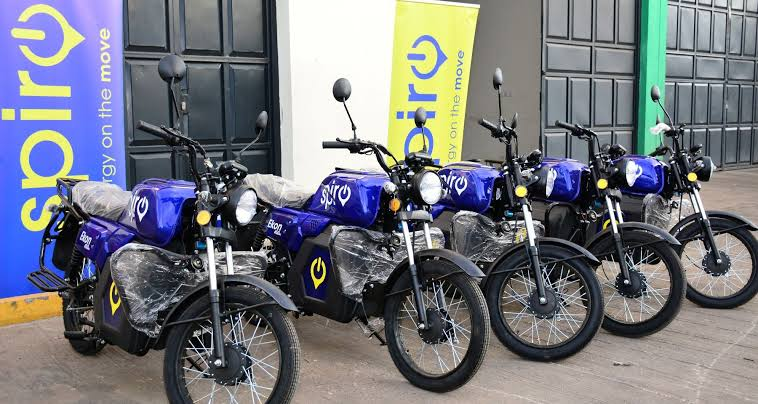
Spiro is facing serious criticism in Kenya as many riders accuse the Nairobi-based electric motorcycle company of trapping them in an expensive, tightly controlled system despite presenting itself as a clean-energy solution for Africa.
The company, which began in 2019 and now has more than 60,000 electric bikes and over 1,200 battery swap stations across the continent, markets its Battery-as-a-Service model as affordable.
But riders say the reality on the ground is very different, with harsh penalties, high repair costs, and strict rules that leave them with no freedom over their own bikes.
Riders explain that the bike’s low purchase price about 95,000 shillings is overshadowed by the fact that the battery never belongs to them.
A single battery can take a rider 80 to 100 kilometers, and a swap costs around 290 shillings. On paper, this should save money compared to petrol bikes.
But many users say the system is built in a way that locks them in and punishes them for circumstances beyond their control.
A major complaint is that if a rider becomes sick, gets into an accident, or is unable to use the bike for a few days, the battery can automatically be marked as stolen.
When that happens, their access to all swap stations is cut off immediately. Riders are then forced to tow the bike to Spiro’s station in Mlolongo at their own expense, even when the issue clearly has nothing to do with theft.
Until they do, the bike becomes completely useless.
Riders also say Spiro holds a monopoly on spare parts. No shops in Kenya sell parts for Spiro bikes, leaving the company as the only supplier.
According to the complaints shared online, the prices are extremely high, with some parts costing up to ten times more than normal.
A simple speedometer, for example, can cost over 15,000 shillings, and after repairs, riders still must tow the bike again to Spiro for re-registration.
Some say that if repairs take too long, the battery gets locked again, trapping them in the same cycle.
Many riders feel the system is designed to keep them dependent, pointing out that they cannot charge the bike at home, cannot buy their own battery, and cannot operate the bike freely without Spiro’s approval.
Others describe frequent breakdowns, slow customer support, and areas with too few swap stations, making daily work unpredictable.
Some people defend the company, saying it creates jobs, reduces pollution, and lowers fuel expenses over time. They point to millions of successful swaps across Africa and Spiro’s large investments meant to expand local production. But even with these benefits, the backlash in Kenya continues to grow.
For many boda boda riders, the promise of cheap, clean transport has been overshadowed by strict controls, high costs, and fear of losing access to their bikes.
Leave feedback about this