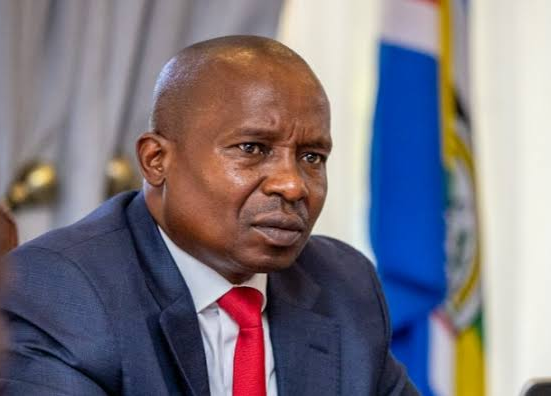


The recent revelation that a beneficiary of the NYOTA program received Ksh19,000 instead of the expected Ksh22,000 has exposed a troubling gap between government assurances and the reality on the ground.
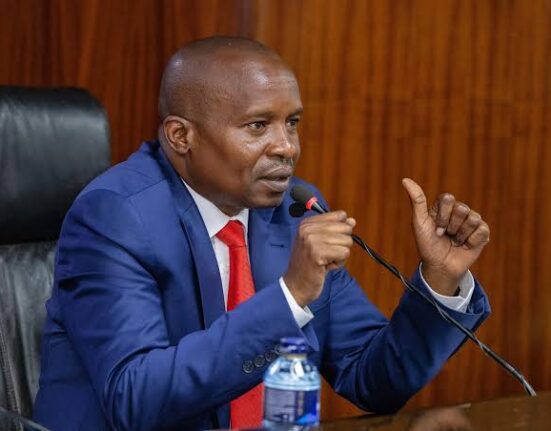
Deputy President Kithure Kindiki’s visibly shocked reaction upon learning of this shortfall underscores a critical failure in a system that is supposed to provide a lifeline to vulnerable citizens. While he has quickly labeled the incident a “technical error” and promised that it will be fixed, the issue raises fundamental questions about the competency and integrity of the disbursement process.
This is not a minor accounting glitch. For a beneficiary who likely depends on this exact amount to meet essential needs, a shortfall of Ksh3,000 can be devastating.
It represents a broken promise from the government, one that shakes the very foundation of trust in social welfare programs. The Deputy President’s surprise, while seemingly genuine, is concerning in itself.
If the second-highest office in the land is unaware of such widespread systemic failures, it points to a dangerous disconnect between the leadership and the actual implementation of its flagship projects.
The prompt dismissal of this as a mere technical problem is a standard political response, but it fails to address the deeper, more alarming pattern of mismanagement.
We have seen similar “technical errors” in other government initiatives, yet the corrective measures have been slow and inconsistent. The public is left to wonder: how many other beneficiaries have been shortchanged?
What is the cumulative effect of these underpayments?
And most importantly, where is the robust oversight that should prevent such errors from occurring in the first place?
This incident is a stark reminder that the true test of governance lies not in grand announcements but in the efficient and accurate delivery of services.
The government’s ability to manage public funds and ensure they reach the intended recipients is a fundamental measure of its accountability. When a program like NYOTA, which is designed to alleviate hardship, becomes a source of frustration and financial strain, it is a direct indictment of the administrative capacity of those in charge.
The Deputy President’s commitment to resolve the issue is a starting point, but it must be followed by a thorough investigation into the root causes of this failure.