
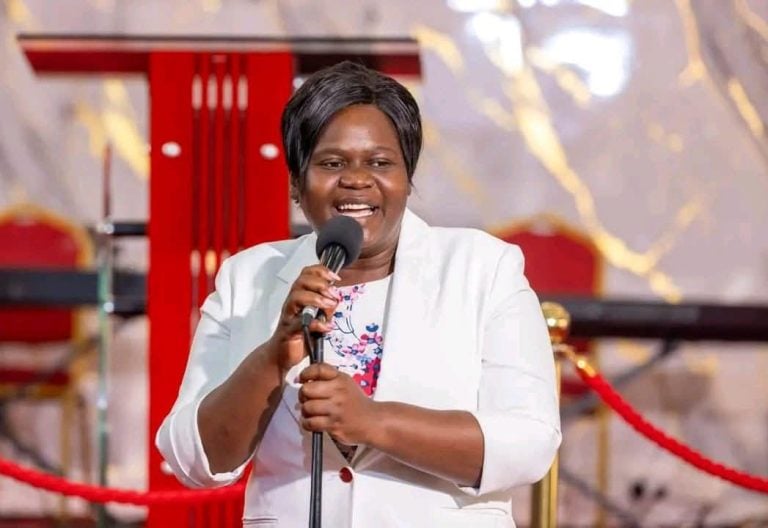
Vincent Opar, a political commentator and analyst, has shared a strongly worded opinion directed at Homa Bay Governor Gladys Wanga, focusing on what he views as ongoing internal political conflicts within the Luo political leadership and their broader impact.
In his statement, Opar argues that repeated political battles within the region have not produced meaningful progress toward higher national influence or the presidency.
He suggests that if the current political direction is not delivering clear gains, then it may be time to rethink strategy and reduce reliance on online supporters who escalate tensions rather than resolve them.
He warns that continued public disputes are weakening leadership cohesion instead of strengthening it.He refers to past political disagreements involving several leaders.
He mentions Raymond, saying there were calls for his removal from office in an attempt to influence financial control, but argues that the outcome did not change the political balance as expected.
He also references Babu Owino’s ambitions for Nairobi politics, stating that efforts to block such ambitions overlook the broader economic opportunities that strong county leadership could create for young people through employment and development programs.
Opar further mentions Winnie Odinga, suggesting she withdrew from active political confrontation, and implies that this did not necessarily create positive political unity.
He also speaks about veteran politician James Orengo, describing him as a respected figure whose legal and political reputation remains strong.
According to Opar, Orengo’s influence continues to shape internal discussions and may slow down attempts to restructure political movements in the region.
A significant part of the commentary also focuses on current tensions involving Member of Parliament Millie Odhiambo. Opar argues that public opinion tends to favour consistent leadership styles and long-term records over short-term political messaging.
He contrasts constituency-level development funds with larger county budgets, suggesting that expectations from county leadership are higher due to the scale of resources available.
He raises questions about development priorities and public perception of performance.
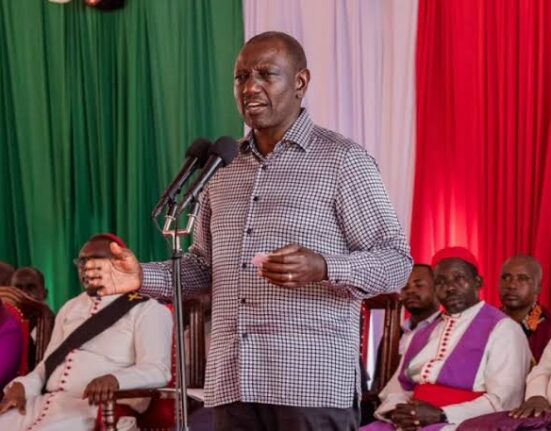
The statement also shifts to national political dynamics, mentioning the Kenyatta family and recent public appearances that are interpreted as politically symbolic. Opar links these developments to political positioning ahead of future elections, suggesting that major political players are already preparing their strategies for upcoming presidential contests.
He argues that smaller internal disputes within regional politics may distract leaders from larger national political realignments.
He concludes by advising political leaders to reduce internal conflicts and instead focus on strategic planning and negotiation. According to him, ongoing rivalries could weaken their collective influence and allow other political groups to shape the national agenda without meaningful resistance.
He warns that continued division may eventually leave some leaders isolated or offered lesser roles after elections, despite earlier efforts and sacrifices.


Leave feedback about this