
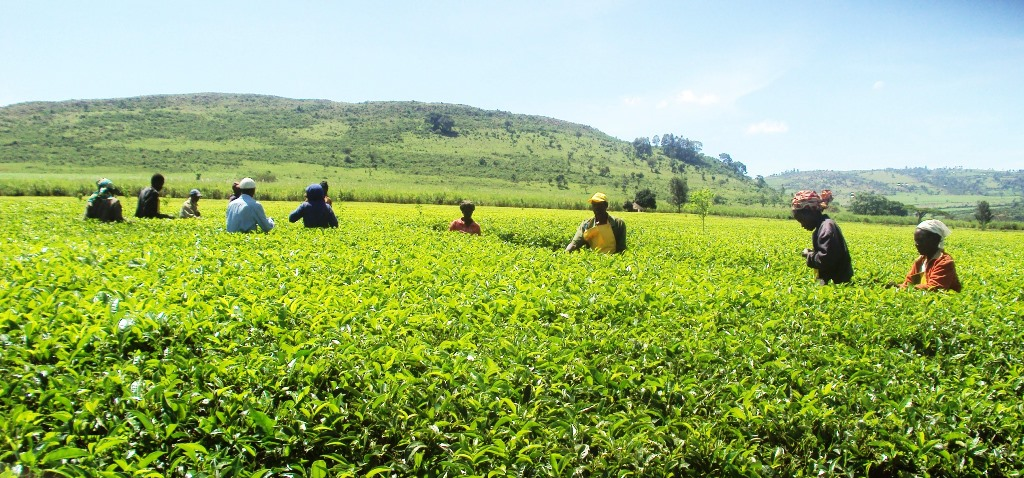
Tea farmers across Kenya are upset after receiving much smaller bonuses this year. Normally, these payments are given once a year in addition to their monthly earnings, but many farmers say the amounts have dropped sharply.
The biggest declines have been reported in the Rift Valley.
In Kericho and Bomet, some farmers earned as little as KES 20 to 30 per kilo, while in parts of Mount Kenya, bonuses reached KES 60 or more.
The wide differences in payments have frustrated farmers, with many asking why the rates are not the same across the country.
Several reasons have been cited for the low bonuses. Some tea factories struggled to sell their leaves at the auction due to high reserve prices, leaving them with less money to distribute to farmers.The quality of the tea also plays a role. Poor-quality leaves attract lower prices, reducing earnings.
High costs of running factories, including transport, electricity, and machinery maintenance, have also cut into profits.
Farmers are concerned about possible deductions from their bonuses to cover factory debts. Many say they were not consulted and are calling for more transparency in how payments are calculated.
Calls are now growing to review the Tea Act, improve the auction system, and ensure all farmers are treated fairly.
Others are urging better support to grow higher-quality tea that can earn higher prices in the market.
The situation has left farmers demanding urgent action to address the disparities and restore confidence in the tea industry.

Leave feedback about this