
A calm afternoon broadcast turned into a moment of national discussion when Citizen TV’s Mashirima Kapombe delivered a report that stirred strong emotions across Kenya.
During the 1pm Swahili news bulletin on November 11, she was covering the disappearance of Kenyan activists Bob Njagi and Nicholas Oyoo, who had been missing for more than a month in Uganda.
Their case had already caused deep frustration among many Kenyans, who felt the government was not doing enough to secure their release.
The two activists had reportedly been detained while attending a public event hosted by Ugandan opposition leader Bobi Wine. Their prolonged disappearance intensified public pressure, with families, human rights organizations, and ordinary citizens calling for urgent action.
Many hoped that continued media attention would push authorities to explain what had happened and why the activists were being held without communication.While presenting the story, Kapombe began to read remarks made earlier by Nandi Senator Samson Cherargei.
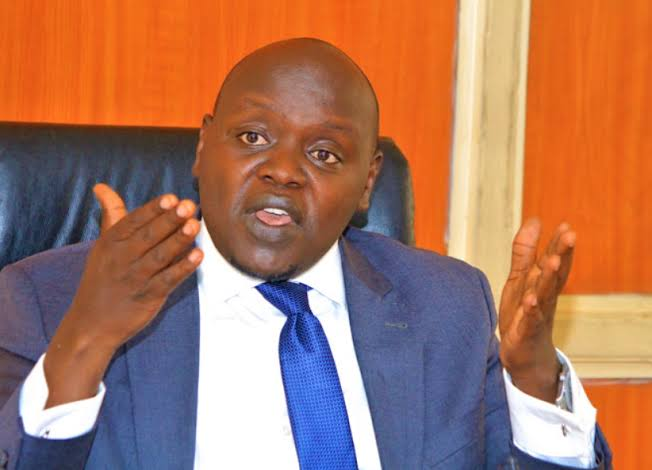
His statement praised Ugandan President Yoweri Museveni and Tanzanian President Samia Suluhu, claiming they were right to “discipline” the two activists.
He argued that leaders in the region should punish Kenyans who travel outside the country to participate in activities he claimed were meant to “export activism.” It was at this moment that the atmosphere in the Citizen TV studio shifted.
Kapombe paused briefly, showing visible discomfort as the weight of the senator’s words settled. The pause surprised viewers, who immediately sensed her reaction to the tone and content of the remarks.
After a short silence, she played a video clip of Cherargei speaking. Once it ended, she responded calmly but with clear intent. She reminded viewers that sometimes remaining silent can show more wisdom than speaking carelessly.
The message was subtle but powerful, and viewers across the country quickly understood its meaning.The moment gained traction online within minutes. Kenyans on X and Facebook shared clips of her reaction, applauding her professionalism and courage. Many felt she had spoken for ordinary citizens who were angered by the senator’s comments. They argued that undermining activists sends a dangerous signal, especially when activists often risk their safety to expose injustice, corruption, or abuse of power.Human rights groups also expressed concern.
They stated that regional leaders should work to protect freedoms instead of encouraging the punishment of dissenting voices. They reminded leaders that activism is a vital part of any democratic society, and silencing it only weakens accountability.
Despite the backlash, Senator Cherargei did not retract his remarks. He insisted that the activists should have respected the laws of Uganda and avoided what he claimed was unnecessary political involvement. For many Kenyans, this response added to the frustration, as it appeared to dismiss the gravity of the activists’ disappearance.
The incident involving Kapombe highlighted a wider debate on free expression, state power, and the treatment of citizens beyond Kenya’s borders.


Leave feedback about this