
Tanzania is facing growing unrest after its October 29 General Election, with protests spreading across several towns and regions.
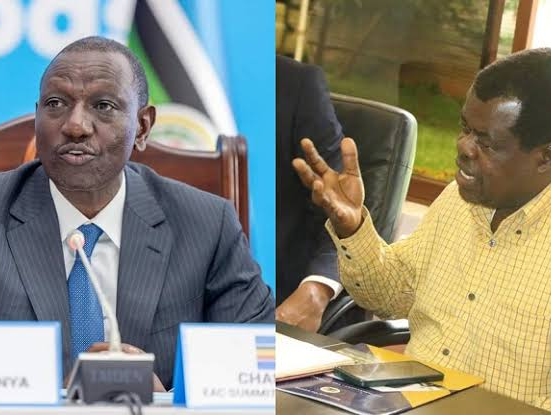
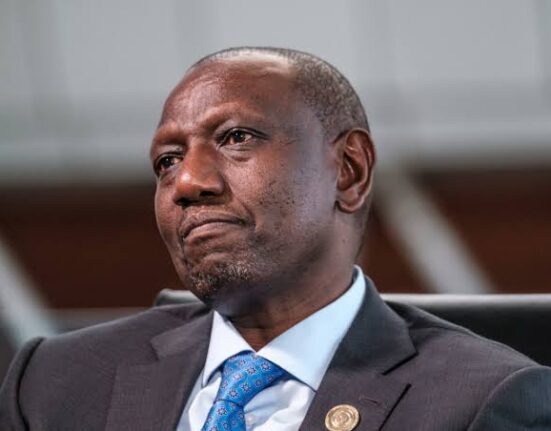
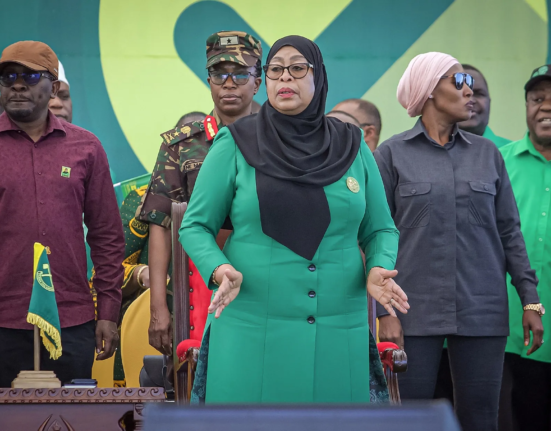
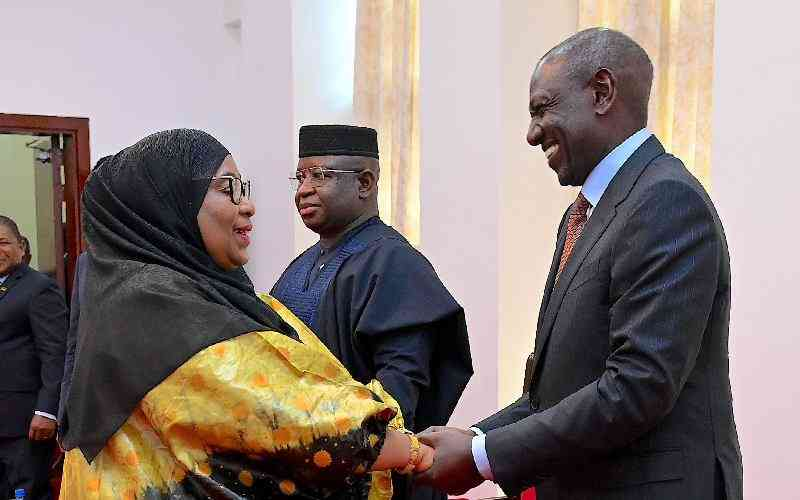
Tension remains high as media reports claim that President Samia Suluhu Hassan held separate phone conversations with Kenyan President William Ruto and Ugandan President Yoweri Museveni.
The discussions are said to have taken place on the evening of October 30, as the country’s post-election crisis threatens to destabilize the East African region.
Though details of the conversations remain unclear, it is believed Suluhu reached out to seek diplomatic backing from key East African Community leaders amid mounting domestic and international pressure.
Reports from African Intelligence indicate that Suluhu has avoided contact with Western embassies, choosing instead to keep her next steps secret.
This silence has raised eyebrows within the international community, especially as violence continues to grip Tanzanian cities.
Protesters have accused the government of suppressing democracy after opposition leader Tundu Lissu was jailed and another top opposition candidate was disqualified from the race.
These developments have fueled anger among citizens who feel that the elections were manipulated to guarantee Suluhu’s victory.
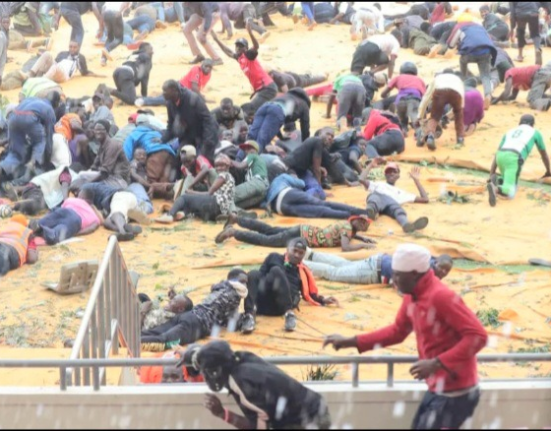
Since Wednesday, chaotic scenes have been witnessed across the country as protesters clash with police. In major cities like Dar es Salaam, Dodoma, and Mwanza, security forces have been deployed heavily, blocking roads and patrolling neighborhoods.
Tear gas and live bullets have been used to disperse angry crowds, leading to injuries and fatalities. Gunfire has echoed through Mwanza while Dodoma, the capital, has seen confrontations between demonstrators and the police.
Reports on casualties differ widely, with local authorities admitting to several deaths while opposition figures claim that close to 700 people have been killed during the unrest.
The protests have not been contained within Tanzania’s borders. In the Namanga area along the Tanzanian-Kenyan frontier, tension escalated when some Kenyan nationals were reportedly shot during cross-border confrontations.
The violence has drawn international concern, with the United Nations human rights office issuing a statement from Geneva through spokesperson Seif Magango.
The UN expressed alarm over the use of live ammunition and excessive force by Tanzanian security forces, confirming that at least 10 people had died and several others were injured during the demonstrations.
The agency urged Tanzanian authorities to respect human rights and avoid the unnecessary use of lethal weapons.
Meanwhile, the government’s response has included an internet and communications blackout that began on election day. The move has limited the flow of information and made it difficult to document abuses or verify reports from the ground.
Journalists, both local and international, have faced harassment, censorship, and arrests. Among those detained is Kenyan journalist Shoka Juma from Nyota TV, who was reportedly arrested at the Lunga Lunga border while attempting to observe the unrest.
Uncertainty surrounds President Suluhu’s next course of action. Her silence toward Western nations, coupled with her outreach to regional allies, suggests she may be seeking regional rather than global mediation.
Tanzanians continue to demand justice and transparency, while the government struggles to contain growing anger and restore calm across the nation.