
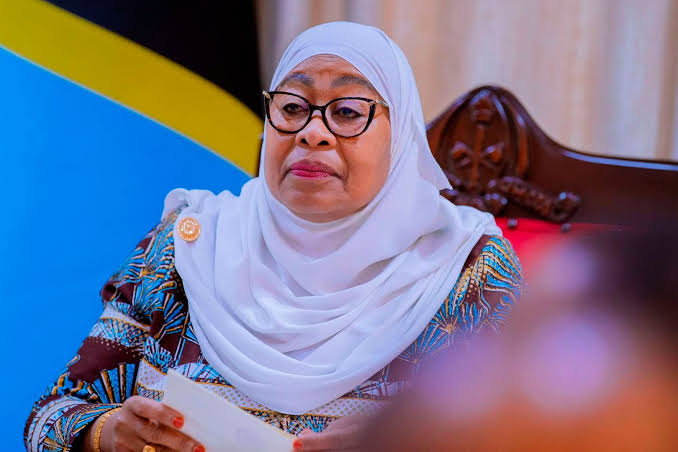
Tanzania is facing a tense and uncertain moment after the announcement of President Samia Suluhu Hassan’s landslide victory in the recent general election.
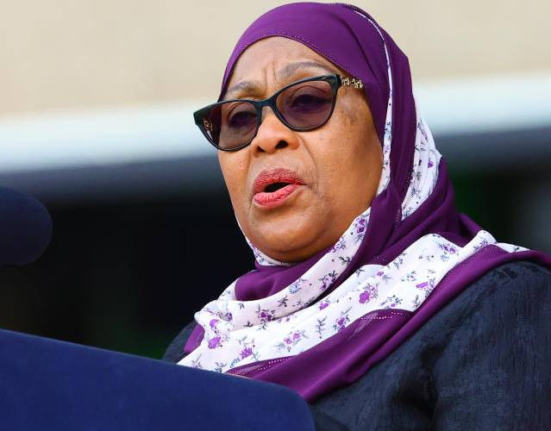
The country’s electoral commission declared on Saturday, November 1, 2025, that Hassan had secured nearly 98 percent of the total votes cast, granting her another five-year term to lead the East African nation of about 68 million people.
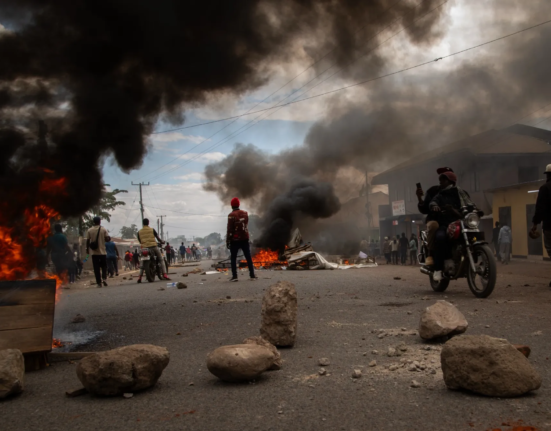
However, the announcement has not been met with calm. Instead, it has triggered widespread protests, anger, and violence across several regions of the country.
The unrest began soon after the October 29 vote for president and parliament, which many citizens and opposition groups claim was neither fair nor transparent.
Witnesses reported that protesters took to the streets in cities such as Dar es Salaam, Mwanza, and Dodoma, demanding accountability from the electoral commission.
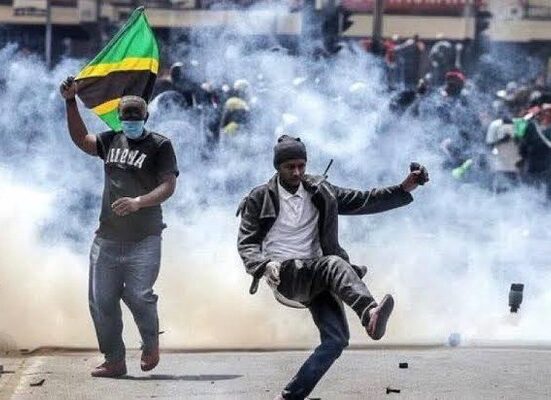
Angry crowds were seen pulling down banners bearing Hassan’s image, burning government offices, and clashing with police.
Security forces responded with teargas and gunfire to disperse demonstrators, deepening the chaos that has gripped the country since election day.
The opposition has accused the electoral commission of deliberately blocking two of Hassan’s strongest rivals from running, claiming the move was politically motivated to ensure her victory.
This decision, according to opposition leaders, denied Tanzanians a genuine democratic choice and weakened the credibility of the electoral process.
On Friday, October 31, Tanzania’s main opposition party reported that hundreds of people had been killed during the demonstrations, painting a grim picture of the situation on the ground.
While government officials have remained largely silent on the exact number of casualties, the United Nations human rights office has confirmed receiving credible reports that at least ten people were killed in three major cities.
The organization has called for calm and urged Tanzanian authorities to respect the rights of citizens to protest peacefully. Several international observers and human rights groups have also voiced concern about the government’s heavy-handed response, warning that the excessive use of force could further destabilize the country.
President Samia Suluhu Hassan’s victory marks the continuation of her rule, which began in 2021 following the death of her predecessor, John Magufuli.
While she has often been praised for her diplomatic leadership and efforts to open Tanzania’s international relations, her administration has faced criticism over restrictions on opposition parties, media censorship, and the shrinking space for dissent.
The post-election unrest now threatens to overshadow what the ruling Chama Cha Mapinduzi party had hoped would be a moment of triumph.