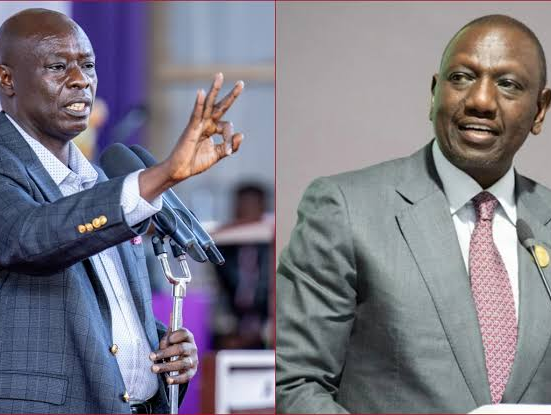

The latest report from the Office of the Controller of Budget, Margaret Nyakang’o, has revealed troubling spending patterns at the Executive Office of the President.
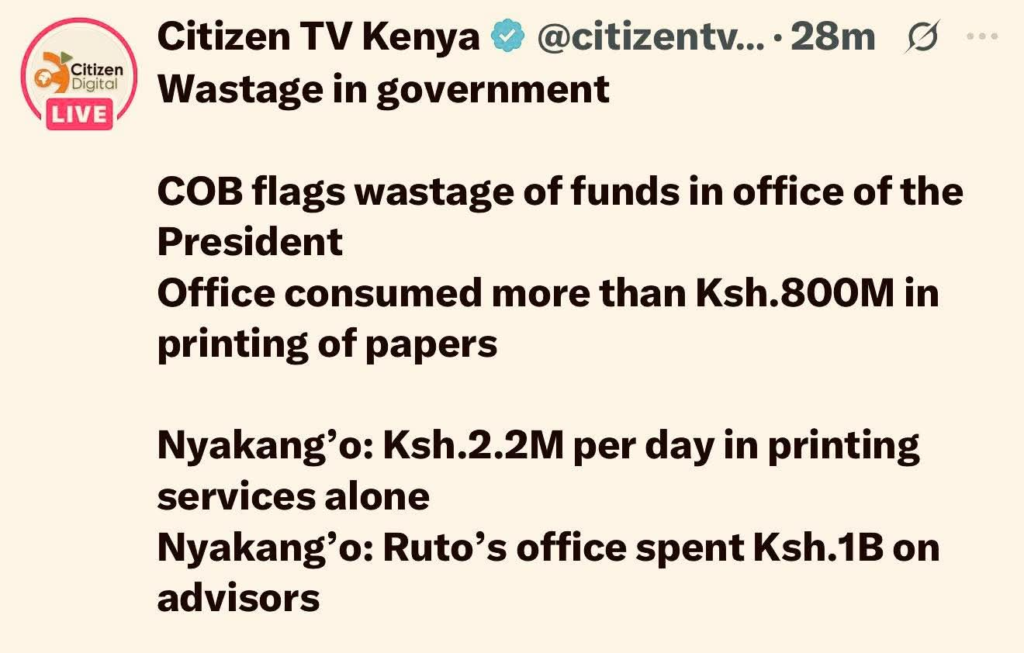
According to the National Government Budget Implementation Review Report for the financial year 2024–2025, Harambee House spent an average of Ksh.2.2 million per day on printing services alone, totaling Ksh.817 million over the year.
The expenditures were meant to cover printing of government policies, executive orders, directives, proclamations to MDAs, performance contracts, bi-weekly press statements, and communications during crises, among other official documents.
The cost was further increased by high-quality invitations required for the large number of guests attending State House events with the president.

Beyond printing, the report revealed that the office spent Ksh.1.9 billion on general administration, planning, and support services, and Ksh.765 million on leadership and coordination services.
However, there was no detailed breakdown of expenses related to construction and refurbishment projects, which have seen some officers move to higher floors in the building.
A significant portion of the budget, Ksh.1 billion, was allocated to government advisory services.
The report detailed specific allocations, including Ksh.62 million for Kenya–South Sudan advisory services, Ksh.46 million for the Power of Mercy advisory, Ksh.450 million for counter-terrorism advisory services, Ksh.97 million for economic and social affairs advisory, Ksh.150 million for strategic policy advisory, and Ksh.251 million for public entities oversight.
These figures show that President William Ruto’s office has continued to expand its advisory team, now totaling 20 members under the Kenya Kwanza administration.
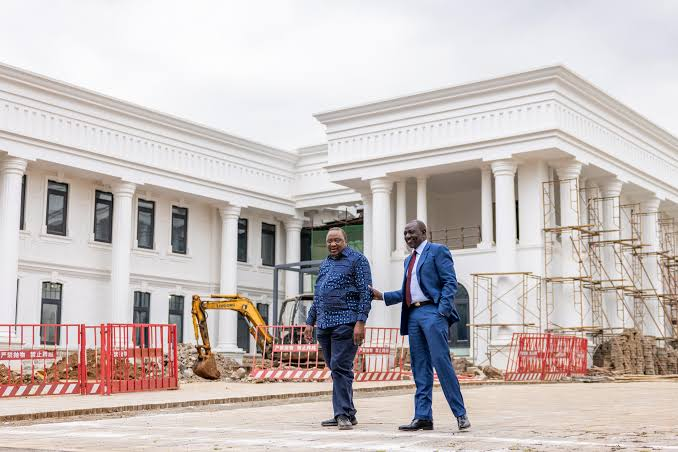
The report also highlighted ongoing refurbishments at State House Nairobi, specifically the House on the Hill, which has consumed Ksh.1.17 billion since construction began.
The refurbishment, currently at 66% completion, is projected to continue until 2027, with costs expected to surpass even the original construction expenses.
A recent tour by President Ruto with former President Uhuru Kenyatta gave a glimpse of the scale of works underway, showing how the project has effectively turned the site into a full-time construction zone.
These revelations come despite government pledges to reduce wasteful spending and address budget deficits.
The overall budget for the year stood at Ksh.4 trillion, yet the report indicates significant allocations in areas that many would consider avoidable or excessive.
From daily printing costs of millions of shillings to multi-billion-shilling refurbishments and costly advisory services, the spending patterns raise questions about fiscal discipline and the prioritization of public resources.
The report paints a picture of a government that, instead of curbing unnecessary expenditures, appears to have accelerated them.
With ongoing investments in advisory services, lavish administrative spending, and large-scale construction projects, the findings underline the need for closer oversight and accountability at the highest levels of government.
This level of expenditure is particularly striking when set against the backdrop of Kenya’s broader economic challenges and public calls for prudent use of taxpayer money.