

Gang violence, food shortages, and human suffering continue to grip Haiti as the crisis deepens, drawing urgent concern from world leaders and humanitarian agencies.
Over the weekend, the country’s government declared a three-month state of emergency across the West, Artibonite, and Center departments in an effort to counter the worsening insecurity and address a growing agricultural and food crisis.
These areas, especially Artibonite, are known as Haiti’s rice basket, but in recent years they have become prime targets for armed gangs.
Farmers have been killed or driven from their land, entire villages have been destroyed, and food production has collapsed, leaving many residents dependent on aid.
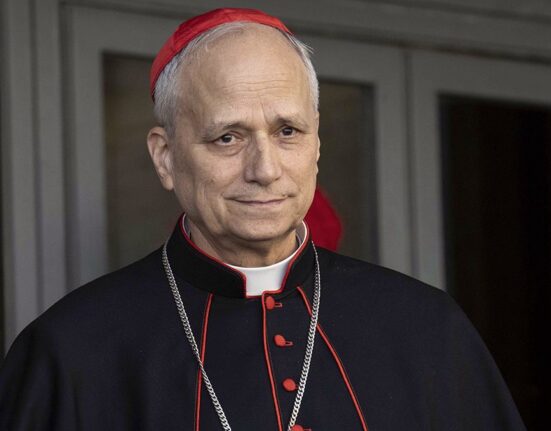
Pope Leo, speaking on Sunday, described the situation as increasingly desperate. He cited alarming reports of murders, kidnappings, human trafficking, and forced exile, and made a direct plea for the immediate release of all hostages.
He also called on the international community to take concrete steps to create social and institutional conditions that would allow Haitians to live in peace.
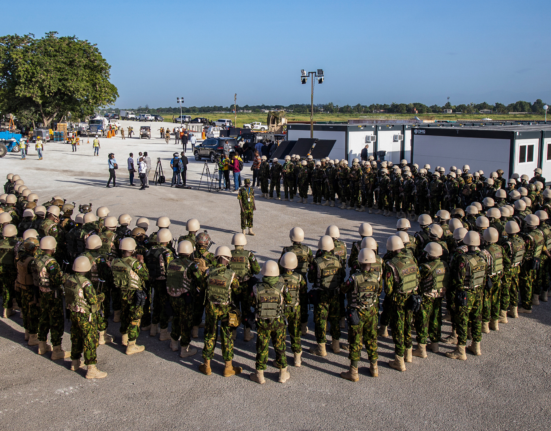
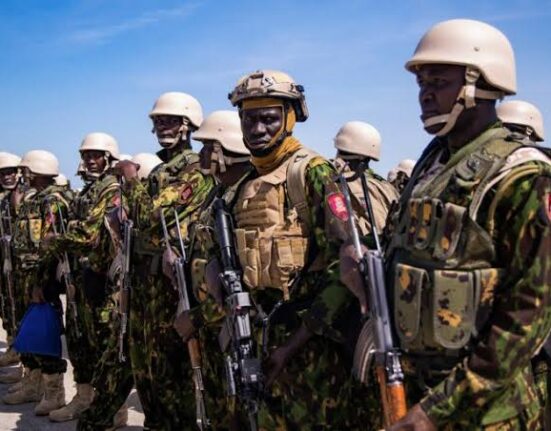
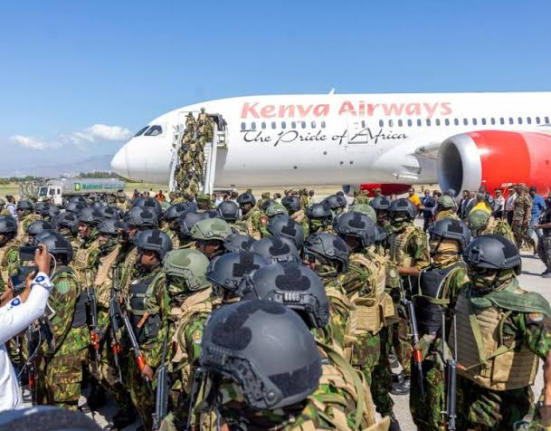
His appeal comes at a time when Kenya’s police deployment to Haiti is under mounting pressure, with the escalation in violence threatening to undermine the multinational security mission they are part of.
According to the United Nations human rights office, between October 2024 and the end of June 2025, more than 1,000 people were killed, over 200 were injured, and 620 were kidnapped in the affected areas.
Rights groups warn that if the violence continues at this scale, the progress made by the Multinational Security Support mission could be reversed.
The Haitian government says the state of emergency is intended to strengthen security operations while trying to revive agricultural production, which has been crippled by gang control over key farming areas.
Kenyan police, who are serving under the UN-backed mission, have continued their operations despite the dangerous conditions. MSS spokesperson Jack Ombaka said last week that the Kenyan officers, working with Haitian security forces, have intensified operations in critical zones of the capital, Port-au-Prince.
He noted that these efforts have brought some progress in pushing back gangs, but stressed that more international support is essential if Haiti is to achieve lasting stability.
With violence, hunger, and displacement still affecting thousands, the next few months will be decisive for the country’s future.


Leave feedback about this