
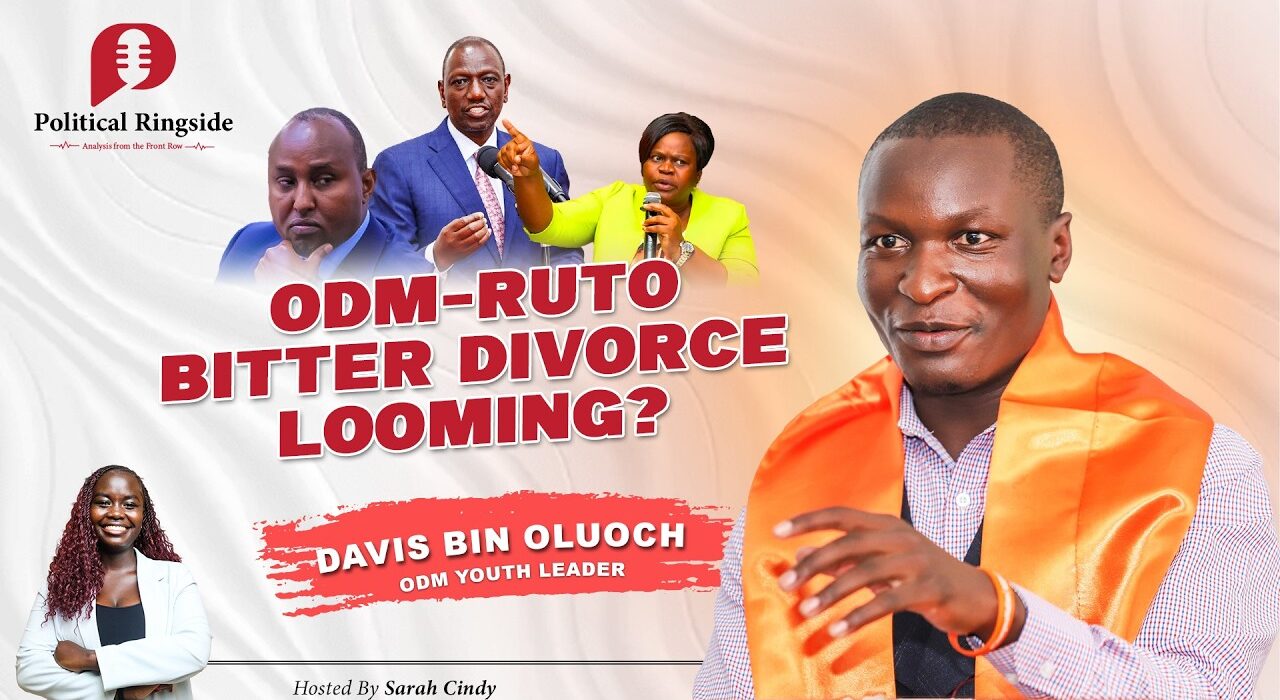
In Kenyan politics, questions are growing about the relationship between the Orange Democratic Movement, or ODM, and the government led by President William Ruto. A recent discussion on Political Ringside brought these issues into focus.
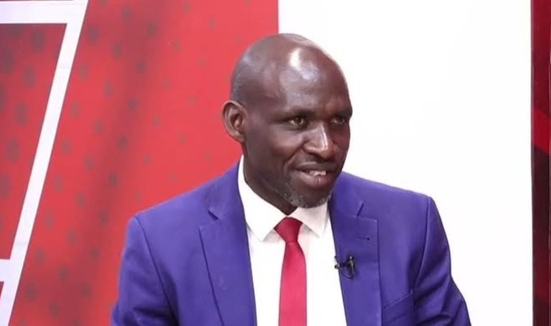
Davis Bin Oluoch, a member of the ODM Youth League and party researcher, joined host Sarah Cindy to talk about whether the two sides are heading toward a serious split.
The conversation started with some background about ODM.
ODM has a long history, going back to 2005. The party has been part of major coalitions over the years, including in the 2007, 2013, 2017, and 2022 elections. It has strong support in certain regions like Nyanza, Western, and the Coast.
But now, with no clear presidential candidate lined up for 2027, people are wondering what path ODM will take. Some members want to support Ruto for a second term, while others prefer to build the party on its own.
Tensions seem to have grown after the 2024 Gen Z protests.
Raila Odinga, helped mediate talks between the protesters and the government. That led to a working arrangement.
ODM even sent some of its people to help in government roles. However, recent ideas about a full coalition have not gone through the party’s National Executive Committee.

This has caused friction inside ODM.
Davis addressed claims of mistrust and even extortion. There have been stories that some ODM figures close to the government received support from State House but later felt it was being withdrawn.
He described these as mostly allegations. Inside the party, there are different groups. One side wants to keep ODM independent and strong.
Another sees value in working with Ruto’s side. Since Raila’s passing, these differences have become sharper, touching on things like who might be deputy president and how to share political space.
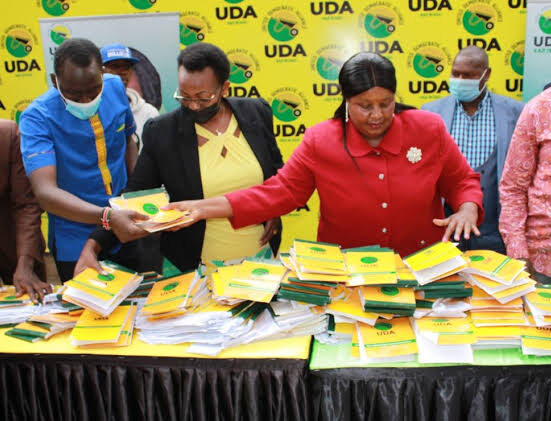
A big part of the talk was about zoning. ODM wants clear agreements so that in its strong areas, its own candidates are not challenged by people from the United Democratic Alliance, or UDA.
Without zoning, votes could split and both sides might lose. Examples came up from places like Mombasa, Kakamega, and Busia.
Davis compared it to how coalitions work in other countries, like South Africa’s government of national unity. He said ODM needs to protect its bases while still talking to others.
On the question of who benefits from the current setup, the discussion was honest. UDA holds the presidency, the deputy position, and most cabinet roles, along with access to resources.
ODM brings its structures, members, and loyal regions, but it does not control the government in the same way.
Davis argued that ODM should focus on rebuilding from within. That means working more with youth and women, recruiting new members, training aspirants, and eventually naming its own presidential candidate.
Only then, he said, can the party negotiate from a position of strength.
On the 2027 issue, Davis gave rough chances: about 40 percent for going it alone, 40 percent for some deal with Ruto, and 20 percent for joining a wider opposition group.
Names like James Orengo and Edwin Sifuna came up as possible leaders. There is also worry that ongoing divisions could push some people to form new parties.
Davis encouraged the youth to get involved and aim to mobilize millions of votes. He believes Kenya could see a younger president in the future if the next generation steps up.