
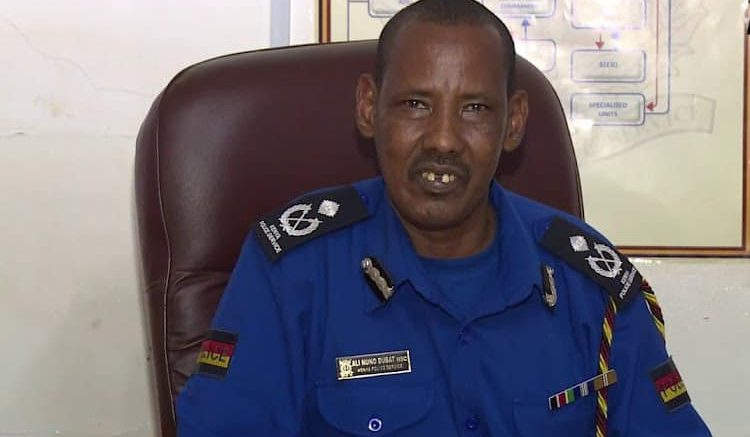
Security agencies in Mombasa are moving to take firmer action as violent crime linked to gangs continues to worry residents across the city.
Police leadership at the Coast has now given officers clearer authority to respond forcefully when faced with armed criminals, especially those using machetes and other crude weapons to threaten people.
The Coast Regional Police Commander, Ali Nuno, said the police will no longer hesitate when criminals put lives at risk.
He explained that officers are allowed to use firearms only in situations where there is real danger to civilians or to the police themselves.
According to him, the goal is not to punish but to protect innocent people who have been living in fear because of rising attacks.
Commander Nuno spoke after several violent incidents that have shaken different parts of Mombasa. In recent weeks, gangs have been targeting residents, shop owners, and even private security guards during daylight hours.
Some criminals operate openly, moving in groups and using fear to control neighborhoods. Police say this has forced them to rethink how they respond to such threats.
A recent operation in Likoni showed the impact of tougher policing. Two suspected thieves were fatally injured during a confrontation with officers, and soon after, residents reported a noticeable drop in crime in the area.
Since then, police patrols have been increased, and surveillance has been expanded in places considered high risk.Mombasa is believed to have more than 70 active gangs, according to a 2025 survey by the National Crime Research Centre.
Groups such as Panga Boys, Wakali Kwanza, Team Sixty Nine, and 40 Brothers are said to be among the most active.
These gangs often work in groups of between 10 and 20 people, carrying machetes and other weapons as they carry out robberies and muggings.
The police commander also raised concern about repeat offenders. He noted that some suspects are released on bond and quickly return to crime.
In one example, a suspect who was released on a bond of Ksh10,000 reportedly went back to criminal activity almost immediately.
This, he said, makes it difficult for police to maintain long-term order on the streets.
Areas such as Likoni, Kisauni, Mvita, Nyali, and Tononoka have been listed as hotspots. Residents in these neighborhoods have reported shop raids, street attacks, and assaults on guards.
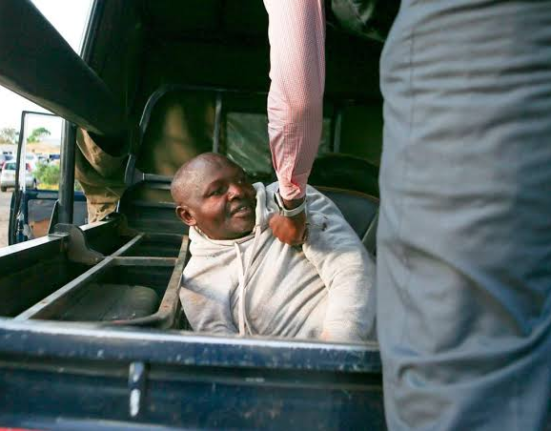
In January 2026, two men were arrested in Tononoka after they attacked a security guard using crude weapons, adding to public anger and fear.
Past incidents show how serious the problem has been. In January 2025, three gang members were linked to the murder of an IEBC official in Kilifi.
In November 2024, a boda-boda rider in Bamburi Mwisho had his hand cut off by youths armed with machetes, an incident that shocked the country.
Police say arrests of gang leaders, including Abdulkadir Mohamed of the Kibokoni Panga Boys, have helped weaken some groups. Commander Nuno insists that continued operations and firm action are necessary.
He has made it clear that Mombasa will not offer safety to violent gangs, and that the new directive is meant to restore calm and protect law-abiding residents.




Leave feedback about this