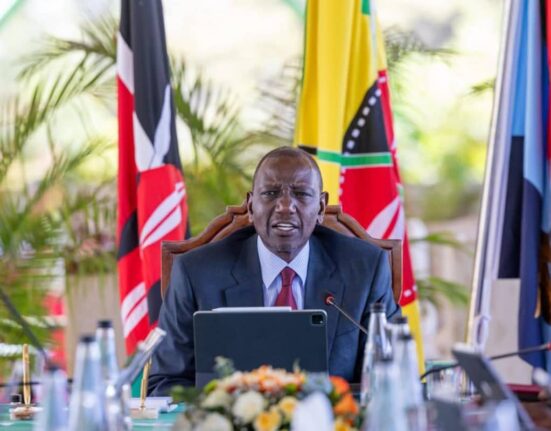

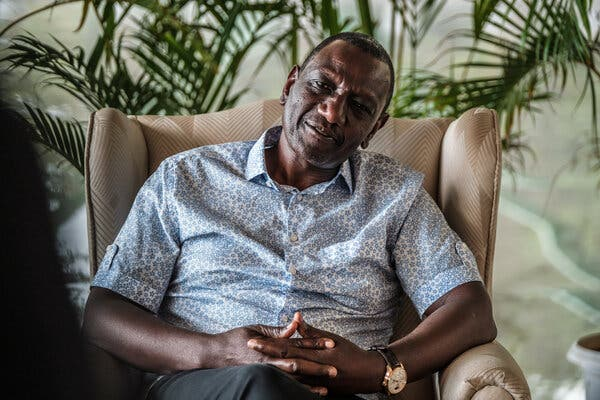
The exposé by The New York Times reveals that the Kenyan government under President William Ruto is directly connected to a labor-export system that puts vulnerable citizens in danger, especially poor women who travel to Gulf countries for domestic work.
Instead of protecting its people, the government is accused of supporting a system that exposes workers to serious abuse, exploitation, and in the worst cases, death.
According to the exposé, the administration has weakened key worker protections to make it easier for recruitment agencies to send people abroad. Some of these agencies are said to be owned or controlled by politicians close to the president, including individuals within his inner circle.
This creates a clear conflict of interest. The same people meant to protect citizens may be benefiting financially from sending them overseas.
Critics argue that the government treats migration as a business rather than a human responsibility. Because remittances from Kenyans working abroad bring significant income into the country, officials may prioritize money over safety.
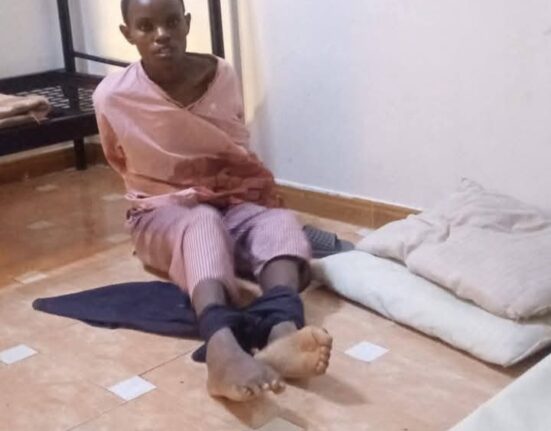
The workers most affected by this system are Kenyan women who travel to Saudi Arabia and other Gulf nations to work as housemaids.
Many leave home after being promised decent pay, fair treatment, and a chance to improve the lives of their families. But when they arrive, countless women face harsh conditions.
Reports describe long working days that can last more than sixteen hours, no rest, and constant surveillance. Employers may take away their passports, restrict their movement, and cut off their communication with family members.
Many women speak of physical beatings, sexual assault, verbal abuse, and degrading treatment. Some recruitment websites even show photos of women with an “add to cart” button, reducing human beings to products that can be purchased.
The exposé also highlights that hundreds of Kenyan women have died in the Gulf under these conditions. Many tried to seek help from Kenyan embassies, but according to families and survivors, diplomats often failed to respond or even dismissed their pleas.
Some families were forced to pay large amounts of money to bring home the bodies of their loved ones. Others describe humiliating experiences when dealing with officials who were supposed to help. These stories raise painful questions about why a government that profits from sending workers abroad does so little when they are harmed.Critics say the labor-export system has become deeply rooted within the current administration.
Agencies connected to political allies earn money from the process, while the government continues to lower protections instead of strengthening them.
Diplomatic missions in host countries also appear overwhelmed or unwilling to challenge abusive employers. The Gulf’s Kafala sponsorship system, which ties workers to their employers, makes these women even more vulnerable.
Human rights groups, including Amnesty International, are demanding major changes to Kenya’s labor-migration policies. They call for ethical recruitment, stronger safety measures, and legal action against corrupt officials and agencies.
Many Kenyans now see how a hopeful opportunity to work abroad has turned into a cycle of exploitation, fear, and abandonment. If the findings of the New York Times exposé are accurate, the Ruto administration faces a serious moral and political crisis for failing those who needed protection the most.