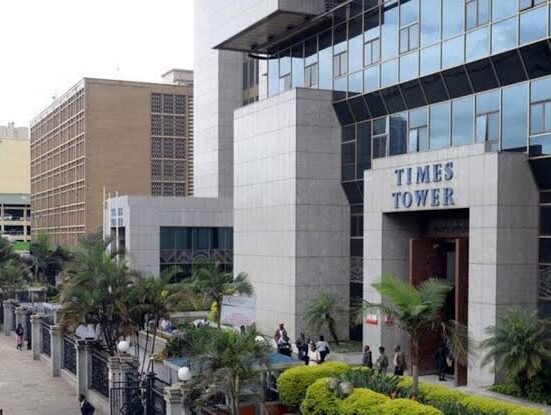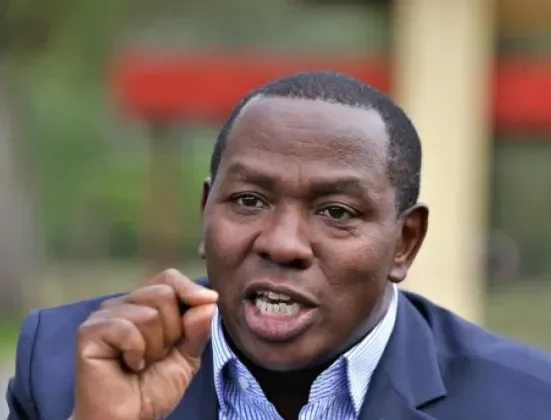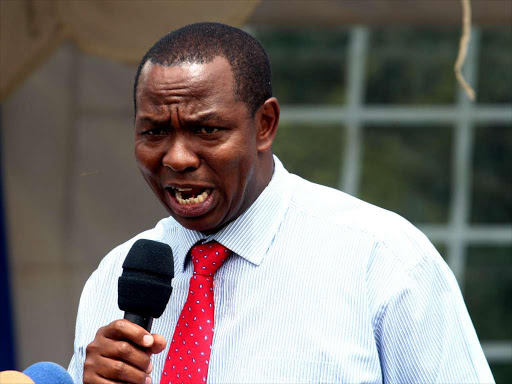

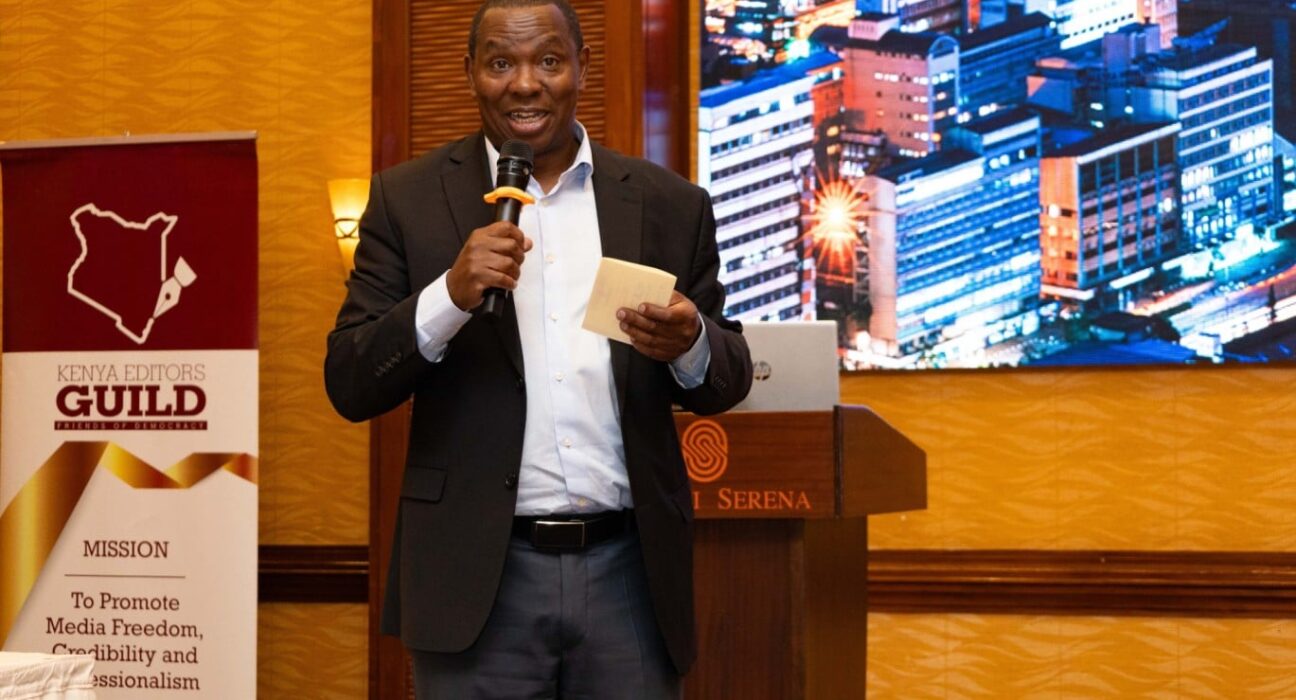
Ndiritu Muriithi’s time as chairman of the Kenya Revenue Authority board has done little to quiet questions about whether he is the right person to lead Laikipia again.
He took up the role in late 2024 after serving one term as governor and losing the 2022 election. Since then, the tax agency has continued to face familiar problems that raise doubts about the quality of oversight at the top.Revenue collection has struggled to stay on course.
In the first quarter of the 2025/2026 financial year, KRA missed its target by nearly Sh50 billion. Later figures showed the shortfall widening to over Sh160 billion in the first nine months.
Ordinary revenue lagged behind projections in several key areas, including corporation tax and PAYE. While the authority has posted growth in some periods and even revised targets downward after earlier difficulties, the pattern of missing marks has persisted.
As board chair, Muriithi sits at the centre of strategy and accountability. The continuing gaps suggest the reforms he has spoken about have not yet delivered the steady results Kenyans expect from the tax body.
An Auditor-General report for the year to June 2025 pointed to further problems. KRA issued tax compliance certificates to more than 3,000 taxpayers who owed about Sh3.12 billion without the required repayment plans or objections on record.
Some certificates were even auto-generated by the system despite existing liabilities. These lapses undermine the integrity of the compliance system and point to weaknesses in internal controls.
Leadership at board level is expected to tighten such processes, yet the findings arrived on Muriithi’s watch.
Under Ndiritu Muriithi’s watch as KRA board chairman, the authority raised the consolidated cargo benchmark from Sh2.5 million to Sh3.2 million in late August 2026, sparking trader protests and business shutdowns in Nairobi that forced President Ruto to step in and order the hike reversed.
These issues at KRA sit alongside his earlier record in Laikipia. As governor from 2017 to 2022, he faced legal challenges from county staff over dismissals and fair administrative action. Community tensions also arose around attempts to revive Ngarua Millers and questions about the handling of a local slaughterhouse. Although the county’s own-source revenue grew during his term, voters rejected him decisively in 2022, giving him roughly 48,000 votes against the winner’s 113,000. That heavy defeat remains a clear public verdict on his first period in office.
Laikipia needs a leader who can deliver practical results on security, livelihoods, and local economic management. The ongoing shortfalls and compliance gaps at KRA do not inspire confidence that the same individual can provide the steady, effective leadership the county requires.
Running for the governorship again while the national tax authority under his chairmanship continues to miss targets and face audit questions only sharpens the contrast.
Past electoral rejection and current institutional difficulties together make a strong case that Muriithi has not shown the consistency or impact needed for the job.