
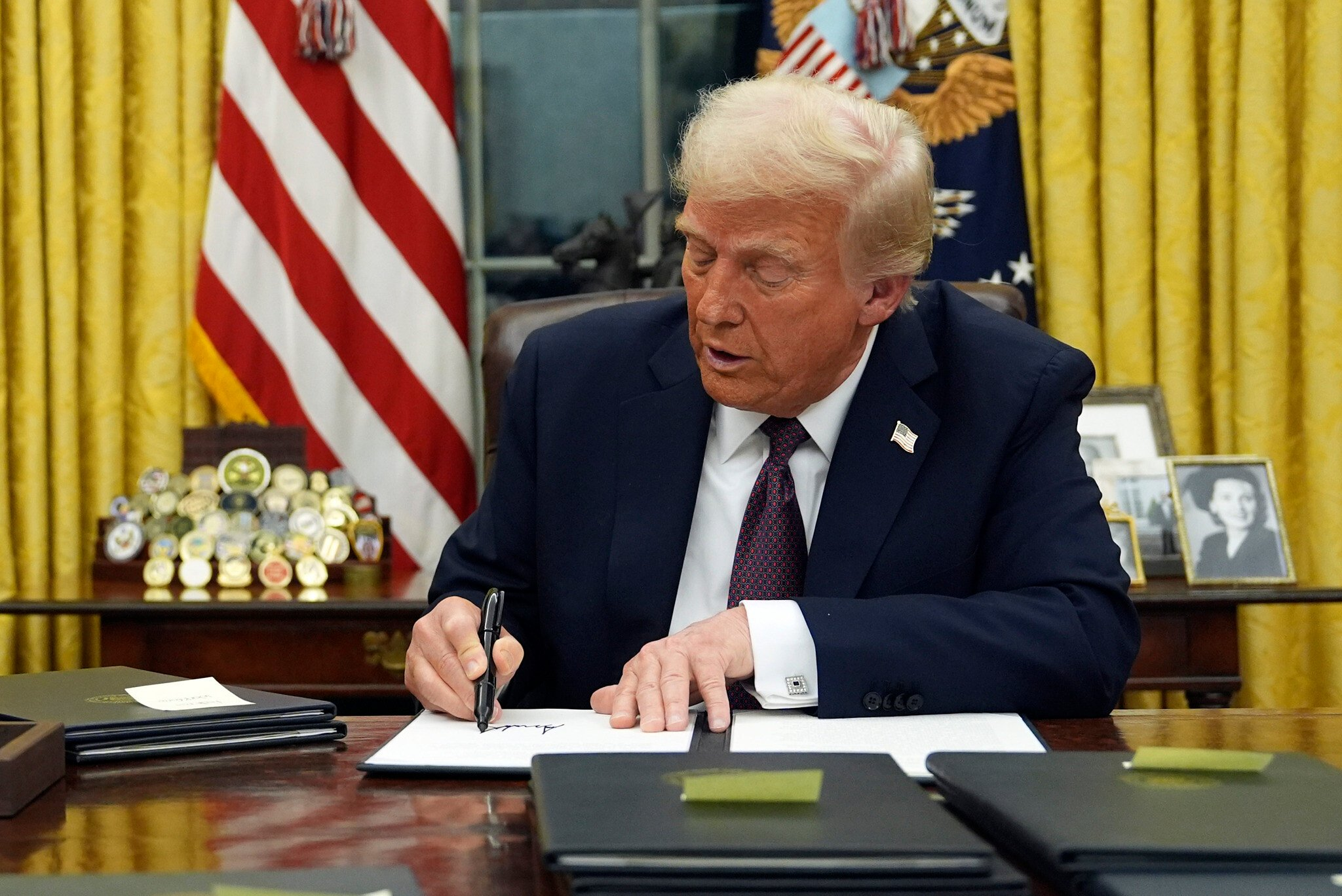
A major shift in diplomatic and financial commitments has placed Kenya’s ambitious Bus Rapid Transit project in a difficult position after recent decisions made in Washington. Soon after returning to office for a second term, US President Donald Trump cancelled a $60 million deal that had been approved by the previous administration.
This move has now thrown the Nairobi BRT programme into uncertainty, creating fresh concerns about the future of urban transport plans that had been years in the making.
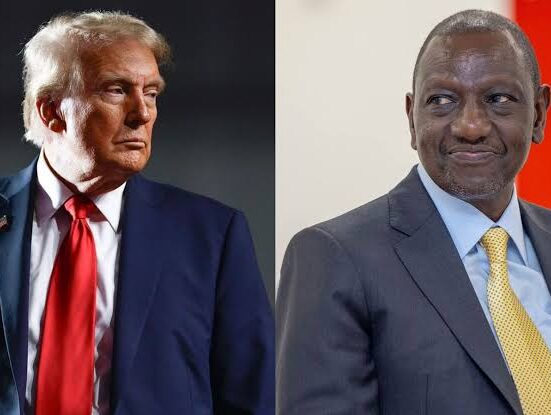
The cancelled funding was part of the Millennium Challenge Corporation Threshold Program, an agreement signed on September 19, 2023, during President William Ruto’s visit to New York. It officially took effect on May 23, 2024, after Ruto’s state visit to the White House.
The programme was supposed to run from January 7, 2024 to June 30, 2027, with the goal of improving urban mobility, boosting economic activity, and providing safer and more climate-friendly transport options for Nairobi’s most underserved communities.
Under the arrangement, the US government through MCC was to provide Sh5.8 billion, while Kenya would contribute Sh1.56 billion.
The MCC grant had been a key part of several agreements reached between Kenya and the US during President Ruto’s state visit.
These deals covered areas such as health, education, climate, trade, and security, but the urban transport programme stood out because it was expected to directly transform daily movement within Nairobi.
The programme was designed to support safer pedestrian routes, gender-inclusive transit options, and the procurement of buses for the BRT network.
It also aimed to strengthen local institutions, support long-term planning, and improve transport accessibility for thousands of commuters who rely on public transport every day.
Treasury documents released recently confirm that the programme is now being terminated.
According to the Sector Budget Proposal Report for the 2026/27 financial year, Kenya has already received a notice of termination.
This development comes as the Trump administration reverses several agreements signed during the Democratic administration.
After his return on January 20, 2025, President Trump moved quickly to roll back US foreign aid commitments, dissolve the United States Agency for International Development, and cut more than 90 percent of foreign aid contracts.
Globally, his government announced plans to eliminate $60 billion in US assistance. In Kenya, the value of contracts already cancelled has now surpassed Sh108 billion.
The impact on the BRT system is significant. The Nairobi BRT project has been one of Kenya’s largest modern transport investments, meant to introduce reliable, faster, and cleaner mass transit options.
With the withdrawal of funds, key elements of the programme are now at risk. Already, delays in funding have slowed progress, with some contractors yet to be paid.
The project includes five major BRT routes, each designed to ease congestion and link Nairobi’s busy residential and commercial zones.
Line 1, known as Ndovu, will run from Limuru through Kangemi and the CBD to Imara Daima, eventually connecting to Athi River and Kitengela.
Line 2, Simba, which was to benefit from MCC support, covers the Rongai–Bomas/Lang’ata–CBD–Ruiru–Thika–Kenol corridor with 10 key stations.
Line 3, Chui, supported by international partners with funding of €320 million, links Tala, Njiru, Dandora, the CBD, and Ngong, and includes plans for 120 electric buses.
Line 4, Kifaru, connects Mama Lucy Hospital to Donholm, the CBD, T Mall, Bomas, Karen, and Kikuyu with support from the African Development Bank.
Line 5, Nyati, covers Ridgeways through Balozi to Imara Daima, costing Sh7.3 billion financed by the Korean Exim Bank.
Each of these lines includes dedicated lanes, modern stations, footbridges, EV-charging areas, enforcement systems, CCTV, and park-and-ride facilities.
The aim has always been to create a safer, cleaner, and more efficient transport system for Nairobi residents. The Transport ministry has already completed the Business Management Centre at Kasarani Depot, which will support operations for Line 2.
However, with the loss of a major funding partner, the long-term future of the BRT project now depends on how Kenya navigates the sudden gap left by the cancelled deal.
Leave feedback about this