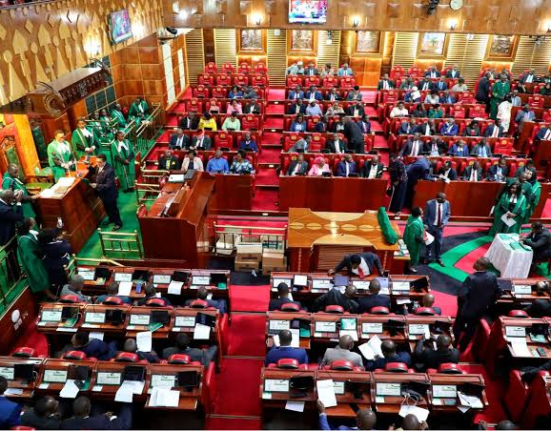

A parliamentary committee has called for major changes to the guidelines that will direct how Kenya’s National Infrastructure Fund spends its money on big infrastructure projects.
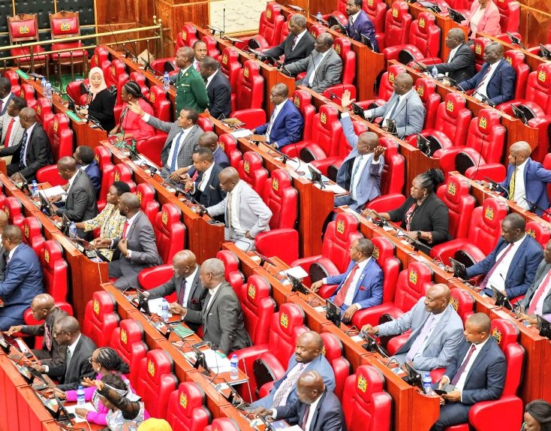
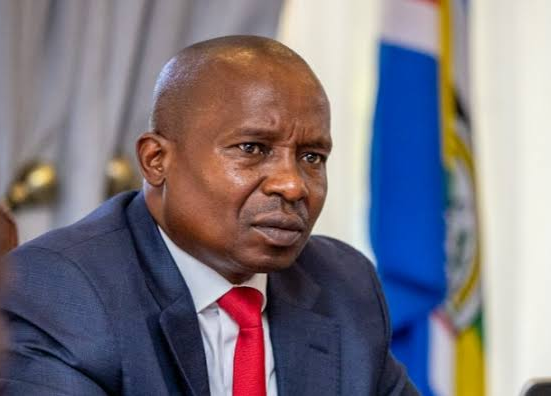
The Finance and National Planning Committee, led by Molo MP Francis Kuria Kimani, looked at Sessional Paper No. 7 of 2026 on the National Infrastructure Fund Investment Policy and found several gaps that need fixing.
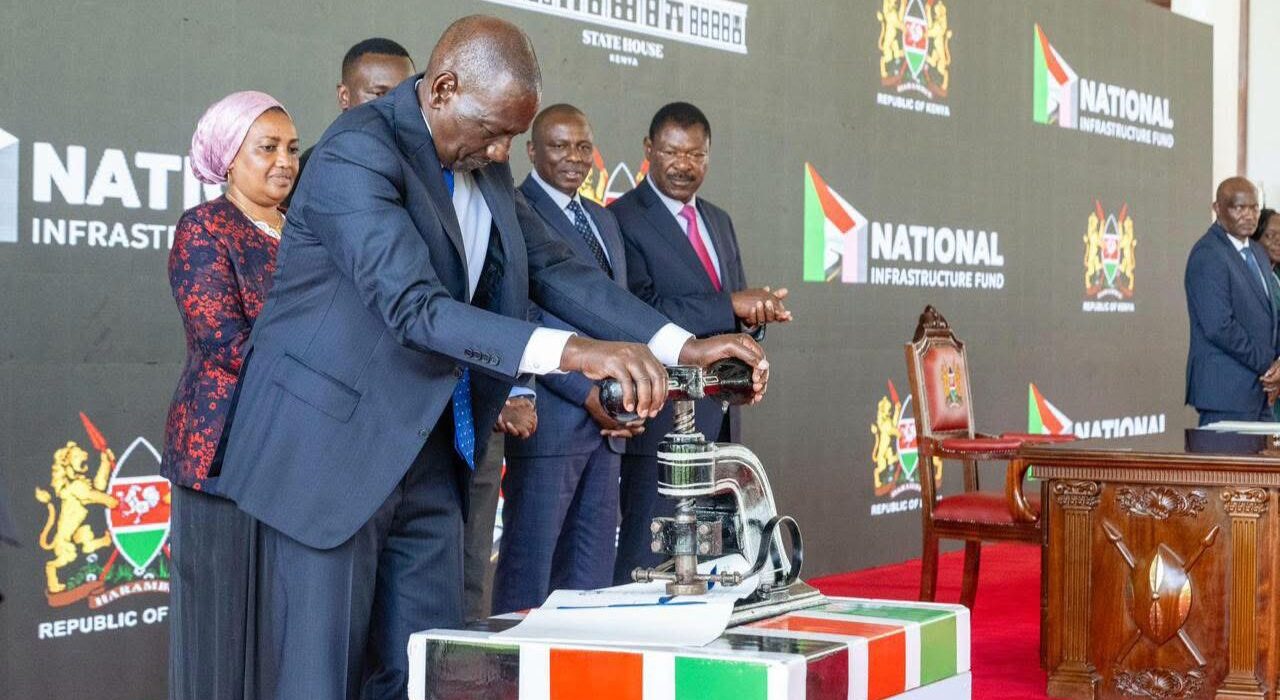
The fund itself was set up earlier this year under the National Infrastructure Fund Act. It started with about Sh340 billion raised mainly from the sale of government shares in companies like Kenya Pipeline Company and Safaricom.
The long-term goal is to grow that money to Sh5 trillion by bringing in private investors so the country can build major projects without relying so heavily on public debt.
The committee says the current investment policy does not give clear enough rules on how the fund’s board should choose and finance projects that are meant to be commercially viable and of national importance.
Members want stronger safeguards to make sure the money is used properly and that risks are kept under control.
They have proposed a series of amendments that would almost rewrite the paper to close those loopholes.
Under the existing framework, the fund is expected to support projects such as national highways, railways, airports, seaports, electricity systems, water reservoirs and related infrastructure. Rules already limit how much can go into any single project or sector, require projects to attract a good share of private debt, and aim for a minimum return on the fund’s own equity investment.
The board is also barred from borrowing against the fund’s own balance sheet.
Even with those limits in place, the committee believes more detailed procedures are needed before the first large disbursements begin.
The changes are meant to guide the board on project selection, risk management and reporting so that public money is protected and private partners can have greater confidence.
The Sessional Paper was earlier approved by the National Assembly as the official investment policy for the fund. The committee’s fresh recommendations now send the document back for revision.
Once the amendments are considered and passed, the updated policy will set the day-to-day rules for how the Sh340 billion seed capital and future private capital will be put to work on infrastructure that can pay its own way.
Officials have said the fund is already looking at possible projects and checking whether they meet commercial standards.
The committee’s move is the latest step in efforts to make the new financing tool more transparent and accountable as it begins operations.