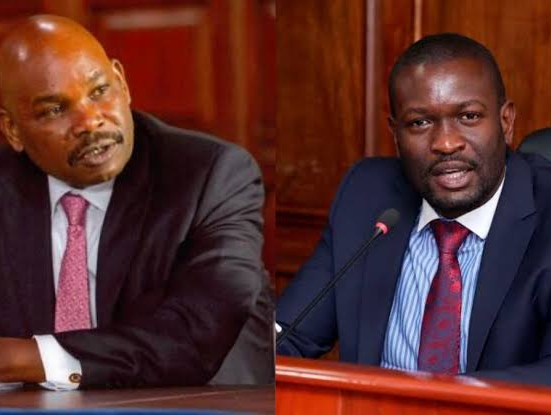

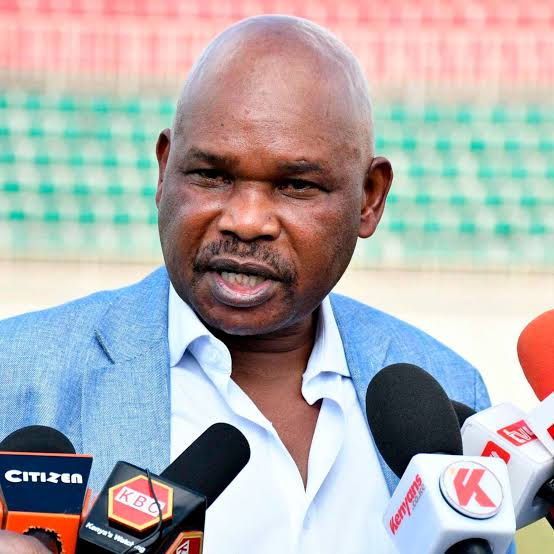
Makau Mutua, a well-known constitutional lawyer and presidential advisor, has confirmed that his monthly earnings as President William Ruto’s Senior Advisor on Constitutional and Human Rights are similar to those of a Cabinet Secretary.
During a televised interview on Citizen TV, Mutua revealed that his pay falls in the range of Ksh700,000 to Ksh800,000.
He initially declined to disclose the exact figure, citing privacy concerns, but later stated, “I am paid the equivalent of a Cabinet Secretary.”

Mutua’s disclosure has reignited debate over the rising cost and transparency of State House’s advisory positions.
Reports indicate that the President’s office now has close to 20 special advisors, many of whom reportedly earn salaries comparable to top government officials.
Critics argue that the growing advisory payroll, estimated to cost taxpayers over Ksh1 billion annually, mirrors the previously controversial Chief Administrative Secretary structure. The CAS positions were struck down by courts, but similar roles appear to have resurfaced in the form of special advisor appointments.

For context, a Cabinet Secretary’s gross monthly salary as of July 2024 is approximately Ksh990,000, which includes basic pay, housing allowance, and market adjustments.
Mutua’s admission has therefore brought attention to the cost of maintaining a large advisory team and the potential overlap of duties, raising questions about efficiency and accountability in public spending.
Mutua himself has a notable political journey. He was once a vocal critic of President Ruto’s administration and played a key role in the Azimio campaign as an opposition spokesperson.
Following the signing of a 10-point Memorandum of Understanding between Ruto and former Prime Minister Raila Odinga, Mutua accepted the advisory role, a move that has attracted mixed reactions.
Many observers have questioned the ideological consistency of his shift from opposition to a senior position within the current government.
In his advisory role, Mutua chairs the committee responsible for compensating victims of protest-related violence, which has further raised his profile in national governance.
He has defended his position, stating that he would only resign if he fundamentally disagreed with the President’s direction. Despite this, public debate continues over the need for transparency in appointments and remuneration. Lawmakers and civil society groups are now calling for a full disclosure of all presidential advisors, their responsibilities, and pay packages.
They argue that such transparency is essential to prevent duplication of roles and ensure that taxpayers’ money is spent responsibly.
The conversation around Mutua’s salary and the broader advisory structure underscores ongoing concerns about government expenditure and accountability.
The public and watchdog institutions are increasingly pressing for clear reporting and justification of these positions to maintain trust in public governance.