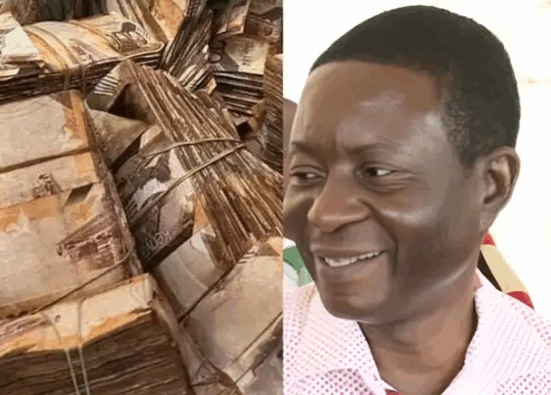

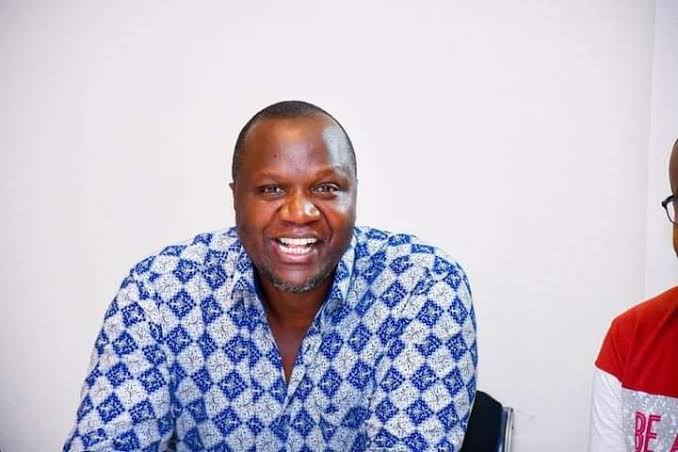
Lawyer Willis Otieno has raised concerns over Kenya’s growing domestic debt, questioning whether the Government has fulfilled its promise that higher taxes would reduce borrowing and restore fiscal discipline.
His remarks have sparked fresh public debate about the country’s economic direction as many Kenyans continue to feel the impact of increased taxation while national debt keeps rising.
According to figures shared by Otieno, Kenya’s domestic debt has increased significantly from KSh 4.3 trillion in September 2022 to about KSh 7.4 trillion today. He also pointed to the country’s total public debt, which has now reached around KSh 13.1 trillion.
These numbers have raised questions about the sustainability of Kenya’s finances and whether the current borrowing trend can continue without placing additional pressure on the economy.
Otieno argued that many Kenyans accepted higher taxes after being told that the extra revenue would help reduce the country’s dependence on borrowing.
The Government had maintained that increasing tax collection would strengthen public finances, improve budget management, and reduce the need to take on more debt.
However, the lawyer said the current situation appears to tell a different story. He noted that despite citizens paying more in taxes over the past few years, domestic borrowing has continued to rise sharply.
In his view, this has left taxpayers carrying a heavier financial burden while the country’s debt obligations continue to grow.
He questioned whether the reasons given for increasing taxes still hold if borrowing continues at such a pace.
Otieno said Kenyans deserve clear and honest answers about how the additional tax revenue has been used and why borrowing remains high despite the increased collections.
According to the lawyer, fiscal responsibility should not only be measured by promises made during policy announcements but also by the actual results seen over time.
He argued that if taxpayers are making greater contributions while debt continues to increase, then there should be greater public scrutiny of the country’s borrowing and spending decisions.
His remarks come at a time when concerns over Kenya’s public debt continue to be raised by economists, business leaders, and members of the public.
Many have warned that rising debt repayments could consume a larger share of government revenue, leaving fewer resources available for essential services such as healthcare, education, infrastructure, and social development.
Others have also called for greater transparency in the management of public finances.
They argue that providing detailed information on government spending, borrowing plans, and the use of tax revenue would help rebuild public confidence and allow citizens to better understand how national resources are being managed.
Otieno maintained that accountability is an important part of sound economic management.
He said the Government should clearly demonstrate that its economic policies are achieving the goals that were presented to the public. In his view, fiscal credibility is built through measurable outcomes rather than repeated assurances.
Otieno’s comments have added fresh attention to the country’s debt levels and the relationship between taxation, borrowing, and public accountability.
His statement is likely to remain part of the wider conversation as Kenyans continue to seek answers on how public resources are being managed and what steps will be taken to ensure long-term financial stability.