
Members of the National Assembly have raised serious concerns over the management and impact of the Equalisation Fund and the Appropriation Fund, questioning the role of the Deputy President’s Office and the Intergovernmental Budget and Economic Council (IBEC) in what they described as a constitutional mismanagement.
The debate unfolded during a Budget and Appropriations Committee sitting in Mombasa, where lawmakers scrutinised the fund’s performance and accountability.
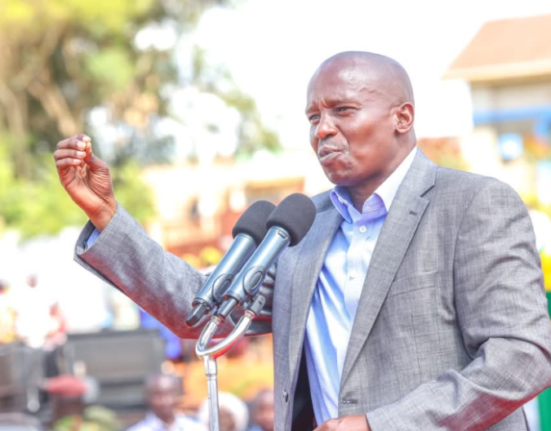
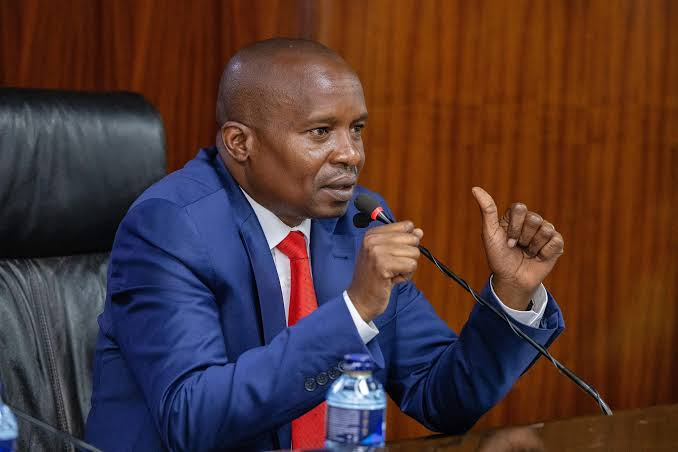
Eldas MP Adan Keynan argued that the Equalisation Fund, created 15 years ago to uplift marginalised counties, has largely failed in achieving its goals.
He pointed out that although Sh60 billion has been allocated to the fund since its inception, only Sh13 billion has been released to the intended counties.
By June 2024, arrears had reportedly reached Sh46.2 billion, raising questions about the efficiency of the fund and its true benefit to communities.
Keynan criticised the expansion of the fund from 14 to 34 counties, saying it diluted the original focus and allowed room for misuse.
He cited his own experience, noting that his constituency only received its first kilometre of tarmac this year despite his 28 years in Parliament.
Other lawmakers shared similar frustrations. Jororok MP Michael Muchira called for an audit of the fund, arguing that transparency was urgently needed.
Laisamis MP Joseph Lekuton questioned why allocations to the fund are often reduced during supplementary budgets, claiming the cuts happen without proper explanation.
These criticisms suggest growing distrust among members of Parliament over how the fund is administered and monitored.
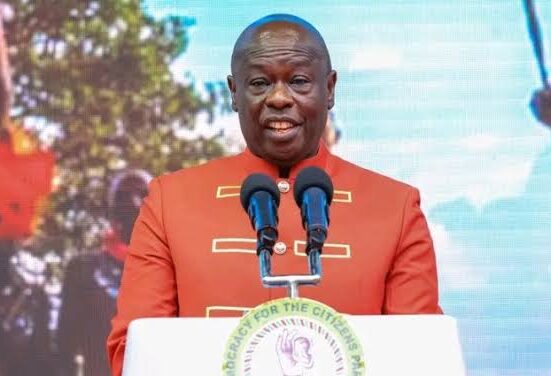
Dr Gabriel Lagat, head of IBEC, admitted that the fund has faced operational challenges, including low absorption of resources, which makes it vulnerable to reductions.
He warned lawmakers to consider the future of the fund as its constitutional lifespan ends in four years.
Lawmakers also criticised IBEC for pushing projects like County Aggregation and Industrial Parks (CAIPs) without adequate research, pointing to stalled initiatives in counties such as Nyandarua.
Lagat confirmed that only 13 projects have received funding so far, with 10 more planned for this year.
Budget Committee chair Samuel Atandi highlighted that delays in fund disbursement are eroding confidence from donors. Other MPs, including Makali Mulu, accused the fund of becoming a “cash cow” rather than a tool for development.
The committee plans to table a report recommending amendments, withdrawal, or a complete redesign of the fund’s framework to ensure it achieves its intended purpose.
The ongoing debate underscores the urgent need for transparency and accountability in the management of public resources aimed at supporting marginalised communities.