

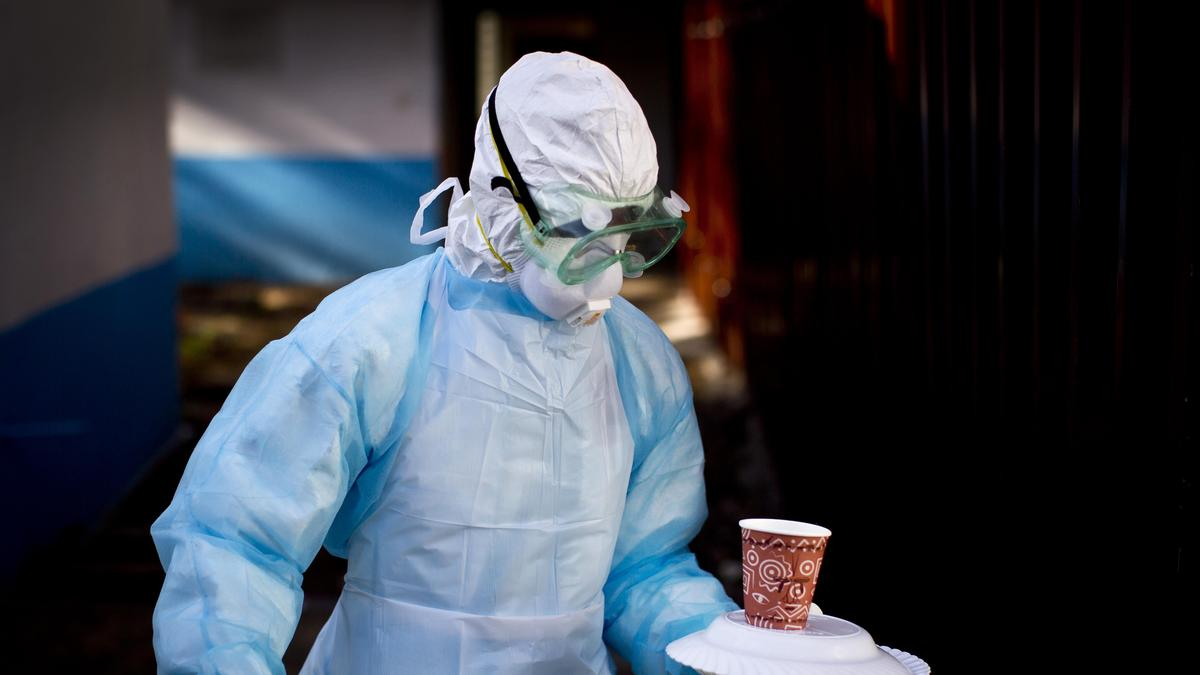
Kenya is being urged to tighten its public health systems after neighbouring Ethiopia confirmed an outbreak of Marburg virus disease in the town of Jinka.
The concern comes from the Kenya National Public Health Institute, which wants counties to act quickly and ensure they are fully prepared to deal with any possible threat.
Although the situation is currently in Ethiopia, Kenya’s close connections through travel, trade, and movement of people mean that the risk of the virus crossing the border remains real if strong measures are not taken.
The advisory was posted on Tuesday, 18 November 2025 and has triggered immediate discussions among health officials on how to strengthen readiness.
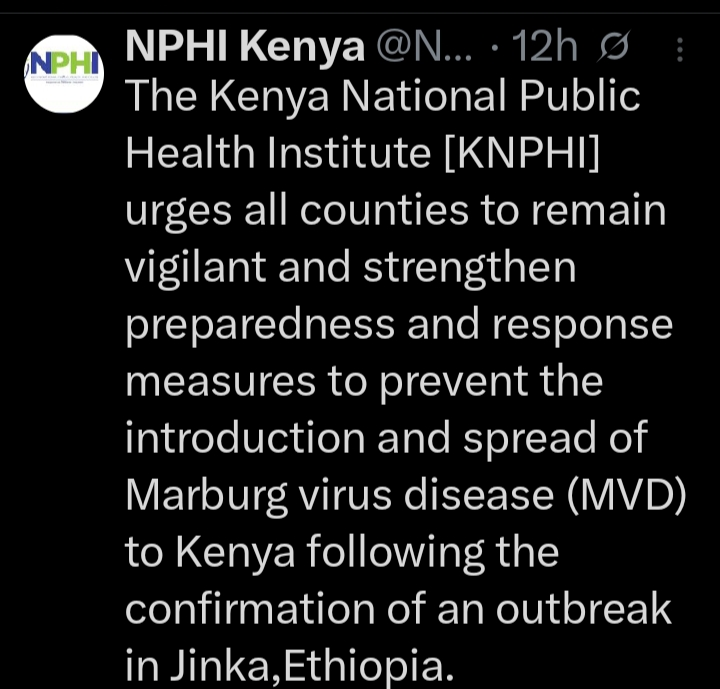
“The Kenya National Public Health Institute [KNPHI] urges all counties to remain vigilant and strengthen preparedness and response measures to prevent the introduction and spread of Marburg virus disease (MVD) to Kenya following the confirmation of an outbreak in Jinka, Ethiopia,” the statement read.
Ethiopia has already reported three deaths linked to the virus.
The Africa Centres for Disease Control and Prevention has raised the alarm by noting that the outbreak has reached epidemic levels.
Health experts also point out that the World Health Organization has classified the virus as part of the Filovirus family, the same group that includes Ebola, known for causing severe haemorrhagic fever.
The Marburg virus is extremely dangerous, with the potential to kill up to 90 per cent of those infected.
The virus is believed to spread from fruit bats to humans and later from person to person through direct contact with bodily fluids or contaminated surfaces.
Once exposed, symptoms begin with a high fever, severe headache, and muscle pain.
Within a few days, many patients experience bleeding, which is a major sign of the severity of the disease. Even though there is no approved vaccine or specific treatment available at this time, doctors say supportive care such as hydration and symptom management can help increase a patient’s chances of survival.
KNPHI Acting Director General Kamene Kimenye has warned that Kenya must not underestimate the risk.
She noted that because of strong ties with Ethiopia, counties should increase health surveillance, prepare isolation areas, and enforce strict infection prevention measures.

Counties have been asked to monitor health facilities, communities, and points of entry.
Health workers should actively search for possible cases and report them immediately through national disease tracking systems.
In addition, counties are expected to maintain functional isolation centres and create clear referral pathways in case suspected patients need urgent care.
Training staff to recognise symptoms of Marburg virus disease, manage patients safely, and protect themselves is also a high priority.
The advisory further stresses the importance of infection prevention and control protocols. These include proper use of personal protective equipment, handwashing, safe disposal of medical waste, and thorough cleaning of medical environments.
Laboratory samples must also be handled with extreme care and transported safely for testing.
Community involvement is another important part of the response. KNPHI wants local leaders and trusted community figures to share accurate information about the virus. People need to know how it spreads, how to protect themselves, and when to seek help.
For ordinary citizens, avoid contact with bodily fluids of infected people, wash hands frequently, avoid bushmeat such as bats and monkeys, and practise safe food preparation.
Safe burial practices are also essential, and only trained teams wearing protective gear should handle the bodies of those who die of suspected Marburg virus disease.
The outbreak in Ethiopia is not an isolated event. Similar cases have been recorded in several African countries, including Angola, the Democratic Republic of the Congo, Ghana, Kenya, Equatorial Guinea, Rwanda, South Africa, Tanzania, and Uganda.
Past outbreaks have shown that the best defence is quick action. Early detection and fast response can stop the virus from spreading across borders, making preparedness a crucial step for Kenya at this time.