
Kenya’s energy regulator has moved to calm fears about possible fuel shortages as tensions in the Middle East continue to affect global shipping routes.
The Energy and Petroleum Regulatory Authority, commonly known as Energy and Petroleum Regulatory Authority, says the country has enough fuel supplies and measures are already in place to prevent disruptions.
Officials say Kenya’s fuel supply remains protected under a government-to-government fuel import agreement between the Government of Kenya and Saudi Arabia.
The deal was introduced to stabilize fuel availability and help the country manage global market shocks that could affect supply.
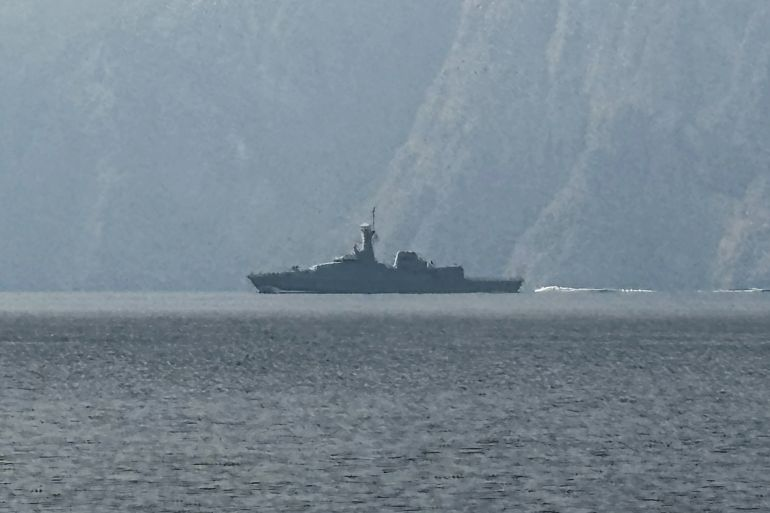
According to EPRA Director General Daniel Kiptoo, the authority is closely monitoring developments in global oil transport, especially after concerns about disruptions in the Strait of Hormuz.
The strategic waterway is one of the world’s most important shipping routes for oil, carrying a significant portion of global supply.
“We are following it daily with the suppliers of the country and as you may be aware these are traders in terms of the load ports that could change in the event there is a challenge at one port so then the closure or the challenge of the Strait may not necessarily apply to ourselves…working together with the suppliers we’re looking at different loading ports,” said Kiptoo.
The authority explained that fuel suppliers can adjust their loading ports if disruptions occur in one location. This flexibility means Kenya may still receive fuel shipments through alternative ports even if transport through the Strait becomes difficult.
EPRA also clarified that the current fuel prices in Kenya are not expected to be affected immediately by the ongoing developments in the Middle East.
The regulator noted that the country is still within the present fuel pricing cycle, which runs until the 9th of this month.
Officials say the next pricing review will only begin after the current cycle ends. At that time, EPRA will analyze global market data to determine prices for the following cycle.
Kiptoo said Kenya’s pricing system is based on a monthly structure that reflects fuel delivered earlier in the previous month.
Because of this approach, events currently taking place internationally are unlikely to influence the present fuel prices.
“As you may be aware, we price on an M-1 basis. The product that we are pricing today was delivered into the country between the 9th and the 10th of the preceding month. So, in the events that are currently occurring in the Middle East, we do not anticipate that that will have an impact in this current pricing cycle, but hopefully we will be able then to see the impact as we go ahead,” he said.
The regulator also confirmed that Kenya currently has enough fuel reserves to meet demand.
Additional cargo shipments are already scheduled to arrive later this month and continue into early April, which will further strengthen the country’s supply.
EPRA said it will keep monitoring the global situation closely and make adjustments where necessary.
The authority added that any future pricing decisions will aim to balance the interests of consumers while also supporting the government’s energy supply priorities.