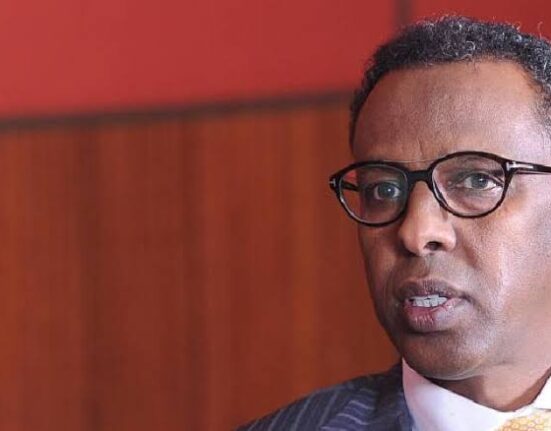

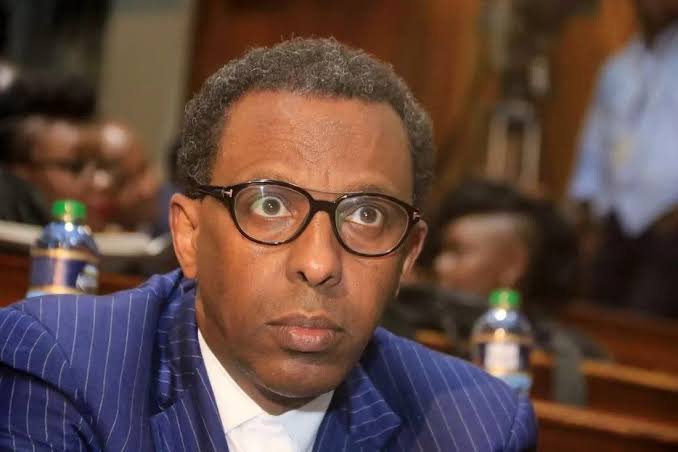
City lawyer Ahmednasir Abdullahi has expressed his approval of the ongoing recruitment of judges by the Judicial Service Commission (JSC), describing it as a commendable process that reflects genuine effort to restore integrity within the Judiciary.
In his statement, Ahmednasir praised the leadership of lawyers such as Nelson Havi, who have been actively involved in ensuring that the selection is transparent and accountable to the public. He pointed out that the participation of lawyers and citizens in auditing and questioning the process is a positive sign that could help rebuild public trust in the courts.
“The audit and robust engagement by lawyers led by Nelson Havi and members of the public in the ongoing recruitment for judges of the Court of Appeal is commendable,” Ahmednasir wrote.
However, he did not hold back from raising concerns over some of the individuals who have been shortlisted for appointment. He noted that among those listed are lawyers and judges he described as crooks and enablers of corruption.
According to him, this undermines the integrity of the Judiciary and threatens to erode public confidence if such individuals are allowed to ascend to higher judicial offices. He warned that Kenya cannot afford to have corrupt and incompetent individuals occupying positions that directly influence justice delivery.
“We can’t allow corrupt and incompetent judges and lawyers to join the Court. From the shortlisted ones, I see a few decorated crooks and those renowned for corruption,” he said.
Ahmednasir further stated that the legal community and the public have a duty to ensure that such individuals are held accountable and barred from joining the bench. He said that no matter how influential or well-connected they may be, those implicated in unethical conduct must not be allowed to serve as judges.
He insisted that if they somehow get through the process, legal measures should be pursued to ensure they face the consequences of their actions.
While supporting the general framework of the recruitment process, Ahmednasir questioned the exclusion of Justice Kanyi Kimondo from the shortlist. He expressed surprise that a candidate with strong academic credentials and a long record of service could be overlooked in favor of others with lower academic qualifications. He argued that such decisions raise questions about fairness and merit in the recruitment exercise.
He noted that Justice Kimondo graduated in the 1990s, topping his class of 250 students, which makes his omission even more puzzling. Ahmednasir said that overlooking such talent while promoting less qualified individuals sends the wrong message about the JSC’s standards and priorities.
He maintained that the commission must ensure merit and integrity are the guiding principles in selecting those who will serve in higher courts.