
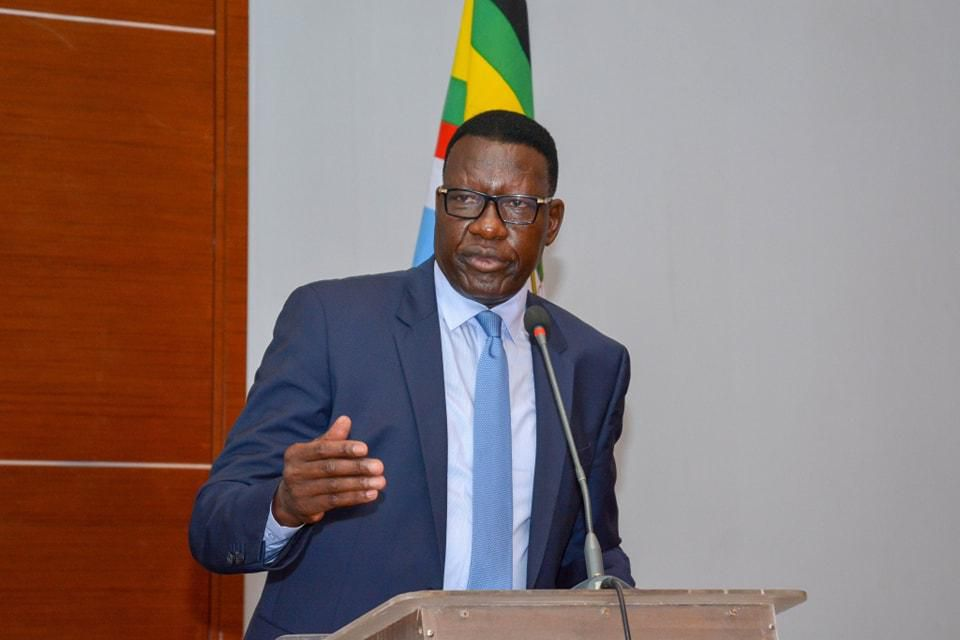
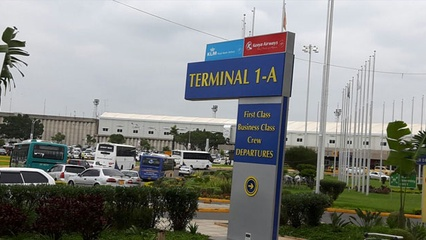
The long-awaited upgrade of Jomo Kenyatta International Airport (JKIA) is set to begin in June 2026, Transport Cabinet Secretary Davis Chirchir announced.
Preparations for the expansion are already advanced following the launch of the international bidding process last week.
CS Chirchir assured businesses operating around the airport that they will receive government support as the works commence.
He emphasized that the project aims to enhance passenger experience while modernising airport facilities.
The JKIA expansion follows a 20-year master plan set to run until 2045. The plan details phased infrastructure development, financial feasibility, and capital expenditure projections for the international airport.
Phase 1 will focus on upgrading existing infrastructure, including taxiways, terminal processing areas, landside access, and digital services.
These improvements aim to raise JKIA’s annual passenger capacity to 12 million within 18 months.
Phase 2 will focus on major expansion works, including a new 4,500-meter parallel runway and a 230,000 square-meter passenger terminal.
The new terminal will accommodate an additional 10 million passengers annually and feature a modern X-shaped design to improve circulation and service standards.
The two phases will be implemented concurrently, allowing the airport to remain operational throughout construction. Airlines and passengers are expected to experience minimal disruption during the upgrade period.
The JKIA expansion is the first infrastructure project to be financed under the National Infrastructure Fund (NIF).
President William Ruto confirmed that Ksh20 billion from the sale of the Kenya Pipeline Company (KPC) will serve as seed funding for the project.
CS Chirchir declined to disclose the total cost of the project, noting that procurement is still ongoing.
He highlighted that the government has already accounted for building material costs, including steel, in its budgeting process.
The expansion is expected to transform JKIA into a world-class airport, capable of handling growing passenger traffic and supporting Kenya’s ambitions as a regional aviation hub.
Stakeholders have expressed optimism that the project will boost economic growth and enhance Kenya’s global connectivity.





Leave feedback about this