
The medical team at Devamatha Hospital in Kochi, India, has confirmed that the late former Prime Minister Raila Odinga was battling several long-term health conditions before his death.
According to Dr Sister Alphons, a cardiologist at the hospital, Odinga had diabetes, hypertension, chronic kidney disease, and a right lower limb deep vein thrombosis (DVT) for which an IVC filter had been placed.
His health took a critical turn after he collapsed during his morning walk and could not be revived despite all efforts by doctors.
Dr Alphons explained that Odinga was rushed to the emergency unit at around 8:20 am Indian time after collapsing near an Ayurvedic hospital close to Devamatha Hospital.
His personal doctor and members of his security team had already started CPR before arrival. Upon reaching the hospital, the medical team continued with intensive resuscitation, performed emergency intubation to secure his airway, and transferred him to the intensive care unit with full medical support.
She noted that even after arrival, Odinga had no pulse or blood pressure that could be detected by touch.
After continued resuscitation, a brief rhythm appeared on the cardiac monitor, showing signs of a heart attack, including ST elevation on the ECG.
The team observed reduced movement in one part of his heart, which suggested that blood flow in that region had been affected. They stabilized him with intravenous fluids and administered a clot-dissolving drug, reteplase, in an attempt to clear any possible blockage in his coronary arteries.
Dr Alphons also revealed that Odinga’s right leg was swollen, and medical reports confirmed he had been living with chronic illnesses for some time.
She added that he had recently suffered a thin subdural hematoma, a condition involving bleeding under the skull, which had been reviewed by a neurosurgeon just days before his death.
After consultation with specialists, the team continued CPR and other advanced life support procedures for nearly two hours, from 8:00 am to 9:52 am, but all efforts were unsuccessful.
The cardiologist expressed her condolences to the Odinga family and to Kenyans, saying the hospital staff were deeply saddened by his passing. Following the confirmation of his death, President William Ruto announced a seven-day national mourning period in honour of the former Prime Minister.
During this time, the Kenyan flag will fly at half-mast across the country and in all embassies abroad.
President Ruto also declared that Odinga would be accorded a state funeral with full honours. He described him as one of Africa’s greatest leaders, a champion of democracy, and a symbol of hope and courage.
The President said that Odinga’s contribution to the nation would never be forgotten, calling him a patriot whose ideals went beyond politics.
Ruto also postponed all his public engagements as a mark of respect and directed that all senior government officials and diplomats refrain from flying the national flag on their official vehicles until Odinga’s burial.
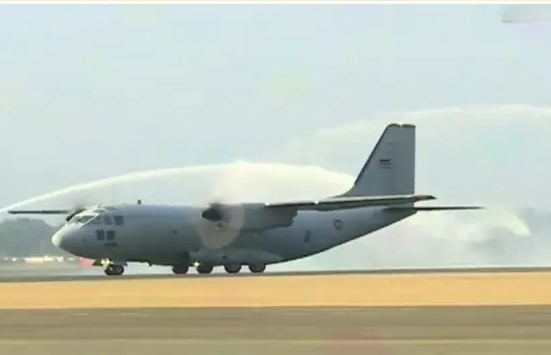
The Indian government has also pledged to support the repatriation of Odinga’s body to Kenya. Throughout his political career, Raila Odinga was known for his resilience and fight for democracy.
Detained several times during the Moi regime, he later became Prime Minister in the coalition government formed after the 2007 election crisis.
His influence shaped Kenya’s political history through decades of struggle, leadership, and reform.