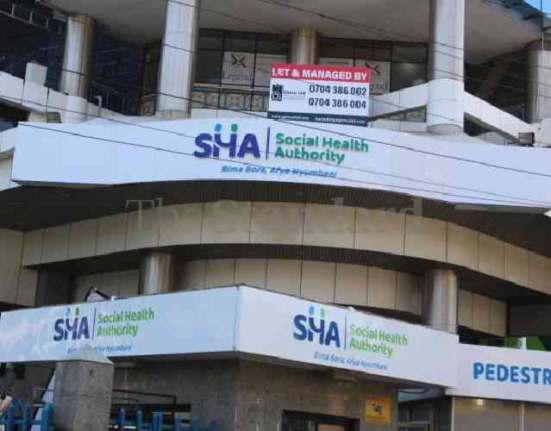

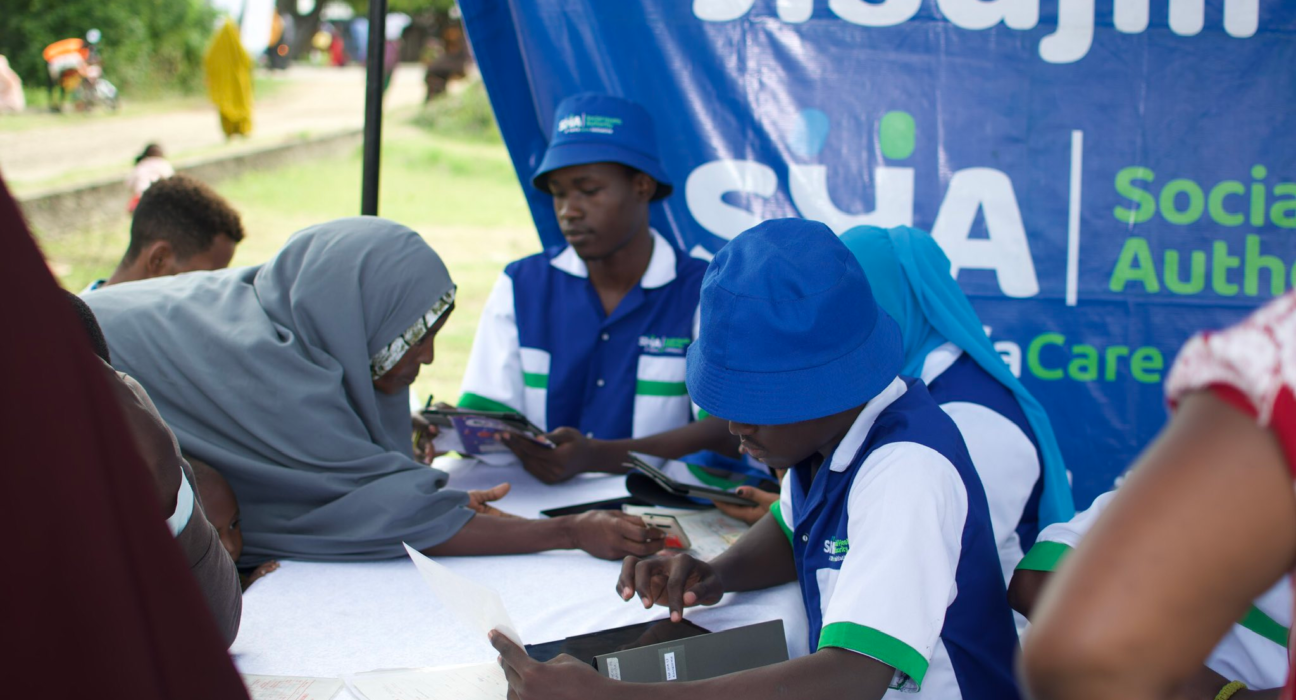
When the Social Health Insurance Fund was introduced, many Kenyans were told it would change the way healthcare is delivered and finally make universal health coverage a reality.
The promise was that no Kenyan would be locked out of treatment because of money.
But less than a year later, the situation looks very different, and many are now questioning if the plan can survive.
The fund has registered 26 million Kenyans, which is a big number, but only 4.5 million of them are actually contributing regularly.
This creates a big problem because health care cannot run on registration alone; it requires steady financing.
Each month, SHIF collects about Sh6 billion, yet hospitals submit claims worth Sh9 billion.
That shortfall of Sh3 billion every month has already left SHIF with unpaid bills of Sh43 billion in less than one year.
To see how big the problem is, the old NHIF needed almost fifty years to reach a Sh30 billion debt. SHIF has already gone beyond that in a matter of months.
The main weakness seems to be the way the fund collects money.
Almost all the burden falls on salaried workers, about 3.5 million people, who contribute through a compulsory 2.75 percent deduction from their pay.
This group provides 96 percent of SHIF’s revenue. On the other hand, millions of Kenyans in the informal sector have registered but rarely make any contributions.
With such imbalance, the fund was bound to face financial strain.
Confusion has also been caused by the way SHIF was presented to the public. Many leaders kept telling Kenyans to go to hospitals because treatment was free.
But in reality, health care is never free, and somebody has to pay for it. With many people not contributing and hospitals continuing to treat patients, the system is sinking deeper into debt.
The old NHIF, though far from perfect, had stricter rules. Members had to pay before they could get care, and contributions were simple and predictable, such as Sh500 each month or Sh6,000 per year.
That model helped in keeping a balance, even if slowly.
Analysts now suggest that SHIF needs to stop focusing only on registration and instead push for actual contributions.
The informal economy, which is the largest in Kenya, must be part of the solution.
Some ideas include linking SHIF payments to essential services like business permits or even adding a small levy on widely used goods, with the money set aside strictly for health care.
If such measures are not taken, the risk is clear. SHIF may collapse under its growing debts, leaving many Kenyans stuck in hospitals without help and questioning what happened to the promise of affordable health for all.
The big question is whether reforms will come soon enough to save the fund or whether it will become another failed experiment in the search for universal health coverage.