
Concerns raised by foreign governments over Tanzania’s recent election turmoil have continued to attract global attention, with a new joint statement calling for accountability and respect for human rights.
The message from the United Kingdom, Canada, Norway and 13 other European nations paints a troubling picture of what followed the country’s elections, pointing to deadly violence, disappearances and a pattern of violations that has alarmed the international community. Their statement, endorsed by several high commissions and embassies, noted that they “deeply regret” the loss of lives and injuries reported in the post-election period.
The countries reminded Tanzania of previous reactions from global leaders, including remarks by the EU High Representative on November 2, 2025, and a joint statement issued on October 31 by the Foreign Ministers of Canada, Norway and the UK.
These earlier concerns centred on the conduct of the polls and the wave of crackdowns that followed.
With this new communication, the group stated that various organisations, both domestic and international, have submitted credible reports pointing to extrajudicial killings, disappearances, arbitrary arrests and the concealment of bodies.
In the joint statement, they said, “We recall the government’s desire for peace and stability, and underline the importance of security forces acting with maximum restraint.”
They went on to stress that the government must uphold its international commitments, especially those connected to protecting freedom of expression, access to information and the constitutional rights of all Tanzanians.
The group urged Tanzanian authorities to release the bodies of the victims to their families, free all political prisoners and guarantee legal and medical support to detainees who remain in custody.
Another key part of the statement involved the recommendations made by the African Union and the Southern African Development Community.
Their preliminary election reports outlined “clear shortcomings” in the electoral process, and the foreign missions pressed the Tanzanian government to implement those suggestions without delay.
They added that they “welcome the government’s recognition that understanding the root causes and circumstances of the violence including deaths is a vital step towards justice and reconciliation.”
The countries further insisted that any inquiry should be independent, transparent and inclusive, allowing civil society, faith groups and political actors to fully participate.
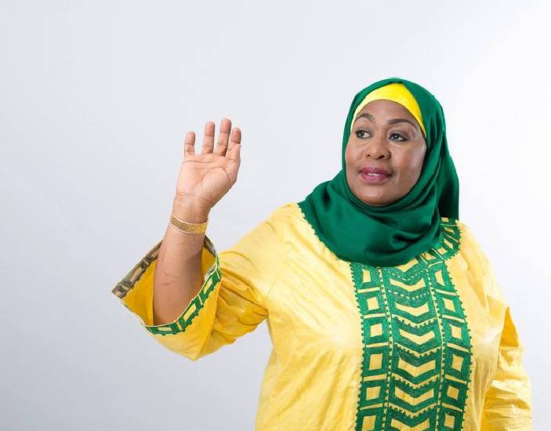
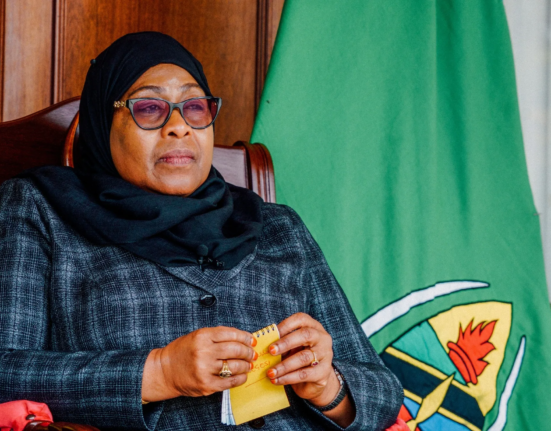
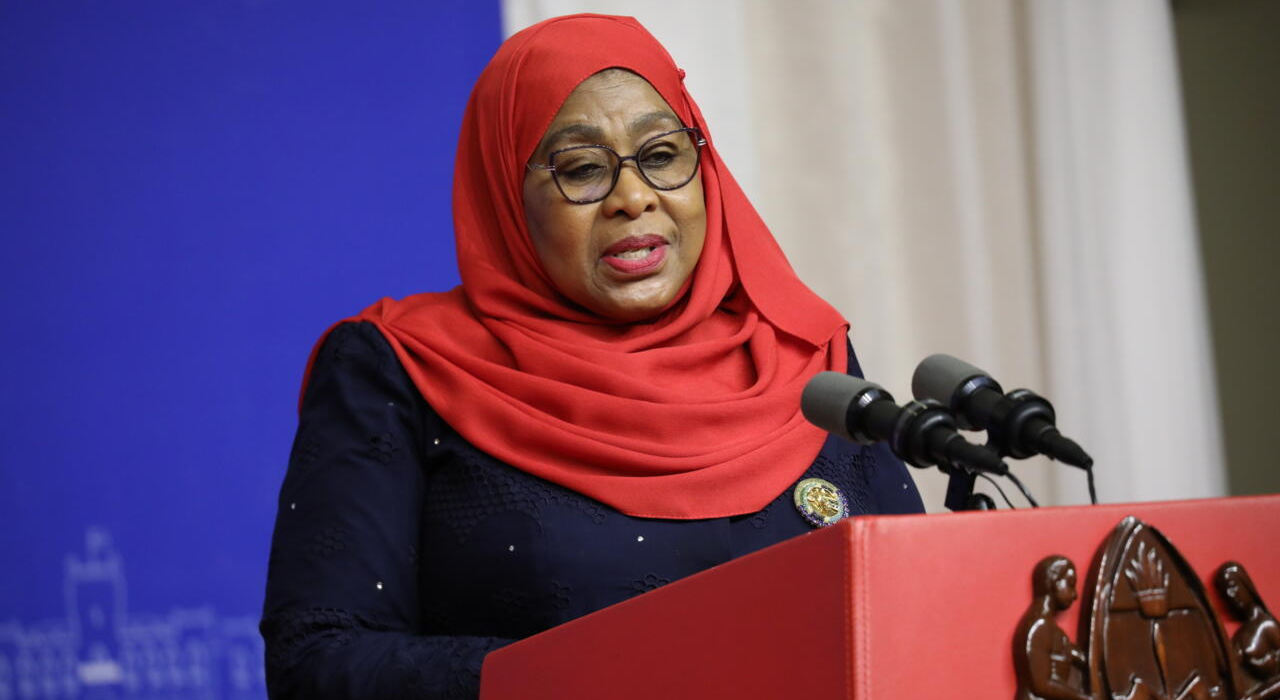
This push from foreign governments arrived shortly after Tanzania’s President Samia Suluhu delivered a firm message regarding the unrest. She argued that the chaos seen on election day was driven by foreign actors attempting to destabilize the country.
According to her, outsiders “have been irritated by Tanzania’s stability” and came “to destroy this country after destroying their own.”
She emphasized that Tanzania’s long history of peace appears to unsettle those who wish to undermine it.
Even as she defended the country’s stability, President Samia also extended condolences to families who lost their loved ones during the clashes.
She reminded citizens that “when one Tanzanian sheds blood, we all feel the pain,” signaling both sympathy and a call for unity as the nation continues to confront the aftermath of the election.